A surprising number of people can remember the first time something felt slightly unusual with their health or body, even if they did not think much of it at the time. It was not always pain. Sometimes it was getting tired sooner than usual. Sometimes it was feeling short of breath during a walk that never used to feel difficult. For others, it was a strange heaviness in the chest that appeared for a few minutes and then disappeared.
The problem is that these changes often look harmless in the initial stages. Most people connect them to stress, poor sleep, work pressure, or simply getting older. Life stays busy, so the symptom gets ignored and forgotten. Then it happens again.
That is why understanding heart disease symptoms is important. The body often gives repeated signals when something needs attention. Not every symptom points to a serious condition, but ignoring the same warning signs again and again is never a good idea.
In this blog, we will look at five symptoms that deserve attention and understand why recognising them early can support better heart health.
Why People Often Miss Early Heart Warning Signs
One of the reasons heart-related symptoms get overlooked is that they do not always arrive all at once.
A person may feel more tired than usual for a few weeks and think nothing of it. Someone else may notice they are breathing harder during everyday activities but assume they are out of good health. Another person may experience chest discomfort once, feel fine the next day, and decide it was probably nothing.
That is why recurring heart disease symptoms deserve attention. When the same signal keeps showing up, it is worth understanding why.
1. A Feeling of Pressure in the Chest That Keeps Returning
When people talk about heart problems, chest pain usually gets all the attention. Real life is often less straightforward than that.
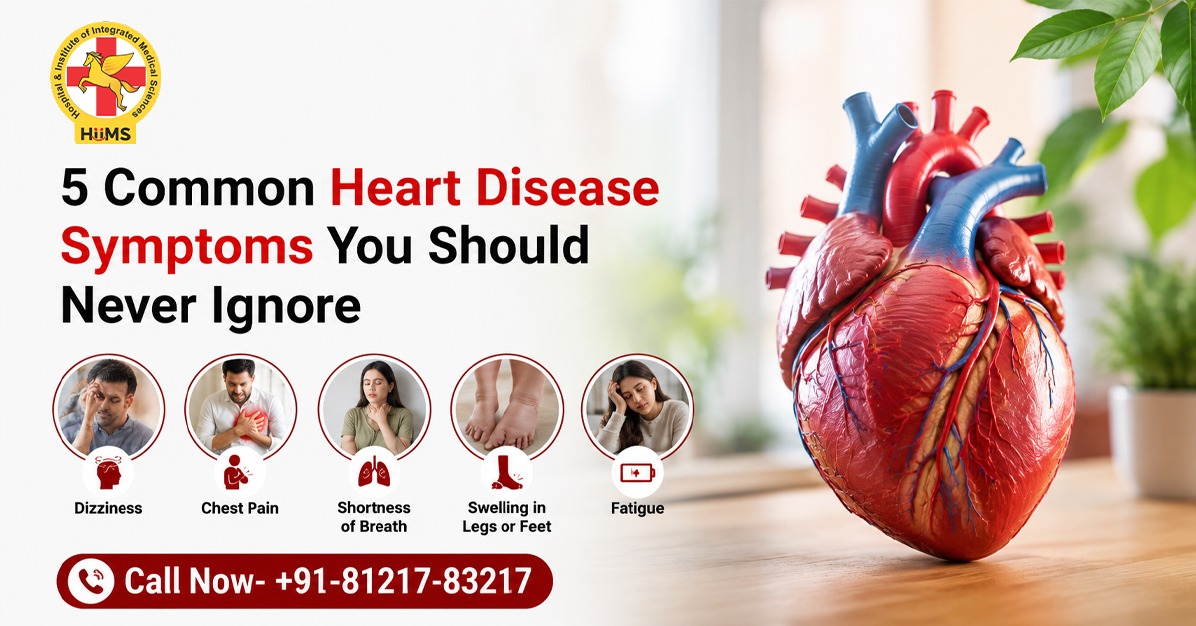
For many people, it does not feel like sharp pain at all. It can feel like pressure. A heaviness, a tight sensation that appears during a walk, while climbing stairs, or even while sitting quietly.
Some people describe it as if something is resting on the chest. Others feel discomfort moving towards the shoulder, arm, neck, or jaw.
If the feeling keeps returning, especially during activity, it deserves attention. A symptom that appears once may mean very little. A symptom that keeps coming back is different.
2. Getting Out of Breath More Easily Than Before
Most people know their own body better than they realize. They know how they normally feel after walking to the market. They know how many stairs they can climb comfortably. They know what a usual day feels like.
A person may notice they are stopping halfway through activities they once completed without thinking. They may find themselves pausing at the top of the stairs or needing a few extra moments to catch their breath.
This is one reason regular heart health management becomes important, especially for people already living with risk factors such as high blood pressure or diabetes.
3. Feeling Tired for No Clear Reason
A person may notice they are reaching the evening feeling unusually drained. Tasks that once felt easy begin feeling slightly heavier. Nothing major happens. It is simply a feeling that something has changed.
Because fatigue develops slowly, people often adapt to it without noticing how much their daily energy has changed.
Among all heart disease symptoms, this is probably one of the easiest to overlook because it does not feel urgent. Yet it is often one of the symptoms people remember noticing when they look back later.
4. When Your Heartbeat Starts Feeling Different
Most of the time, nobody thinks about their heartbeat. Then one day it becomes noticeable. Maybe it feels unusually fast. Maybe it feels as though a beat has been skipped.
The sensation may last only a few seconds before disappearing again. That is why people often convince themselves it is nothing. Sometimes it is nothing. Stress, caffeine, anxiety, and poor sleep can all affect the way the heart feels.
A consultation with the best heart doctor can help determine whether the rhythm change is harmless or whether it requires further investigation. Understanding the cause early is always better than assuming it.
5. Swelling Around the Feet and Ankles
This symptom surprises many people because it does not immediately seem connected to the heart.
Someone notices their shoes feel tighter in the evening. Another person sees slight swelling around the ankles after a normal day. At first, it is easy to point to the weather, long working hours, or standing too much.
Sometimes those explanations are correct. But when circulation is not working efficiently, fluid can sometimes collect in the lower parts of the body. That is why recurring swelling should never be dismissed without understanding the reason behind it.
Looking Beyond Symptoms: A Holistic Approach to Heart Health
Supporting Heart Health Through Ayurveda and Lifestyle Changes
When people think about heart care, they often think only about treatment. But changing and adopting a healthy lifestyle is also important.
Daily habits influence the heart every single day. Food choices, activity levels, sleep patterns, stress levels, and routine all play a role.
Ayurveda takes this more holistic view and focuses on creating balance rather than looking at a symptom in its entirety. Practices such as yoga, mindful breathing, healthy eating habits, and regular daily routines may support overall well-being alongside medical care.
Ayurvedic Therapies That May Support Heart Wellness
At Jeena Sikho HiiMS, therapies such as Panchakarma and Hridaya Basti may be included as part of an individualized wellness approach under professional supervision.
Natural Support for Heart Blockage Treatment
Discussions around heart blockage treatment often focus on procedures and medications, but lifestyle remains an important part of the scenario.
Healthy food choices, regular movement, stress management, and professional guidance can all contribute to long-term heart wellness.
Why Choosing the Right Heart Care Team and Hospital is Important
Many people delay seeking help because they are unsure where to start. The right guidance can make that decision easier. The best heart hospital does more than provide tests. It helps people understand what their symptoms mean and what steps should come next.
At Jeena Sikho HiiMS, the focus is on combining modern evaluation with Ayurvedic principles to support personalised heart disease treatment and overall wellness. The goal is not only to address current concerns but also to help people build healthier habits for the future.
Conclusion
The body hardly ever changes without giving some kind of signal first. Sometimes that signal is chest discomfort. Sometimes it is breathlessness, fatigue, swelling, or a heartbeat that suddenly feels different.
These signs may seem small when viewed one at a time. The picture becomes clearer when they keep returning.
Understanding heart disease symptoms is not about worrying over every ache or discomfort. It is about recognising patterns and knowing when it is time to seek guidance.
If you are noticing changes that do not feel normal, consider speaking with a healthcare professional. You can also opt for an online video consultation (VOPD) with the expert doctors at Jeena Sikho HiiMS for personalised support and guidance.

FAQs
1. What are the most common heart disease symptoms?
Chest discomfort, breathlessness, unusual fatigue, irregular heartbeat, and swelling in the legs or ankles are among the commonly reported symptoms.
2. Can heart disease develop without severe chest pain?
Some people first notice fatigue, breathlessness, or palpitations rather than significant chest pain.
3. When should I consult the best heart doctor?
Recurring, worsening, or unexplained symptoms should be discussed with a qualified heart specialist.
4. Can lifestyle changes support heart health management?
Healthy eating, regular activity, stress management, and proper sleep can contribute to long-term heart wellness.
5. What options are available for heart disease treatment and heart blockage treatment?
Treatment depends on the individual's condition and may include medical care, lifestyle changes, monitoring, and supportive wellness approaches.