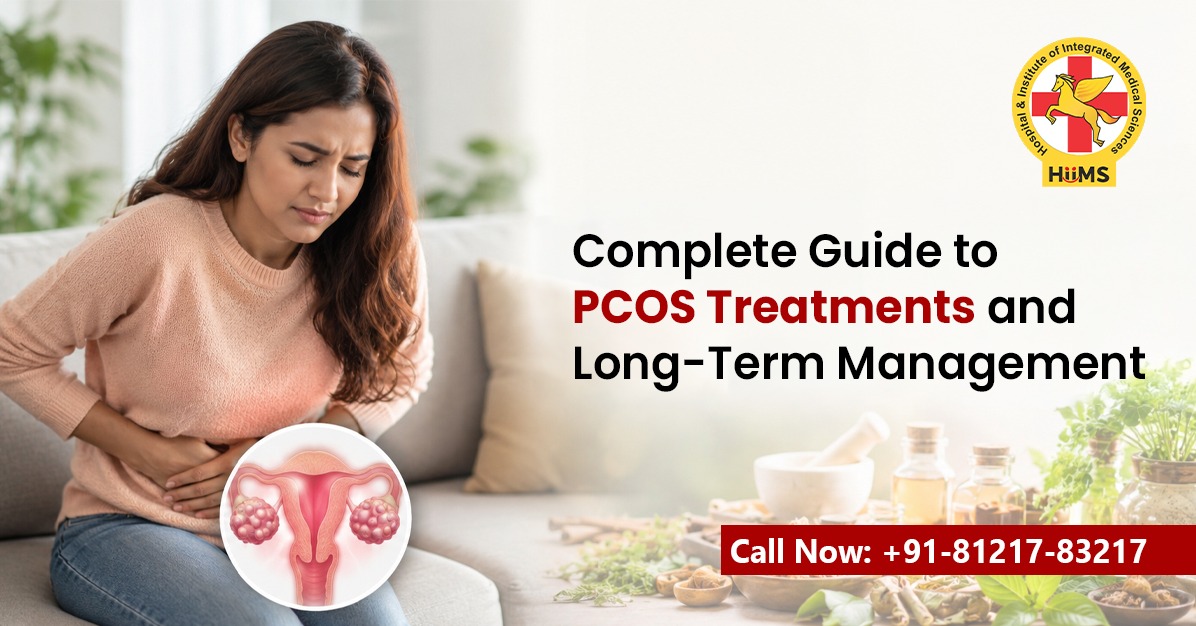
Unusual menstruation cycles, unexplained weight gain, persistent acne problems, and facial hair growth are just some of the typical problems that make several women realize that they suffer from Polycystic Ovary Syndrome (PCOS). One of the most frequently occurring hormonal disorders amongst reproductive-aged women, it might show different symptoms and cause various complications. Therefore, choosing PCOS treatments can sometimes turn out to be quite challenging.
Medication is usually used for treating specific problems, and, nevertheless, long-term positive results depend on maintaining proper lifestyle practices too. Being aware of what causes PCOS, maintaining a PCOS diet, regularly exercising, and minimising stress levels are some of the effective practices in managing the syndrome. From the perspective of Ayurveda, a holistic approach is used, which implies paying attention to body balance and personalised lifestyle practices.
What is PCOS?
Polycystic ovary syndrome is a disorder which involves the hormones and the metabolic functioning of the body. It can cause problems related to the process of ovulation and lead to issues such as irregular menstruation.
Symptoms for each sufferer differ as well; one woman might have trouble only with her menstruation, while the other may experience problems with weight or hair growth. That is why the treatment plan is customised for each patient.
Common Symptoms of PCOS
The symptoms of PCOS could manifest slowly and differ from one woman to another. Some of the symptoms are:
Periods that are irregular or skipped
Weight gain or inability to lose weight
Acne or greasy skin
Hirsutism (facial and/or body hair)
Hair loss or thinning
Dark patches on the back of the neck or armpits
Infertility
Fatigue or low energy levels
If you are having any number of these symptoms, you need to see your health care provider.
Why Are PCOS Treatments Different for Every Woman?
There is no universal treatment, as PCOS affects women differently. Suitable PCOS treatments are based on various criteria, such as symptoms, age, general health condition, and intention to become pregnant.
Medicine may advise you to make certain adjustments to your lifestyle as the primary step in case medicine becomes necessary for PCOS treatment; it can be recommended to help:
Normalize menstruation cycles
Increase sensitivity to insulin
Treat acne
Decrease excessive hairiness
Encourage pregnancy where possible
These kinds of treatments deal with specific symptoms and, besides that, include long-term lifestyle corrections.
In Ayurveda, it is believed that all women have their own Prakriti (body constitution). The approach of Ayurveda does not involve similar treatment for all patients but rather aims at restoring balance in their bodies, improving digestion, hormone health, and daily habits.
What Causes PCOS?
Many women wonder what causes PCOS, especially because symptoms may return if healthy habits are not maintained.
According to the modern system of medicine, the development of PCOS is caused by different factors, such as:
Hormonal imbalance
Insulin resistance
Genetics or family history
Obesity
Stress
Poor sleep
Inactivity
All of these factors might have an impact on the production of hormones and metabolic processes, leading to the occurrence of PCOS.
According to the principles of Ayurveda, PCOS occurs due to the disruption of the natural balance in the body. Problems in digestion, bad nutrition, stressful life, poor routine, and an inactive lifestyle might slowly lead to metabolic disorders and problems with hormones. Unlike conventional medicine that focuses only on the symptoms, Ayurveda concentrates on digestion, routine, sleep, stress, and the condition of a person's health to develop a personalised treatment program.
Such an approach helps many women create healthy habits for life.
Common PCOS Treatments
Treatment plans are usually designed according to an individual's symptoms and health goals.
Lifestyle Changes
A healthy lifestyle is seen as one of the most important factors of PCOS management. This involves:
Keeping your body at an ideal weight
Performing regular physical activities
Eating healthy foods
Reducing stress levels
Having adequate sleep
Being physically active throughout the day
Medical Management
Depending on personal requirements, the doctors might prescribe medications to
Regularize the menstrual cycles
Increase insulin sensitivity
Control acne eruptions
Decrease unwanted hair growth
Promote fertility, if required
The best medication for a particular person must be prescribed after proper consultations with an experienced doctor.
How Can a PCOS Diet Support Long-Term Management?
A balanced PCOS diet plays an important role in supporting hormonal and metabolic health. The selection of nutritious foods can ensure stable energy production, proper body weight, and well-being.
A diet for PCOS can be comprised of:
Whole grains instead of refined carbs
Fresh vegetables, particularly leafy greens
Fruits, especially those that are seasonal
Legumes and other sources of protein
Nuts and seeds
Healthy fats obtained from foods like nuts, seeds, and avocados
Foods to Limit
There are some foods that should be consumed in moderation, like:
Sugary beverages
Packaged snacks
Refined flour foods
Fried foods
Too many sweets
Processed packaged foods
As per the guidelines of Ayurveda, the food consumption is tailored to the strength of digestion (Agni) and body type of the person.
Healthy Lifestyle Habits That May Support PCOS Management
In addition to a proper diet, there are some easy-to-do things which help in leading a healthy life.
They are:
Walking or exercising.
Doing Yoga.
Meditation and breathing exercises.
Managing stress.
Proper meal schedule.
Getting proper sleep of 7 to 8 hours.
Drinking enough water.
Experts generally recommend at least 150 minutes of moderate physical activity each week. Even a brisk walk or yoga session can become part of a healthy routine.
How Does Ayurveda Complement PCOS Treatments?
In many cases, women opt for Ayurveda in addition to conventional treatment methods because Ayurveda pays attention to making changes to one’s lifestyle in the long run and not just treating particular symptoms.
An Ayurvedic doctor can assess a patient based on the following criteria:
Body Constitution (Prakriti)
Digestion (Agni)
Daily routine
Activity level
Such an assessment will be the basis for designing a personalised routine including diet tips, herbs, yoga practice, pranayama, and even Panchakarma, if necessary.
The individuality of each woman’s body constitution is another feature of Ayurveda, which means that two patients having PCOS will receive different suggestions on their diet and other lifestyle changes.
In the case of the PCOS treatment at Jeena Sikho HiiMS Dera Bassi, we follow an integrative approach in accordance with Ayurveda principles. Based on the consultation, qualified Ayurvedic specialists develop a personalised plan aimed at balancing diet, lifestyle, stress levels, and hormones.
When Should You Consult a Healthcare Professional?
Medical consultation is required if you have:
Irregular or missed periods.
Trouble getting pregnant.
Acne that won't go away.
Unexplained or sudden weight gain.
Excessive hair growth on your face and body.
Discomforting symptoms affecting your daily activities.
Early diagnosis can help detect the cause and manage the problem.
Conclusion
Management of PCOS becomes a long-term effort rather than a short-term one. PCOS treatments that work include a healthy diet, exercise, stress relief measures, sleep, and customised medical advice. Customized PCOS diet and lifestyle practices can contribute to the well-being of hormonal and metabolic systems in the long run.
Ayurveda adds to this concept with personalised body constitution and digestion as well as sustainable lifestyle practices. If you wish to receive professional assistance, Jeena Sikho HiiMS Derabassi will help you consult professional Ayurvedic practitioners who will help you identify your body constitution and suggest appropriate lifestyle and dietary practices along with medical treatment.
For more information, you can contact us and get your VOPD consultation or email care@jeenasikho.com.

FAQs
1. What are common PCOS treatments?
Common PCOS treatments include making healthy lifestyle changes, having a well-balanced PCOS diet, being physically active, and taking PCOS medicines prescribed by your doctor according to specific symptoms. There is also the choice of Ayurvedic treatment for PCOS.
2. What is the cause of PCOS?
The cause of PCOS consists of hormonal imbalance, insulin resistance, genetic inheritance, and unhealthy lifestyle habits.
3. Is a PCOS diet helpful at all?
Adhering to a PCOS diet may be very helpful in maintaining healthy blood sugar levels, keeping your weight normal and promoting hormonal health. The PCOS diet is an essential component of PCOS treatment.
4. Does Ayurveda have any role in the management of PCOS?
According to Ayurveda, there is a focus on individualized diets, lifestyles, stress reduction, yoga, and other therapies suggested by an Ayurveda practitioner.
5. Does weight management have a role in managing PCOS?
It is believed that a healthy weight with a healthy diet and exercise will help hormonal balance in patients with PCOS.