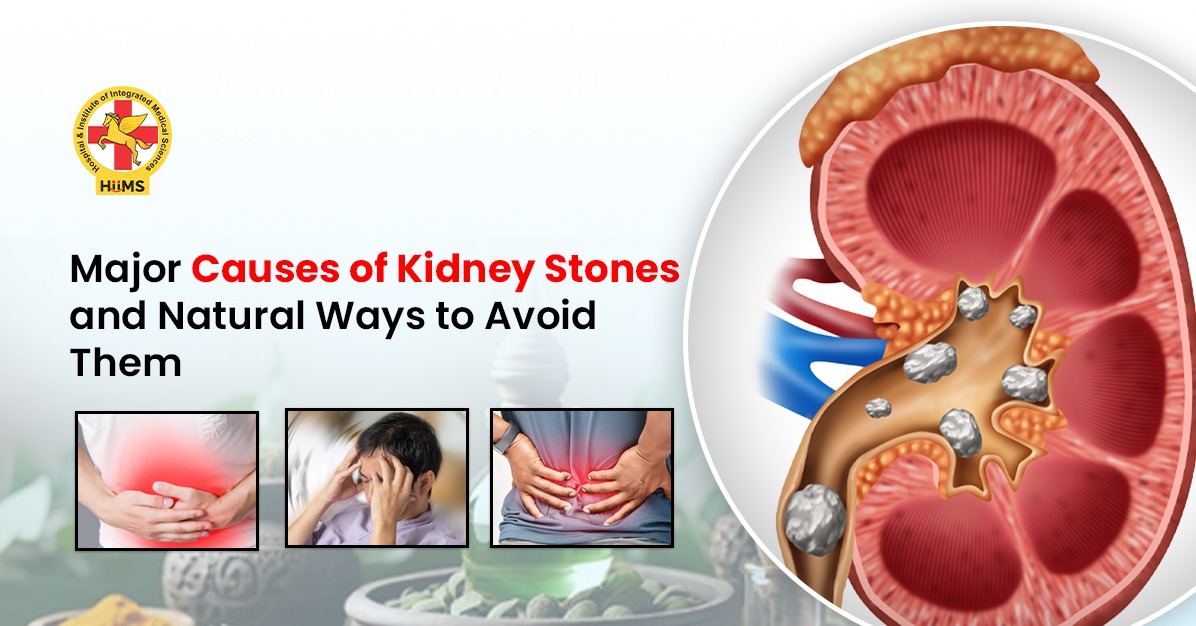
Kidney stones represent one of the most prevalent health issues that could lead to discomfort and severe pain. These are small, hard deposits that develop within the kidneys when minerals and salts contained in the urine begin to crystallize and stick together. In other instances, the kidney stones are small and can easily pass through the urine. Nevertheless, bigger stones can obstruct the urinary tract and need adequate kidney disease treatment.
Kidney stones are common among many people at least once in their life. Understanding the causes of kidney stones, early symptoms, and natural ways to prevent them can help reduce the risk of developing this painful condition.
The key kidney stone causes, symptoms, treatment for kidney stones, and natural approaches to kidney stone removal that can be used to prevent kidney stones will be discussed in this blog.
What Are Kidney Stones?
Kidney stones are hard objects that are made of minerals and salts inside the kidneys. They are generally formed when the urine is very concentrated and minerals like calcium, oxalates, and uric acid form crystals.
The crystals can form into stones that differ in size. There are those stones as tiny as grains of sand, and those stones might become large enough to even block the urinary passage.
Major Causes of Kidney Stones
Kidney stones can be formed due to a number of factors. The kidney stone causes are mostly popular and include:
Dehydration
One of the most usual causes of kidney stones is not taking sufficient water. The absence of enough fluids in the body causes the urine to become concentrated, and crystals of minerals may begin to develop.
High Oxalate Diet
Foods that contain oxalates in large amounts may predispose to kidney stones. They can be spinach, chocolate, beets, and nuts.
Excess Salt Intake
Excessive salt intake can elevate calcium in the urine, which can cause the formation of stones.
High-Protein Diet
High-protein diets rich in animal protein can elevate the level of uric acid and cause kidney stones.
Family History
Individuals whose family has a history of kidney stones are at risk of developing the condition.
Obesity and Lifestyle Factors.
Overweight, sedentary lifestyle habits, and unhealthy food habits can also contribute to kidney stones.
Symptoms of Kidney Stones
In the initial stages, kidney stones do not necessarily result in symptoms. Nevertheless, in case a stone drains to the urinary tract, it can cause observable effects.
The most frequent symptoms of kidney stones are:
Lower back or lateral pain of a severe nature.
Pain during urination
Blood in urine
Nausea and vomiting
Frequent urge to urinate
In case of such symptoms, it is better to consult a kidney doctor.
Treatment for Kidney Stones
Treatment for kidney stones is determined by the size and the location of the stone.
1. Small Kidney Stones
Small stones can be excreted through urine through increased intake of fluids and use of drugs prescribed by a physician.
2. Ayurvedic Treatment of kidney stones
Ayurveda is known to relate kidney stones with an imbalance in doshas of the body and the presence of toxins. The Ayurvedic therapy aims at enhancing digestion, cleansing and proper urinary flow. In addition to Ayurvedic remedies and healthier lifestyle habits, some hospitals also use holistic methods to support kidney care. At Jeena Sikho HiiMS, Derabassi, the treatment approach focuses on the natural therapies that help to improve the kidney function while supporting the body’s natural healing ability.
The care plan may involve therapies like Hot Water Immersion (HWI), Head Down Tilt (HDT) therapy, and a plant-based DIP diet. These methods are used to improve circulation, assist detoxification, and help the kidneys work more efficiently.
By combining proper diet, detox therapies, and lifestyle guidance, the approach aims to support kidney health while helping reduce the chances of kidney stones forming again.
Ayurvedic methods could encompass:
Herbal support
Detox therapies
Dietary corrections
Lifestyle changes
Some of the herbs that have been used within Ayurveda are thought to aid in the maintenance of the urinary system and can be used in kidney disease treatment.
Kidney Stone Prevention in Natural Ways
Kidney stones can be prevented by relatively easy lifestyle and diet modifications.
Drink Enough Water
Being hydrated aids in the dilution of minerals in the urine and minimises the risks of developing stones.
Reduce Salt Intake
A diet that is low in sodium will help decrease the calcium within the urine.
Eat Balanced Diet
Eat fruits, vegetables, and high fibre foods.
Maintain Healthy Weight
Kidney stones can be minimised by engaging in regular exercise and having a healthy weight.
Limit Oxalate-Rich Foods
Individuals who are susceptible to kidney stones can control the consumption of foods rich in oxalates.
Kidney Cleaning and Lifestyle Support
Other individuals also pay attention to natural treatments like kidney cleanse routines that might involve taking more water, eating fresh fruits and vegetables, and having a balanced diet.
Supportive care can be offered to kidney health using herbal beverages and traditional remedies. Nevertheless, medical consultation should be sought before adopting any new remedy or treatment.
When To See A Kidney Doctor
You must see a doctor of kidneys when you have:
Pain in the back that is severe or chronic.
Blood in urine
Fever with urinary pain
Difficulty passing urine
Timely diagnosis may be used in preventing complications and aiding in the kidney disease treatment.
Conclusion
Kidney stones can be painful, but understanding the causes of kidney stones and taking preventive steps can help reduce the risk of developing them. Proper lifestyle habits, a healthy diet, and hydration could help keep the kidneys healthy.
In other cases, proper diagnosis and treatment can be made possible through medical treatment or professional advice from a kidney hospital or specialist. You can contact Jeena Sikho HiiMS at +91 82704 82704 or care@jeenasikho.com to obtain more information or consultation.
FAQs
1. What are the main causes of kidney stones?
Typical causes are dehydration, excess salt, excessive oxalate food, obesity, and family history.
2. Are kidney stones self-limiting?
Small kidney stones can be passed naturally in the urine with adequate hydration and physician care.
3. Which foods prevent kidney stones?
Eating fruits, vegetables, and fiber and a limited amount of salt can help to prevent the occurrence of kidney stones.
4. What are the natural ways to prevent kidney diseases?
Kidney health may be assisted through sufficient water consumption, balanced diets, and exercise.
5. When do I need to visit a kidney doctor?
You are advised to visit a doctor in case of severe pains, blood in the urine, or inability to urinate.