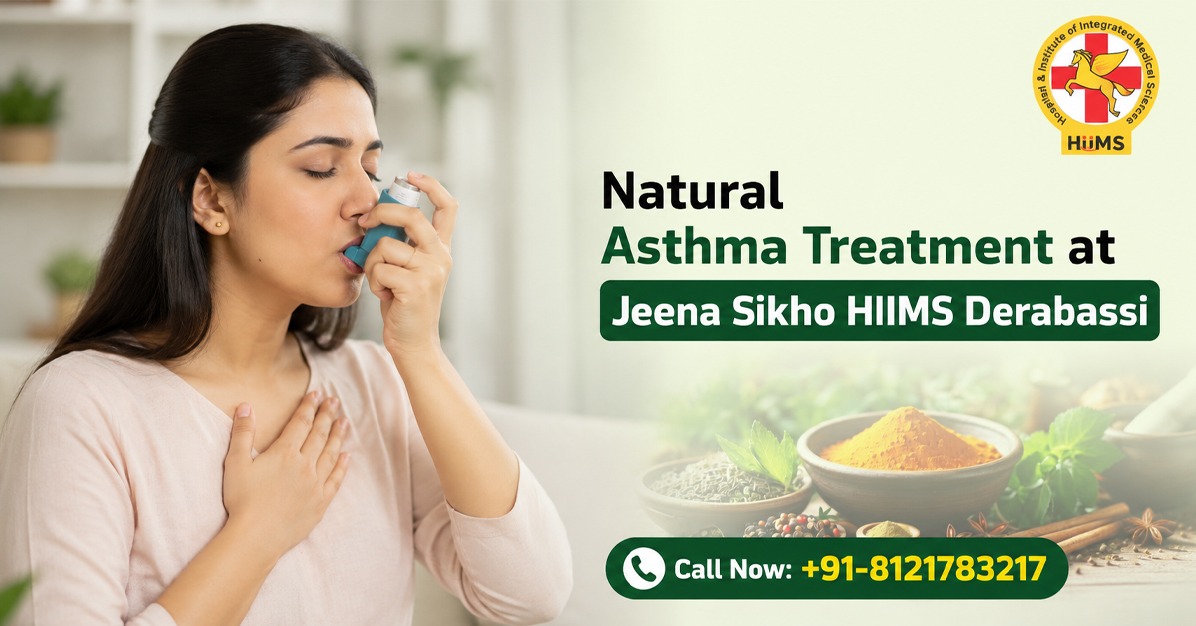
Breathing should feel natural, but for people living with asthma, even normal moments sometimes become uncomfortable. A little dust in the room, sudden weather change, climbing stairs too fast, or even stress after a long day can suddenly make the chest feel tight. Some people wake up at night coughing. Others keep inhalers nearby all the time because they never know when symptoms might return.
That’s why proper asthma treatment matters. Asthma is not only about breathing difficulty. Slowly but surely, it can affect sleep, energy levels, concentration, self-confidence, and overall well-being as well. The constant experience of breathing difficulties tends to cause physical and psychological exhaustion in some period of time.
At Jeena Sikho HiiMS Derabassi, we are aware of the fact that each asthma patient has a unique experience. For example, some suffer from seasonal symptoms. Some deal with repeated coughing. Others feel nervous because of sudden breathing discomfort during an asthma attack. Supportive Ayurvedic care focuses on helping the body regain better balance naturally while improving respiratory comfort step by step.
What Actually Happens During Asthma?
Asthma is a condition where the airways inside the lungs become sensitive and narrow. Because of this narrowing, breathing starts feeling uncomfortable, especially during triggers.
Sometimes symptoms stay mild for weeks. Then suddenly they become intense. Honestly, this unpredictability frustrates many people more than the condition itself. Common symptoms include:
Wheezing sound while breathing
Tightness around the chest
Dry coughing at night
Breathlessness after small effort
Difficulty sleeping properly
Feeling tired because breathing feels heavy
Many people ignore early warning signs for years. Later, breathing discomfort starts affecting daily routine more seriously.
Understanding Asthma Causes from an Ayurvedic View
According to Ayurveda, breathing discomfort is connected with imbalance in Kapha and Vata doshas. According to the Indian traditional Ayurvedic approach, Kapha relates to moisture and heaviness, and Vata regulates mobility and breaths.
When digestion becomes weak and toxins slowly collect inside the body, excess Kapha may block respiratory pathways. Disturbed Vata then affects smooth breathing. This explains why certain Asthma causes keep repeating in the modern lifestyle too. Things that commonly trigger symptoms include:
Dust and pollution
Air filled with smoke, pollutants, or dust can easily irritate sensitive airways.
Cold foods and drinks
Cold beverages and heavy food sometimes increase mucus and chest congestion.
Stress and disturbed sleep
Emotional stress affects breathing patterns much more than people expect.
Weather change
Sudden cold air or humidity changes can trigger breathing difficulty in many people.
Poor digestion
Weak digestion is often overlooked, but Ayurveda connects it strongly with respiratory imbalance.
Why Long-Term Asthma Relief Needs More Than Temporary Control
Many people search for quick Asthma relief, especially when breathing suddenly becomes difficult. Temporary support may help for some time, but repeated attacks usually indicate a deeper imbalance, too.
This is why supportive and holistic care matters. At Jeena Sikho HiiMS Derabassi, care focuses not only on symptoms but also on breathing stability, digestion, food habits, immunity, emotional balance, and daily routine. Gradually, many people feel better equipped to handle triggers that earlier caused repeated discomfort.
Asthma Treatment at Jeena Sikho HiiMS Derabassi
Supportive Ayurvedic Asthma Treatment at Jeena Sikho HiiMS Derabassi combines breathing support methods, guided lifestyle correction, and therapies planned according to the individual’s condition. Every person experiences asthma differently, so care is personalized carefully.
CAAT Protocol for Breathing Support
The CAAT Protocol is a supportive breathing practice used during sudden breathing discomfort.
Capacity
A slight forward leaning position may help create more space for easier breathing.
Afferent mismatch
Gentle airflow near the face can sometimes help naturally calm breathing signals.
Airflow
Slow, nasal breathing followed by a longer exhalation supports steadier airflow.
Test
Patients observe which breathing position feels more comfortable during discomfort.
This supportive process often helps reduce panic during an asthma attack.
Ayurvedic Therapies That Support Respiratory Comfort
Supportive therapies are explored according to the body’s condition and breathing pattern.
Abhyanga therapy
Gentle oil massage therapies support relaxation and help calm body tension.
Herbal support
Certain herbs like Adhatoda Vasica, Licorice, Ginger, Turmeric, Holy Basil, Kantakari, Pippali, Bharangi, Pushkarmool, and Talispatra are traditionally associated with respiratory comfort and internal balance. Brahmi is commonly associated with tranquility and calming effect on the brain. There may be other herbs used based on symptoms.
Breathing guidance
Simple breathing exercises are practiced carefully to gradually improve airflow control.
Individuals seeking home remedies for asthma start realising what a significant role breathing habits play in respiratory health.
Daily Habits That Support Better Breathing
Even slight modifications in daily habits have proven to be extremely effective in the course of time. Effective approaches may include:
Warm, freshly cooked meals
Proper hydration during the day
Better sleep timing
Reducing processed foods
Avoiding excessive cold drinks
Managing emotional stress more carefully
Many simple home remedies for asthma are actually connected with consistency rather than complicated routines.
Conclusion
Living with asthma can feel draining when breathing discomfort keeps interrupting everyday moments unexpectedly. Some days feel normal, while some suddenly become difficult because of weather, dust, stress, or exhaustion. But understanding triggers early and following supportive care consistently often helps reduce discomfort gradually over time.
At Jeena Sikho HiiMS Derabassi, supportive asthma treatment in Ayurvedic care focuses on helping the body feel steadier naturally through breathing guidance, lifestyle correction, therapies, and respiratory wellness support. If you still feel confused about what may actually suit your condition, you can also consider a VOPD consultation with the doctors at Jeena Sikho HiiMS Derabassi and understand your breathing condition in a more personalized way.

FAQs
1. Can asthma symptoms suddenly become worse?
Of course, sometimes it becomes worse suddenly due to dust, stress, low temperatures, pollution, or viral infection. Regular care should be provided in such situations.
2. Are there simple home remedies for asthma that may help with daily breathing?
Warm water, avoiding cold foods, proper sleep, steam support, and breathing exercises are commonly explored alongside proper medical guidance.
3. When should someone visit an asthma doctor?
If coughing, wheezing, chest tightness, or breathing discomfort keep repeating, it’s better to consult an Asthma doctor instead of ignoring symptoms repeatedly.
4. Is stress connected with asthma triggers?
Very much. Emotional stress sometimes affects breathing patterns badly and may increase chest tightness or discomfort.
5. Can Ayurvedic asthma treatment support long-term breathing comfort?
Many people explore supportive Ayurvedic Asthma Treatment because it focuses on breathing balance, digestion, routine correction, and respiratory wellness together.