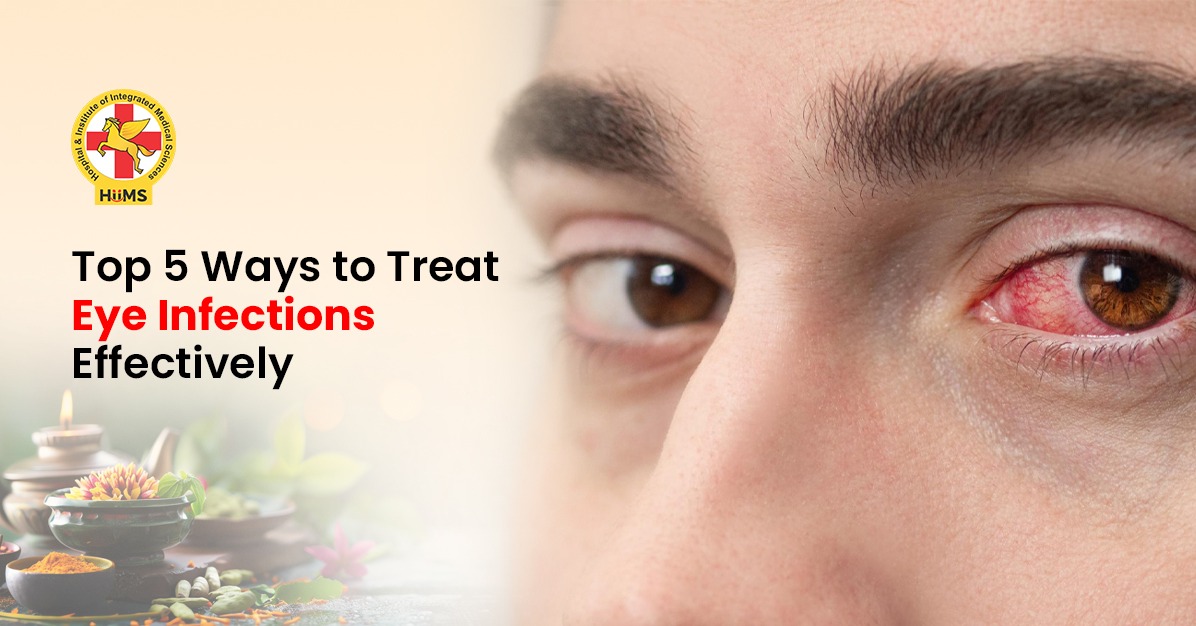
Eye discomfort often begins with a pattern like a little redness, slight itching, or watery eyes, which may not feel serious at first, so most people ignore it and move on with their day. But over time, these small signs can grow into something that starts affecting work, sleep, and daily comfort. Long screen hours, disturbed sleep, dusty environments, and casual hygiene habits have made eye infection cases more common than before. The eyes work nonstop, yet they get the least rest.
Many people confuse early eye infection symptoms with regular tiredness or dryness. That delay allows irritation to settle deeper. What feels like a small eye problem today can turn painful tomorrow. Paying attention early makes a real difference. The right eye infection treatment does not always mean heavy medication; it often begins with simple care and correct guidance.
In this blog, you will understand how eye infections develop, what worsens them, and the top five effective ways to manage and treat them safely, step by step, without confusion.
Understanding Eye Infections and Common Eye Problems
An eye infection usually shows itself through redness, burning, itching, sticky discharge, or swelling around the eyes. Some people notice blurred vision or a constant feeling that something is stuck inside the eye. These signs differ from general eye problems like dryness or strain, which improve after rest.
The key difference lies in persistence. An eye infection does not settle easily on its own. Bacteria, viruses, or irritation continue to disturb the eye surface. Early eye infection treatment helps prevent complications and protects sensitive eye tissues before damage deepens.
Common Causes Behind Eye Infections
Daily habits play a bigger role than most people realise. Like touching eyes with unclean hands, using shared towels, or sleeping without removing eye makeup, these are common habits that lead to infection. Dust, smoke, and polluted air further irritate already tired eyes.
From an Ayurvedic view, excess internal heat and irregular routines disturb balance. Poor digestion, lack of sleep, and continuous stress slowly weaken eye resistance. Over time, this imbalance creates a suitable ground for recurring eye infection symptoms.
Top 5 Ways to Treat Eye Infections Effectively
1. Gentle Eye Cleansing to Reduce Irritation
Cleanliness supports healing, but harsh washing increases the chances of irritation. Mild eye cleansing with clean water or recommended natural solutions removes discharge and dust gently. Over-washing should be avoided. Simple, careful hygiene allows the eye surface to recover faster during eye infection treatment.
2. Cooling and Soothing Eye Practices
Cooling methods help when redness, burning, or swelling feels intense. A clean cold compress calms irritation, while a warm compress helps in blocked glands or infections. The important part lies in knowing when to use which method. Clean cloths and separate towels are essential to avoid spreading the eye infection.
3. Natural Support Through Herbal-Based Care
Traditional herbs have long supported eye health by reducing inflammation and soothing irritation. Herbal washes and drops work gently when used under guidance. Ayurveda focuses on calming internal heat and nourishing eye tissues rather than suppressing symptoms alone. Supervision ensures herbs support recovery safely during eye infection treatment.
4. Rest, Routine, and Screen-Time Correction
Lack of sleep slows healing. Continuous screen exposure strains infected eyes further. Short breaks, reduced brightness, and relaxed blinking help relieve pressure. Calm routines allow eyes to heal naturally. Even small changes reduce eye infection symptoms significantly over time.
5. Professional Guidance for Recurrent or Severe Eye Infections
Home care definitely has some limits. If the infection keeps returning, spreads, or causes vision discomfort, professional evaluation becomes necessary. Correct diagnosis prevents misuse of remedies. Guided eye infection treatment at a hospital facility like Jeena Sikho HiiMS ensures safety, monitoring, and personalised care.
Ayurvedic Eye Care Approach at Jeena Sikho HiiMS
When treatment becomes necessary, Ayurveda focuses on balance and nourishment. Instead of one fixed method, care adapts to individual needs. Lifestyle & dietary modification and Panchkarma, along with therapies like Netra or Akshi Tarpana, gently nourish eye tissues using medicated herbal oil or ghee under expert supervision.
These methods calm irritation, support healing, and strengthen eye health without force. Regular monitoring ensures steady recovery from eye infection concerns.
Diet and Hygiene Habits That Support Eye Recovery
Light, cooling foods reduce internal strain. Green vegetables, fruits, and proper hydration support healing from within. Avoiding oily, dairy, packaged and spicy foods during infection helps calm irritation. Personal hygiene also matters in this case. Clean hands, separate towels, and regular pillowcase washing prevent reinfection and recurring eye problems.
When to Seek Medical Attention for an Eye Infection
Persistent pain, swelling, vision disturbance, or discharge that worsens needs medical attention. Delaying care allows the infection to deepen and complicate eye infection treatment. Timely consultation from hospitals like Jeena Sikho HiiMS protects long-term vision and prevents avoidable damage.
Conclusion
Eyes remain always delicate and irreplaceable. Daily habits, hygiene, and rest decide how well they stay protected. Home care works best when combined with guided treatment when needed. Balanced routines, early action, and professional support create safer healing.
At Jeena Sikho HiiMS, patients receive thoughtful care that incorporates tradition with supervision. For guidance or consultation, call +91 82704-82704 or write to care@jeenasikho.com and take the first step toward steady eye comfort and clarity.
FAQs
1. What are common eye infection symptoms to watch for?
Redness, itching, discharge, swelling, and burning sensation typically indicate early eye infection symptoms.
2. Can daily habits trigger an eye infection?
Poor hygiene, excessive screen time, and lack of sleep frequently contribute to eye infection development.
3. How does eye infection treatment differ from regular eye care?
Eye infection treatment focuses on removing infection and calming inflammation, not just reducing strain.
4. When does an eye problem need hospital care?
Recurring pain, vision changes, or spreading infection signals the need for professional eye infection care.
Ayurvedic care supports eye infection recovery by restoring balance and strengthening eye tissues safely & naturally.