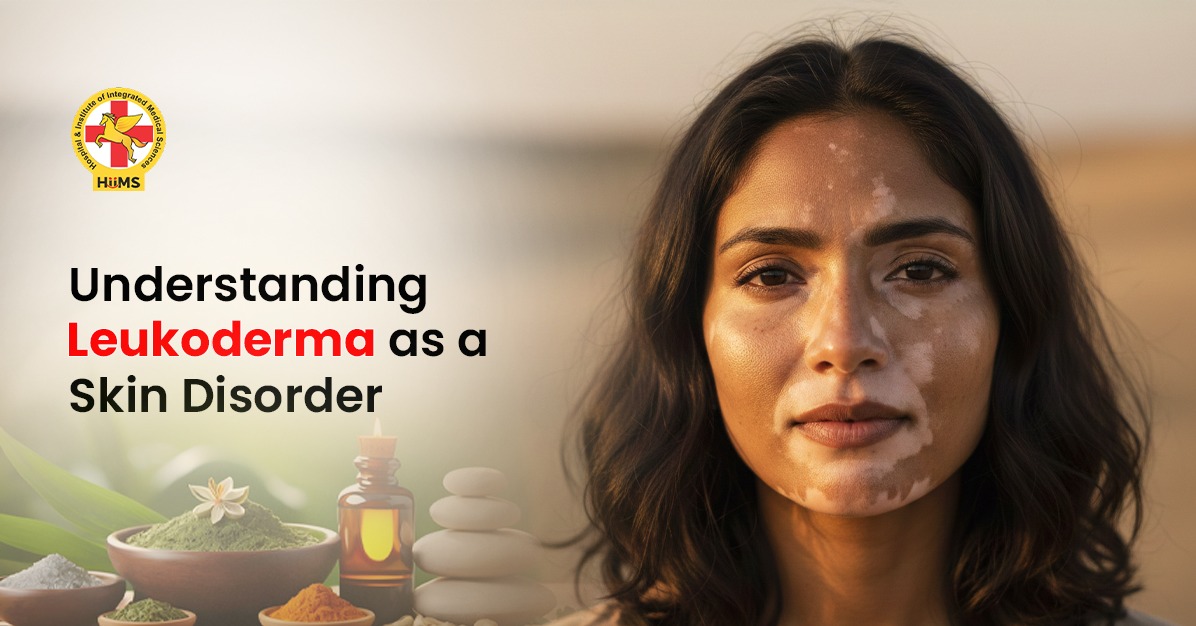
Understanding Leukoderma as a Skin Disorder
Our skin does much more than cover our bodies. It guards us from the environment, helps control body heat, and gives subtle clues about our health. When it’s in good shape, we don’t really pay attention to it. However, when even minor changes occur, such as a change in color, dryness, or tiny patches, concern gradually builds.
Skin issues don’t always show clear warning signs; they often begin so quietly that we ignore them until they become hard to overlook. When these quiet skin changes don’t fade away and instead start forming visible white patches, the condition is often identified as leukoderma. Leukoderma is not contagious. It doesn’t spread from one person to another through touch, food, or air. Yet, because it changes how the skin looks, it can affect confidence, social comfort, and mental peace.
What really helps is understanding what leukoderma actually is, why it happens, and how care can be planned in a calm, structured way. This blog walks you through leukoderma symptoms, causes, care options, and recovery outlook in a simple, grounded way.
What Exactly Is Leukoderma?
In medical terms, leukoderma means a loss of skin pigmentation. Skin gets its natural color from a pigment called melanin, which is produced by special cells known as melanocytes. When these cells stop working properly or get damaged, the skin in that spot starts looking lighter than the rest.
Leukoderma is not one single disease. It is more like a visible sign that appears in different conditions. Vitiligo is the most common condition linked with leukoderma. In vitiligo, the immune system mistakenly targets pigment-producing cells. In other cases, leukoderma can develop after skin injury, burns, infections, or long-term contact with certain chemicals.
The patches can show up anywhere on the body. Common areas include the face, hands, feet, arms, knees, elbows, and around body openings like lips or eyes. The size and shape of patches vary from person to person.
Common Signs—Leukoderma Symptoms
Leukoderma symptoms are usually easy to notice but don’t cause physical pain. Common signs usually include:
Flat white or pale patches with sharp borders
Lighter skin on areas like the face, hands, and feet
Patches slowly growing in size or spreading
Hair over those areas turning grey or white
Fading of natural color on the lips or within the mouth area
In most cases, there’s no itching or burning sensation. The bigger challenge is emotional discomfort, especially when patches appear on visible areas. This is why early emotional support and proper guidance matter just as much as physical care.
What Causes Leukoderma?
There isn’t one single reason behind leukoderma. It usually happens because of a combination of internal body changes and external influences. Some common causes include:
Autoimmune activity: The immune system mistakenly affects pigment cells
Genetic tendency: Family history may increase risk
Chemical exposure: Certain industrial or household chemicals can damage pigment cells
Skin trauma: Burns, cuts, surgery, or repeated friction
Stress overload: Long-term emotional stress can disturb internal balance
Digestive weakness: Poor gut health may affect skin nourishment
Because causes differ from person to person, proper diagnosis is important. A leukoderma doctor can assess whether the condition is due to autoimmunity, chemical exposure, past trauma, or lifestyle issues.
Natural Therapies For Leukoderma Care
Natural methods focus on supporting the body from within and helping move toward a gentle, sustainable leukoderma care routine. At Jeena Sikho HiiMS Hospital, care is planned after understanding a person’s lifestyle, food habits, stress levels, and overall health.
Panchakarma Therapy
Panchakarma is a five-step detox process that includes Vamana, Virechana, Basti, Nasya, and Raktamokshana. It helps clean out internal waste, boost digestion, and bring the inner system back into shape. When the inside stays balanced, the skin gets better nourishment, and long-term stability improves.
Herbal Therapy
Herbal therapy uses natural herbs to support internal balance and skin nourishment.
Neem Chaal: Supports skin clarity.
Anantmool: Helps settle immune responses.
Haldi: Known for its skin-soothing nature.
Mahamajisthadi Kwath: Supports blood purification.
Rasmanikaya: Helps balance internal doshas.
These herbs are selected based on individual body type and condition stage.
Diet and Lifestyle Role
Daily habits play a major role in skin health. A simple routine that includes fresh fruits, vegetables, home-cooked meals, and good hydration supports overall balance. The DIP Diet is built around proper meal timing and clean food choices.
Breakfast (7:00–9:00 am)
Plate 1: Seasonal fruits (3–5 varieties) — body weight × 10 gm
Plate 2: Regular home food or millet recipes like upma or daliya
Lunch (1:00–2:00 pm)
Plate 1: Mixed vegetable salad (3–5 varieties)—body weight × 5 gm
Plate 2: Home meals or millet dishes like khichadi, chapati, or dhokla
Dinner (Before sunset)
Plate 1: Fruit and veggie salad—body weight × 10 gm
Plate 2: Fresh homemade vegetable soup
This eating rhythm supports easy digestion, balanced metabolism, and better inner stability.
Leukoderma Recovery and Outlook
Leukoderma recovery looks different for everyone. Some people notice stability or improvement over time, while others may see slower changes. This is a long-term condition that requires patience and consistency.
Natural care focuses on digestion strength, immune balance, stress reduction, and daily habit correction. With the right leukoderma doctor, emotional support, and structured routine, many people learn to manage the condition confidently and live comfortably with their skin.
Conclusion
Leukoderma may not be painful on the body, yet it can weigh heavily on mental and emotional health. Knowing its causes, signs, and care options makes the process feel calmer and more manageable. Natural approaches that work on digestion, detox, stress balance, and daily habits help build inner stability over time.
With patience, guidance from a leukoderma doctor, and consistent care, managing leukoderma becomes less overwhelming and more hopeful. For guidance, call +91 82704 82704 or email care@jeenasikho.com.
FAQs
1. Is leukoderma a serious skin disorder?
Leukoderma is not life-threatening or contagious. It mainly affects skin color and emotional comfort.
2. What are early leukoderma symptoms?
Small white or lighter patches on the skin, usually on the face, hands, or feet.
3. Is leukoderma the same as vitiligo?
Leukoderma is a general term for pigment loss. Vitiligo is one of its common forms.
4. Should I consult a leukoderma doctor?
A specialist can identify the type and guide you toward a safe treatment plan.
5. Does diet matter in leukoderma?
Fresh, home-cooked food, good hydration, and regular meals support skin balance.