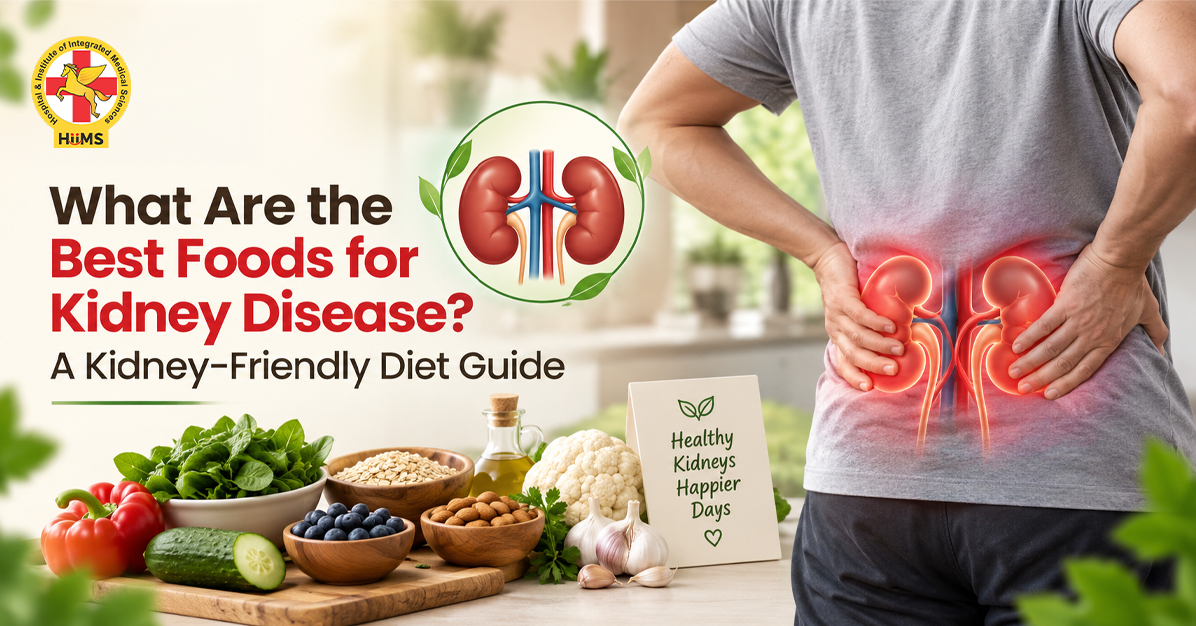
When you have kidney disease, food choices can become confusing. One person may be told to eat fewer bananas, while another may be asked to watch their salt, protein, or fluids. This is due to the fact that kidneys are responsible for removing waste products from your body and maintaining the proper ratio of minerals and liquids within your body. Any changes in the functioning of your kidneys may require dietary changes on your part.
Luckily enough, kidney-friendly nutrition does not mean depriving yourself of all the pleasures in life. With the right selection of foods and appropriate serving sizes, you can construct healthy and delicious meals without adding an extra burden to your kidneys. Unfortunately, there is no universal set of best foods for kidney disease that applies to all.
What Should a Kidney-Friendly Diet Include?
A kidney-healthy diet involves consuming the whole foods and taking note of sodium, potassium, phosphorus, proteins, and fluid intake. The above nutrients do not necessarily have to be restricted by everybody. Your healthcare provider will tailor them based on your health status and blood work.

1. Apples and Berries
Apples, strawberries, blueberries, and cranberries can be useful fruit choices, particularly for people who have been advised to follow a lower potassium diet. They also provide fiber and other nutrients. Portion size still matters.
2. Cauliflower and Cabbage
The vegetables can be used in the preparation of meals like curries and soups or any simple meal. These are the types of vegetables that can be easily incorporated in lower potassium diets.
3. Red Bell Peppers and Onions
Red bell peppers can be used to increase flavour without having to use too much salt. Other spices such as onions can also be used to enhance taste where there is a need to reduce sodium content.
4. Green Beans
Green beans can fit into most kidney-safe diets and contain fibre and nutrients without a lot of sodium in them if they are freshly prepared. They can be steamed, blanched, or added to simple veggie dishes. The appropriate amount would depend on your potassium intake.
5. White Rice and Appropriate Grains
White rice can be used in almost all kidney-friendly diets, where it can be easily combined with other vegetables and protein. The quantity to be consumed can depend on the entire nutritional needs of the body.
6. Garlic and Spices
Herbs such as garlic, ginger, coriander, and lemon can be used for adding flavor without having to rely on salt.
7. Healthy Fats in Limited Quantities
Unsaturated fats, including olive oil, are included in a healthy eating plan. It’s important to include these in limited quantities and pay attention to the overall quality of the meals.
What Are the Main Dietary Rules for Kidney Disease?
Choosing good foods is only one part of managing kidney disease. The amount of certain nutrients can also matter.
Watch Your Sodium
Too much sodium can cause the body to retain fluid and may raise blood pressure. Packaged snacks, instant foods, canned soups, pickles, and salty sauces can contain large amounts of sodium. Using fresh ingredients and herbs instead of excess salt can help.
Check Potassium and Phosphorus
Potassium and phosphorus do not need to be restricted by everyone with kidney disease. If your blood levels are high, your healthcare professional may recommend specific changes.
Some of the foods that might have to be avoided according to your results include bananas, potatoes, tomatoes, spinach, dairy products, and some processed foods. However, too much restriction from some healthy foods such as fruits and vegetables could unbalance your diet.
Get the Right Amount of Protein
Protein is needed in your body; however, your protein needs will vary based on your level of kidney function and dialysis. People with CKD have a moderate need for protein, while those on dialysis have high protein requirements due to protein loss during dialysis.

Which Foods Should You Limit?
Try to reduce the foods that are high in sodium and heavily processed. Packaged snacks, processed meats, instant soups, ready-to-eat meals, salty sauces, and foods containing phosphorus additives may need to be limited.
Do not automatically remove every food known to contain potassium or phosphorus. Your restrictions should be based on your kidney function and blood test results rather than a general online food list.
What Does Research Say About a Kidney-Friendly Diet?
Research and clinical guidance indicate that dietary management is an important part of caring for people with chronic kidney disease (CKD). As kidney function changes, the body may have difficulty maintaining the balance of sodium, potassium, phosphorus, protein, and fluids. Therefore, dietary requirements may differ from one person to another and can also change as CKD progresses. The National Institute of Diabetes and Digestive and Kidney Diseases recommends that people with CKD work with a healthcare professional or registered dietitian to develop an eating plan based on their kidney function, nutritional needs, blood test results, and stage of disease. The goal is to maintain adequate nutrition while managing nutrients that may place an additional burden on the kidneys when consumed in inappropriate amounts. NIDDK – Healthy Eating for Adults with Chronic Kidney Disease
Does Kidney Disease Treatment Affect Your Diet?
Yes. Your diet can vary depending upon the progression of kidney disease treatment. Patients undergoing dialysis can have different requirements for proteins and fluids compared to patients who suffer from early-stage CKD. That’s the reason for planning a diet for kidney disease and a diet plan hand in hand as opposed to using the same food chart at all stages.
At Jeena Sikho HiiMS Derabassi, the diet plan can be customized depending on individual health conditions. If you are already under the care of a kidney specialist, discuss major diet changes with them before making your own restrictions.
Conclusion
The best foods for kidney disease are not exactly the same for everyone. Fresh foods such as apples, berries, cauliflower, cabbage, bell peppers, onions, suitable grains, and carefully selected protein sources can fit into a kidney-friendly diet. At the same time, sodium, potassium, phosphorus, protein, and fluids may need individual attention. A personalized plan is safer than following a fixed kidney disease diet plan from the internet. At Jeena Sikho HiiMS Derabassi, personalized recommendations for Ayurveda and dietary advice can enable you to know about appropriate food and lifestyle options depending on your ailment. Personalised consultation is available at VOPD consultation.

FAQs
1. What Is The Best Diet For Kidney Disease?
The best diet for kidney disease patients depends on kidney functionality, laboratory findings, and also whether one is undergoing dialysis treatment.
2. Which fruits are good for kidney disease?
Apples, strawberries, blueberries, cranberries, and grapes can fit into some kidney-friendly diets, especially when potassium needs to be controlled. Portions still matter.
3. Should people with kidney problems stay away from protein?
No, because protein is essential; however, it depends on the correct portion. Protein portions for those suffering from CKD and those undergoing dialysis will differ.
4. Are bananas and tomatoes suitable food for kidney patients?
Bananas and tomatoes will need to be restricted only in the case when there are too many minerals in the body; however, not all kidney patients should refrain from consuming them.
5. When should I seek help from a kidney expert?
It is recommended to contact the kidney expert in the case of diagnosed kidney problems or abnormal kidney test results