Sometimes, our skin starts to act in ways that feel entirely unfamiliar, leaving us staring at the mirror with a sense of deep confusion. You might notice a small patch of dryness that does not seem to get better or a sudden redness that feels much deeper than a simple itch.
When these physical changes continue to occur, they often lead to a very important question, like what causes psoriasis, and why is it happening to me? It is natural to feel a bit overwhelmed when your body starts sending these visible signals, especially when the skin starts feeling thick, rough, or persistent in its irritation. This isn't just about what you see on the surface. It is a sign that something within your internal systems is a bit out of balance. Figuring out the “why” behind these changes can really make a difference when it comes to finding comfort that actually lasts.
In this blog, we’ll go through the factors that often stay unnoticed, from how your immune system works to the kind of habits you follow every day, and how all of this connects to your skin health.
Understanding Psoriasis in Simple Terms
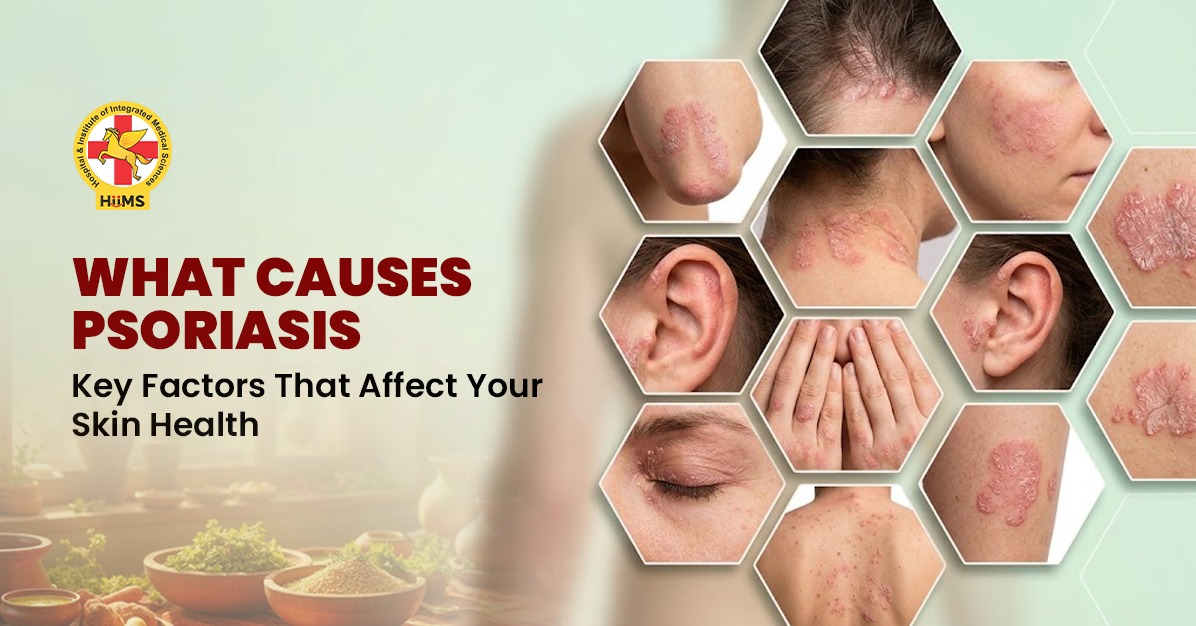
To put it in the most basic way possible, psoriasis is a condition where your skin's natural clock starts running much faster than it should. Usually, your body takes about a month to grow new skin cells and shed the old ones. However, when someone has this condition, that entire cycle happens in just a few days. Because the old cells don't have enough time to fall off naturally, they pile up on top of each other, creating those thick, scaly patches we often see.
These psoriasis symptoms can make daily life feel a bit heavy, as the dryness can lead to cracking or a burning sensation that makes moving around uncomfortable.
What Causes Psoriasis? Looking Beyond One Single Reason
When people search for a specific answer to what causes psoriasis, they often hope for a single reason, like a specific food or a one-time event. However, the reality is that it usually comes from a combination of several different factors working together. Think of it like a puzzle where your genetics, your environment, and your internal health all provide different parts. There is rarely just one reason why the skin begins to overreact. Rather, it is a perfect storm of internal triggers and external pressures.
Internal Factors That Affect Skin Health
Immune System Imbalance
The biggest factor in this situation is your immune system. Usually, your white blood cells protect you from germs, but in this case, they start attacking healthy skin cells by mistake. This "over-protection" is what tells the skin to grow way too fast.
Digestive Health
From an Ayurvedic perspective, we look closely at how you digest your food. If your digestion is weak, your body can’t process nutrients properly, leading to a buildup of toxins. These toxins eventually try to find a way out, often showing up as inflammation on the skin. Maintaining a clean internal environment is a major part of a successful psoriasis solution because it addresses the root of the buildup.
Genetic Tendency
Sometimes, the tendency for the skin to overreact is simply written in your DNA. If your parents or grandparents dealt with similar skin issues, your body might be more prone to it. However, having the gene doesn't mean you will definitely have the condition. It just means your skin might be more sensitive to certain triggers.
External Triggers That Can Worsen Psoriasis
Emotional pressure and high stress are perhaps the most common triggers, as your skin and your nerves are very closely linked. When you are stressed, your body releases chemicals that can make inflammation much worse.
Other factors include physical skin injuries, like a bad sunburn or a deep scratch, which can cause a new patch to form in that exact spot. Even something as simple as a change in weather, such as moving from a humid summer to a cold, dry winter, can strip the moisture from your skin and lead to a recurrence.
Recognizing these triggers is a vital part of effective psoriasis skin-care, as it allows you to protect yourself before the damage is done.
Lifestyle Habits That Quietly Make It Worse
Our modern lives are generally quite fast and messy, and our skin often pays the price for our lack of routine. Irregular meal times, staying up too late, and eating heavy, processed foods can keep your body in a constant state of low-grade inflammation. When you don't give your body the rest it needs, your immune system stays on high alert, making it much harder for your skin to calm down.
Small habits, like drinking enough water and choosing fresh, cooling foods, act as a silent psoriasis relief mechanism.
Why Psoriasis Feels Different for Everyone
One of the most frustrating things about this condition is how unpredictable it feels. You might find that a certain food bothers you, while someone else with the same condition can eat it without any issues.
This is because your "trigger profile" is unique to you. Because the experience is so personal, finding a personalized psoriasis treatment is essential. You need a plan that looks at your specific life, your stress levels, and your body type rather than just following a general guide.
When Should You Actually Seek Help?
If you notice that your skin patches are spreading to new areas, or if the itching is starting to keep you awake at night, it is time to stop trying to manage it alone. When the pain starts to affect your mood or your ability to enjoy your day, reaching out to a qualified and experienced doctor is the smartest move.
A qualified psoriasis specialist can help you decode the signals your body is sending. They can look at your symptoms and help you figure out which internal factors need the most attention, preventing the condition from getting worse over time.
Conclusion
At the end of the day, knowing what causes psoriasis takes away a lot of the fear and mystery surrounding the condition. It can take time, but once you see that your skin is reacting to both internal changes and outside triggers, it becomes easier to make choices that actually support it.
By focusing on both your internal health and your external environment, you can find the psoriasis relief you deserve. Small, consistent changes in your lifestyle, combined with the right expert guidance, can help your skin return to a state of balance.
If you are struggling to manage your skin health and need expert advice, you can also opt for VOPD consultation for your health issue with expert doctors at Jeena Sikho HiiMS Derabassi.
FAQs
Q1: What are the most common early signs that my skin is developing this condition?
You might notice small, red bumps that eventually grow into scaly patches or feel a persistent, dry itch on your elbows and knees.
Q2: Can the food I eat every day really affect how my skin looks?
What you eat directly impacts your digestion and internal inflammation, which can either calm or trigger your skin's reaction.
Q3: Why does my skin seem to get much worse during the winter months?
Cold air and indoor heating strip away natural oils, causing the skin to crack and making it easier for patches to develop again.
Q4: Is it possible for stress at work to cause a sudden breakout?
High stress levels send signals to your immune system to stay active, which often results in a rapid buildup of skin cells.
Q5: How does a specialist determine the best way to help my specific skin type?
A specialist at Jeena Sikho HiiMS Derabassi looks at your family history, your digestion, and your daily triggers to create a plan that fits your unique body.