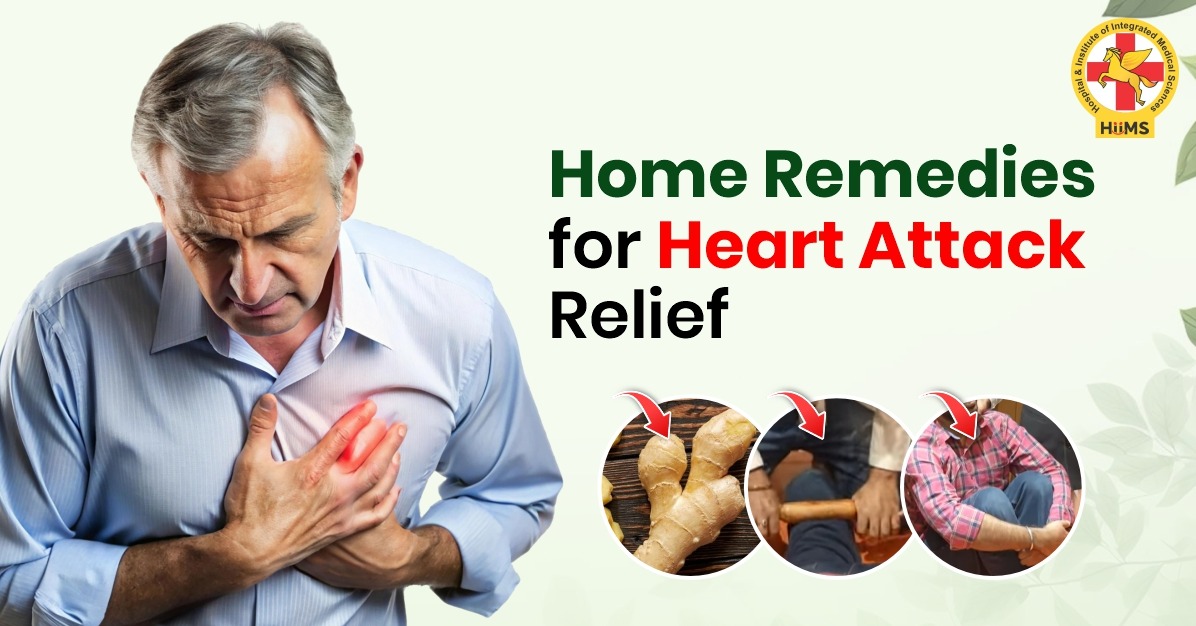
A heart attack does not always arrive with loud signals; sometimes the body gives small hints that we fail to notice. Breathlessness while climbing stairs, pressure in the chest after a light walk, or sudden sweating may feel ordinary, but these can be early warnings. In today’s busy lifestyle, many people ignore these signs until the condition becomes critical. That is why knowing the heart attack first aid tips is very important. Quick action in those few minutes can save someone’s life.
Ayurveda and natural care have always spoken about listening to your body and acting wisely when health alarms ring. Acharya Manish Ji, a well-known Ayurveda Expert and founder of the HiiMS (Jeena Sikho) Hospital chains, has shared simple and practical steps that one can follow during a heart emergency. These methods are not complex; they can be remembered easily and used instantly.
In this blog, we will explore the common heart attack symptoms and treatment, first aid guidance by Acharya Manish Ji, and natural care like ginger benefits for heart health that keep the heart strong in the long run.
Understanding Heart Attack: Symptoms & Its Treatment
A heart attack happens when the blood supply to the heart muscles is blocked. This blockage may cause damage if not treated quickly. The body often gives signals, but people usually mistake them for tiredness or indigestion.
Common signs include:
Pressure or heaviness in the chest.
Pain moving to the arm, jaw, back, or neck.
Shortness of breath.
Sudden sweating without reason.
Nausea or dizziness.
Weakness and unusual fatigue.
If such signals appear, medical attention is needed immediately. In hospitals, doctors may use medicines or other procedures to restore blood flow. While medical treatment is important, awareness of home actions is equally valuable until help arrives.
First Aid for Heart Attack: Expert Tips by Acharya Manish Ji
Acharya Manish Ji explains that the first few minutes during a heart emergency can decide everything. What you do in that moment may help save a life. He suggests two practical options depending on the situation:
Situation 1 – If Someone is Around to Help
Lie down flat – Lie down flat on the floor with your belly downwards and back upwards.
Chew fresh ginger – Then, give the person a quite big piece of ginger (about two inches). Let them chew until you do the next steps. This helps open blood vessels and improves circulation.
Press the calves with a belan (rolling pin) – Around 250 ml of blood is stored in each calf. Then, 2 people gently sit on the legs of the patient and start rolling or pressing the calves firmly with a belan; blood is pushed back into circulation and supports the heart until medical help arrives.
Press Shipra Marma points – Then, another 2 people gently press the points on the palm area in the middle of the 1st finger and thumb; it's the navel pressure point (Shipra Marma), which can also support blood flow.
Situation 2 – If You Are Alone
Sit upright – Sit down immediately in a safe position, with knees bent, lean slightly forward and support your back with anything like a wall to reduce strain on the heart.
Chew ginger – Take a big piece of fresh ginger (about 2 inches) and chew it until your eyes water. This reaction shows the body is responding.
Call for help immediately – Don’t delay in contacting an ambulance or reaching a hospital.
Acharya Manish Ji explains these steps in detail in his video. You can watch it here: Watch Video
Home Remedies & Ayurvedic Doctor Advice for Heart Care
Ayurveda has always recommended natural herbs for maintaining heart health. Ginger benefits for heart health are well known, but there are other herbs, too:
Arjuna – helps strengthen heart muscles.
Ashwagandha – brings balance and supports circulation.
Guggulu – useful for keeping arteries clean.
Lifestyle habits matter equally. Light, wholesome meals with plenty of fruits, vegetables, and whole grains, and avoiding oily or heavy dishes, keep the heart relaxed. Practices like yoga, pranayama, adequate rest, and daily outdoor walking reduce stress and support heart wellness. Regular check-ups with an Ayurvedic doctor for heart care help tailor diet and herbal support for each person.
Preventive Tips for Long-term Heart Health
Prevention is always wiser than emergency action. Small daily habits can keep the heart active and strong:
Choose a balanced diet with fresh vegetables, fruits, pulses, and millets.
Reduce oily and fried food, and cut down on extra salt and sugar.
Practice yoga, pranayama, or simple walking for at least half an hour daily.
Keep stress low, sleep on time, and avoid smoking or alcohol.
Use home remedies for heart attack prevention, such as herbal kadha, warm water, and seasonal fruits.
These practices, along with regular guidance from an Ayurvedic doctor for heart care, ensure long-term wellness.
Conclusion
Knowing heart attack first aid tips is not only about saving someone else’s life; it is also about being ready for yourself. Early action, such as sitting in a heart safe position, chewing ginger, knowledge of marma points, and pressing the calf muscles, can bring valuable relief until medical help arrives. Combined with Ayurvedic wisdom and regular care, the heart can remain healthy for years.
If you ever feel unexplained heaviness, breathlessness, or other signals in your body, do not delay. Listen to your body and consult a professional.
For guidance in Ayurveda and lifestyle changes, HiiMS (Jeena Sikho) Derabassi under Acharya Manish Ji provides natural care options. Awareness, timely action, and small preventive steps can make a real difference.
FAQs
1. What are the common heart attack symptoms and treatment options?
Chest heaviness, pain in the arm or jaw, sweating, and breathlessness are signals, and hospital treatment focuses on restoring blood flow quickly.
2. How do heart attack first aid tips help during an emergency?
Sitting in a heart-safe position and chewing fresh ginger until your eyes water can help keep the body steady until medical help arrives.
3. What are the main ginger benefits for heart health?
Chewing raw ginger helps in widening blood vessels, improving circulation, and giving relief during sudden chest pressure.
4. Which herbs are often suggested by an Ayurvedic doctor for heart care?
Arjuna, Ashwagandha, and Guggulu are traditional herbs that maintain strength and support natural heart functions.
5. Can home remedies for heart attack help in prevention?
Using light meals, sipping warm water, including ginger, and making simple lifestyle changes work as preventive care and keep the heart in balance.