
According to Ayurveda, the body is a temple, and each part—from the spine to the toes—plays a vital part in preserving harmony and wellness.
Beyond just "standing straight," Ayurveda promotes a comprehensive approach to posture called 360-degree Postural Medicine in conjunction with Dharan Correction, which aims to correct the body's energy centres and structural integrity.
This method restores emotional and energy equilibrium in addition to remedying bodily abnormalities.
360-Degree Postural Therapy: A Comprehensive Method
The back or spinal alignment is frequently the exclusive focus of contemporary posture therapy. But Ayurveda adopts a more expansive, all-encompassing perspective. 360-degree Postural Medicine looks at how the body is aligned from head to toe and takes into account how posture affects internal organs, energy flow,
Key Aspects of 360-Degree Postural Medicine:
Spinal Alignment: Prana, or life energy, travels via the spine, which serves as the body's primary support. Proper alignment avoids imbalances in the nervous system and guarantees the best possible energy flow.
Joint Integrity: Misaligned joints can lead to chronic pain by obstructing the body's nadis or energy channels. Proper posture maintains healthy joint function.
Pelvic and Core Balance: The pelvis is a crucial structural element. An unbalanced pelvis disrupts energy flow to the lower chakras and affects the lower back.
Foot and Ankle Stability: The body is built on the feet. Inappropriate weight distribution or flat feet can impact the entire posture chain, resulting in knee, hip, and back problems.
Energy Flow (Prana Vayu Alignment): Maintaining a posture that supports the five vayus (energy) is known as Prana Vayu Alignment.
Dharan Correction: Realigning the Mind-Body Matrix
Dharan is the Sanskrit word for "holding" or "support." According to Ayurveda, it refers to the body's capacity to maintain equilibrium in its structure, energy, and emotions.
Dharan Correction entails realigning the body's internal and external support systems to attain physical, emotional, and energy equilibrium.
The fundamentals of Dharan correction
Structural Realignment is correcting imbalances in the shoulders, pelvis, and spine to provide a solid base for the body's motions.
Energy Blockage Release: By combining breathing exercises (pranayama) with gentle posture adjustments, stored prana is released, enhancing energy flow.
Mind-Body Awareness: Promoting attentive movement and postural awareness to avoid tension patterns or unintentional slouching is known as mind-body awareness.
Emotional Dharan: Proper posture reduces anxiety and instability by enabling the body to "hold" emotions more healthily.
Postural Correction Techniques in Ayurveda
The following Ayurvedic techniques complement Dharan Correction and 360-degree Postural Medicine:
1. Marma Point Therapy
It focuses on activating particular energy points to clear obstructions and address structural imbalances.
Prana flow can be restored, and posture can be improved by applying light pressure to the marma points in the feet, neck, and spine.
2. Postural Alignment Asanas
Tadasana (Mountain Pose): Enhances postural muscles and raises awareness of the body's position.
Triangle pose, or trikonasana: Aligns and stretches the shoulders, hips, and spine.
Vajrasana: Facilitates digestion and supports pelvic alignment.
3. Dharan Breathwork (Pranayama)
Nadi Shodhana (Alternate Nostril Breathing): Balances energy channels and supports spinal alignment.
Bhramari Pranayama (Bee Breath): Reduces neck and upper back tension, promoting a relaxed posture.
4. Mindful Walking (Chankramana)
Walking barefoot on natural surfaces (like grass or soil) with mindful attention to posture helps correct alignment and connect the body to Earth's healing energy.
5. Head and Neck Postural Reset
Gentle neck rotations and stretches release tension and improve head posture, critical for maintaining spinal alignment.
Healing Benefits of 360-Degree Postural Medicine and Dharan Correction
Pain Reduction: Resolving misalignments reduces persistent joint, back, and neck pain.
Improved Digestion: Good posture promotes the health of the abdominal organs and facilitates better digestion.
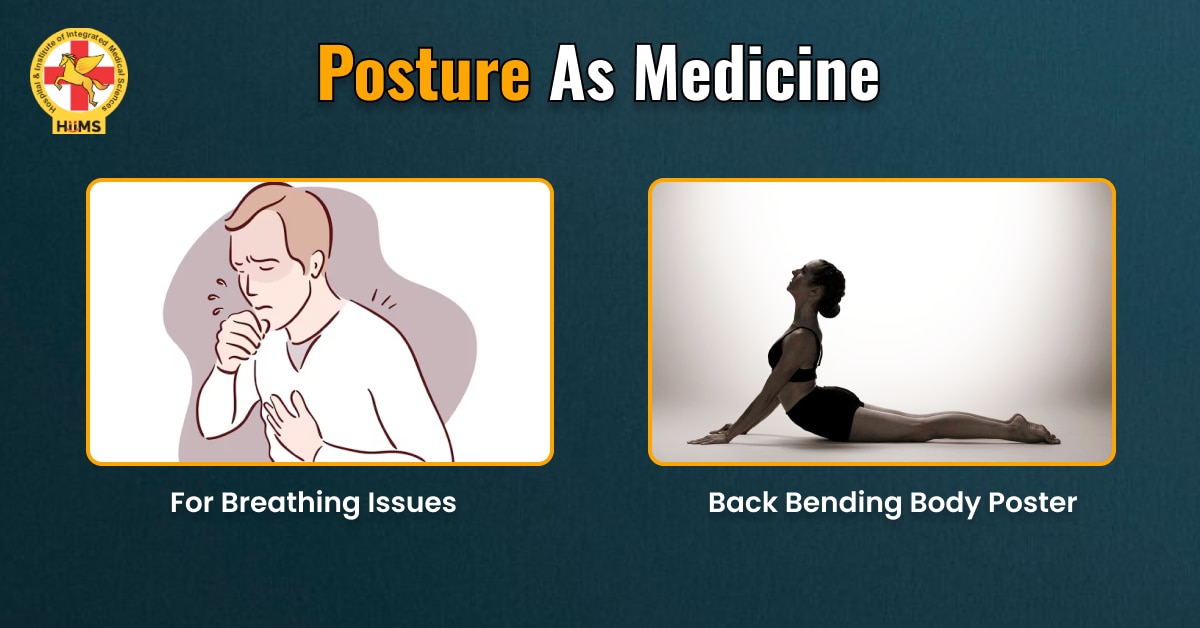
Better Breathing: An open, upright posture makes deep diaphragmatic breathing possible and raises oxygen intake.
Stress Reduction: Dharan Correction encourages a serene, centred frame of mind by releasing energetic and bodily strain.
Optimal Energy Flow: Correct posture supports the unobstructed flow of prana, enhancing vitality and overall health.
Conclusion: Aligning for Health and Harmony
Ayurveda views posture as a medicine that balances the body, mind, and energy systems; it is much more than just a physical exercise. We may regain equilibrium, fend off illness, and unleash the body's inherent healing capacity by adopting 360-degree Postural Medicine and Dharan Correction.
Take a deep breath, straighten your back, and allow Ayurvedic wisdom to lead you to a healthy, balanced, and energetic existence. After all, the way you carry yourself, inside and out, is where real healing starts.
FAQs
1. What is 360-degree Postural Medicine?
A holistic Ayurvedic approach focuses on aligning the entire body to improve physical health, energy flow, and mental balance.
2. What is Dharan Correction in Ayurveda?
It is a practice that realigns the body's structural and energetic systems to maintain stability, release blockages, and promote emotional and physical well-being.
3. How does posture affect digestion in Ayurveda?
Poor posture compresses abdominal organs and weakens digestion. Sitting upright or in Vajrasana after meals enhances digestion and energy flow.
4. What are Ayurvedic practices for posture correction?
Key practices include asanas (Vajrasana, Tadasana), pranayama (Nadi Shodhana), marma therapy, and mindful barefoot walking.
5. Can posture correction help with mental health?
An upright posture calms the nervous system, improves focus, and supports emotional stability by maintaining a balanced energy flow.


