Hemorrhoids, or piles, tend to disrupt normal activities of one’s life. Long hours of sitting, passing of hard stool, and even finding of blood from the anus post-bowel motion can cause alarm. Some people choose natural ways as the first treatment process; others prefer Ayurvedic treatment methods of piles.
This condition is referred to in Ayurveda as Arsha. It involves the digestive system, bowel movements, diet, and the requirement of the patient’s body. Different kinds of treatments, such as diet modifications, medicinal drugs, or Kshar Karma and Kshar Sutra, depending upon the symptoms.
However, not every remedy is suitable for everyone. The right Ayurvedic treatment for piles depends on the type of piles, their severity, and the person's medical history. Let us understand the available options, what research says, and when professional guidance is important.
What Are Piles and Why Do They Occur?
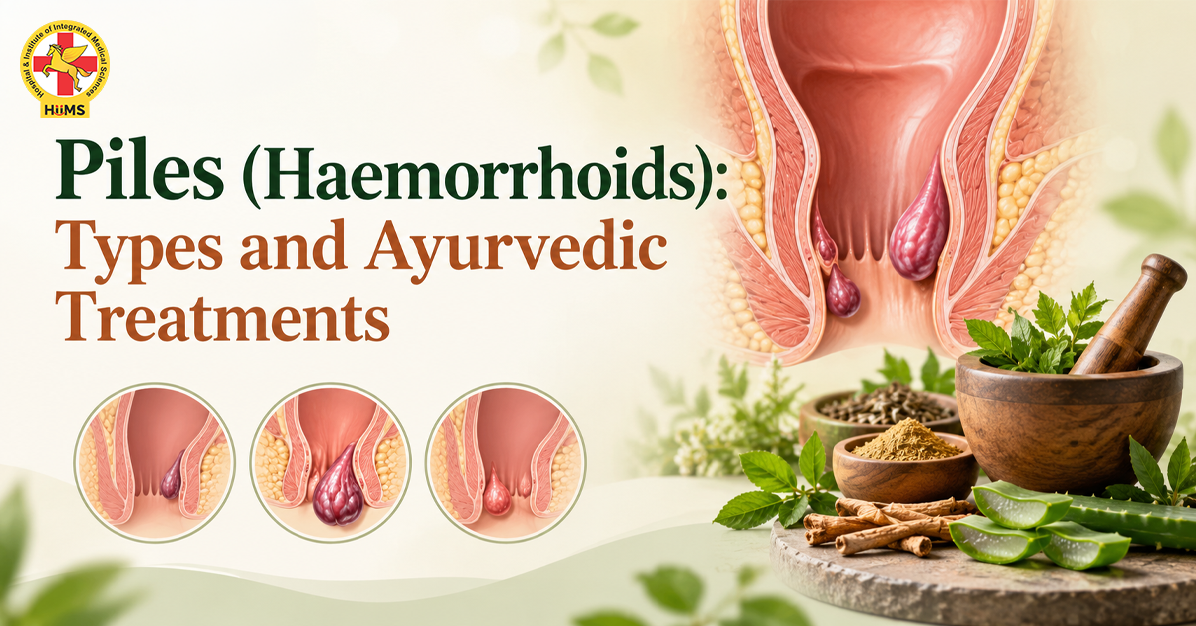
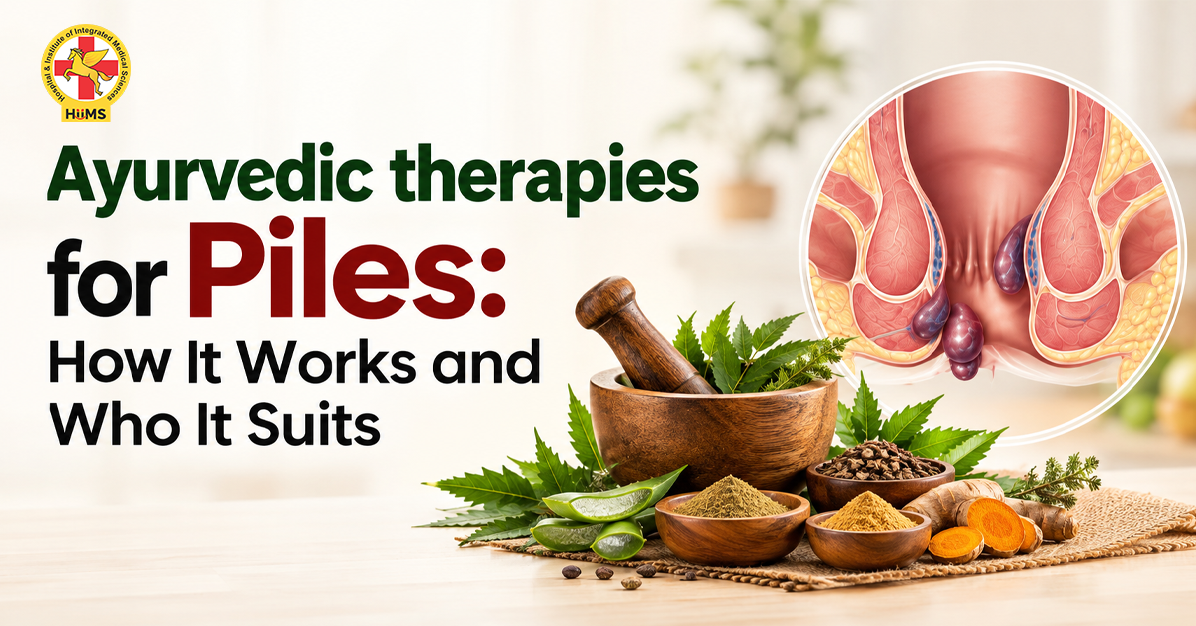
Hemorrhoids are swollen veins together with other tissue around and inside the anus and lower part of the rectum. There are internal and external hemorrhoids. Internal hemorrhoids form within the anal canal while external hemorrhoids form underneath the skin near the anus. There is pain, bleeding, itching, and swelling, among other signs. A prolapse may also arise whereby internal hemorrhoids protrude from the anus.
According to the National Institute of Diabetes and Digestive and Kidney Diseases (NIDDK), common risk factors include constipation, straining during bowel movements, a low-fibre diet, and sitting on the toilet for long periods. Rectal bleeding should not automatically be assumed to be piles. Other digestive conditions can cause the similar symptoms, so medical assessment is important.
How Does Ayurveda Understand Piles?
Arsha is the name given to piles in Ayurveda. In the traditional Ayurvedic context, the cause of piles has been associated with digestion, bowel movements, diet, and imbalance in the doshas of the body.
Practically speaking, this highlights the importance of good bowel movements, correct diet, and no strain at all. This Ayurvedic treatment is tailor-made, depending on an individual, so it may be different in cases where one feels different symptoms.
Are there any Ayurvedic remedies for piles that work? There might be some treatments that may help an individual with his bowel movements or symptom alleviation, but methods such as Kshar Sutra have undergone clinical trials to a very small extent. Nonetheless, the evidence is insufficient, and the conclusions cannot be drawn about the effect of each treatment.
Learn more about piles. Book a free consultation today.
Which Ayurvedic Therapies Are Used for Piles?
The choice of care depends on the type and severity of piles. A qualified practitioner should examine the condition before recommending medicines or procedures.
1. Medicines and Dietary Management
If one has mild symptoms, initially, there can be an attempt at dealing with constipation and easing the movement of stools. In such cases, one can receive advice regarding medicines and diet modification according to their needs.
Triphala is an Ayurvedic treatment method but is not recommended for all individuals. One should consult a certified health professional before trying any herbs, especially if pregnant or on other medications.
2. Kshar Karma
Kshar Karma is a process that entails the use of an alkaline medicine under supervision. It is a special procedure that one should not try by oneself. It depends on the diagnosis and assessment by the doctor of whether one is suitable for this procedure.
3. Kshar Sutra Treatment for Piles
Kshar Sutra uses a specially prepared medicinal thread in a procedure intended to manage selected anorectal conditions. Research has examined its use for certain grades of hemorrhoids, including comparisons with rubber band ligation and hemorrhoidectomy.
A 2010 comparative study of Kshar Sutra and rubber band ligation included only 20 patients. A 2011 study comparing Kshar Sutra ligation with hemorrhoidectomy included 61 patients.
These studies provide some clinical information, but their small sample sizes limit the conclusions that can be drawn. Kshar Sutra is not automatically the best option for every patient. A qualified anorectal specialist should explain whether it is appropriate for the diagnosed condition.
4. Other Treatments and Surgery
In some cases, procedures such as the rubber band ligation technique and even surgery may become necessary. This largely depends on what the patient is dealing with as far as their piles go. This should be determined through proper examination and not mere speculations as to which method is better.
What Is the Best Diet for Piles Management?
The diet has a vital role to play in controlling constipation and straining while passing stool. The Ayurveda approach as well as the clinical practice acknowledges the significance of the appropriate eating habit.
Foods to Include
Whole grains: Oats, whole wheat, and bran can provide dietary fibre.
Fruits and vegetables: Guava, pear, leafy vegetables, and other fibre-rich fruits and vegetables will help with regular bowel movement.
Pulses: Lentils, beans, and chickpeas are rich in fibre.
Fluids: Consume water and other fluids that suit your health.
The NIDDK Guide on eating, diet, and nutrition for hemorrhoids discusses how fibre helps in softening stools and easy passage. It provides a general reference of 28 grams of fibre per day for a 2000-calorie diet.
Habits That May Help
Avoid straining and spending too much time on the toilet. Regular walking may also support the bowel regularity. Increase fibre gradually to reduce bloating.
A warm water sitz bath may provide temporary relief from discomfort. Avoid applying herbal pastes or oils inside the anus without professional advice, as these can cause irritation.
Who May Benefit From Ayurvedic Therapy for Piles?
An Ayurvedic consultation might prove helpful to individuals wishing to discuss dietary advice, herbal treatments, or certain procedures.
However, it is appropriate in cases when the nature of your symptoms, their seriousness, and medical history justify that course of action. Visit a doctor immediately if you experience recurring and/or profuse rectal bleeding, pain, or weight loss without reason, or if you experience a marked change in your bowel habits.
Before choosing Kshar Sutra or another procedure, ask the practitioner:
What type and grade of piles do I have?
Why is this procedure suitable for my condition?
What are the possible risks and alternatives?
How long might recovery take, and what follow-up will be needed?
These questions can help you make an informed decision about your care.
Ayurvedic Piles Care at Jeena Sikho HiiMS
HiiMS Jeena Sikho employs the Ayurvedic method, taking into account the unique requirements, diet, and lifestyle of the person in question. Those suffering from hemorrhoids, one may seek consultation with a trained healthcare professional in order to get to know the available methods of assessment and care.
Based on the findings, one may need to talk about diet changes, bowel management, the right Ayurvedic medications, or certain procedures. It is important for the practitioner to tell about benefits, limitations, risks, and other possible ways.
One must understand that the use of Ayurvedic medicines and procedures does not substitute the medical assessment. Should one notice blood in stools, one needs to seek professional assistance.
Conclusion
Piles can influence one’s comfort, but the right management is done based on a proper diagnosis. Ayurvedic therapies for piles, diet advice, and certain procedures can be considered in light of what best suits an individual, but some methods lack evidence. It is essential to ensure that one eats a balanced amount of fibre and does not strain, as well as seek advice from professionals. In case of prolonged symptoms or rectal bleeding, it would be wise to see a qualified medical professional.
Need guidance for piles? Contact Jeena Sikho HiiMS to inquire about a VOPD consultation and discuss your symptoms and suitable care options. A qualified practitioner can help you understand the next steps based on your individual needs.
FAQs
1. Are Ayurvedic medicines useful in piles?
Some methods in Ayurveda might help regulate bowel movement and deal with some symptoms. Suitability of those depends on the patient's situation. There is not enough proof regarding individual remedies.
2. Is Kshar Sutra good for all the patients who have piles?
No, it is only possible to consider Kshar Sutra for some patients. Suitability depends on the diagnosis, level of severity, and personal medical history. It is necessary to consult a doctor, who specializes in anorectal disorders.
3. What food should I take for managing piles?
It is useful to include the fibre-containing products in your diet, like fruits, vegetables, cereals, and legumes. You should also drink enough fluid and follow recommendations of your personal doctor.
4. When do I need to visit the doctor for piles?
It is necessary to contact a healthcare provider in case of rectal bleeding, persistence, or severity of the symptoms. In case of heavy bleeding or severe anal pain and fever, or bleeding along with abdominal pain, the patient needs an urgent medical consultation.
5. Can piles be cured by dietary and lifestyle modifications alone?
Mild cases of piles can be treated by ensuring the adequate fibre, proper hydration, exercise, and non-straining while passing stool. Severe cases of piles may, however, need further treatment.