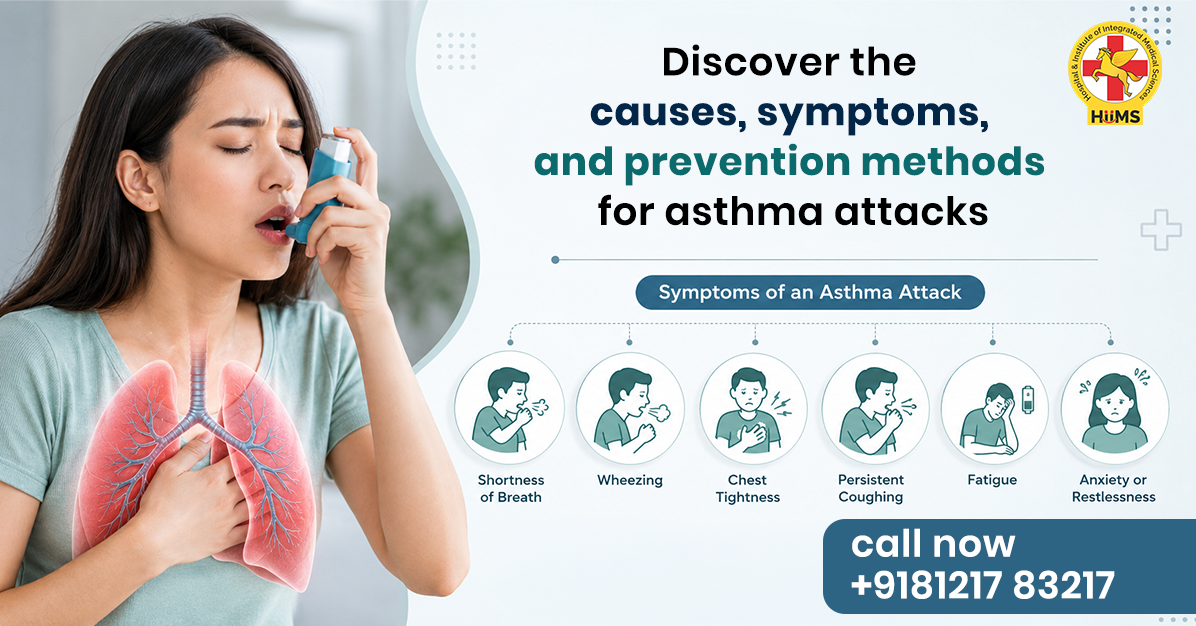
Breathing is one of those things people hardly notice until it starts feeling difficult. Such as a small walk, a dusty room, a sudden change in weather, or even a poor night’s sleep can make the chest feel tight and the breath feel shorter than usual.
For someone dealing with asthma attacks, these changes are not small at all, because they can turn a normal routine into a challenging one very quickly. The problem is that asthma does not always start with a clear warning. Sometimes it starts with a slight cough, a little wheeze, or a feeling that breathing needs extra effort. When those signs repeat, it means the body is asking for attention.
This blog explains what happens inside the lungs, which symptoms should be watched closely, what usually triggers the problem, and how simple daily habits can help people feel more in control and less disturbed. It also shares gentle support methods that may improve breathing comfort over time.
What Happens During an Asthma Attack?
Asthma is a condition in which the respiratory tracts inside the lungs become swollen, sensitive, and narrowed. When that happens, air cannot move as freely as it should. The muscles around the air passages may tighten, and mucus may build up inside the chest, which makes breathing feel heavier. Many people first notice cough, wheezing, or pressure in the chest, and these are common asthma attack symptoms that often show up when the airways are irritated.
Why Asthma Feels Different for Different People
No two people experience asthma in exactly the same way. Some feel pain only during cold weather, while others struggle after exposure to dust, smoke, or strong smells. A person’s lifestyle, body strength, and surroundings can all change how strongly asthma attacks affect them, which is why careful observation is so important.
Early Signs That Should Not Be Ignored
The body often gives small signals before breathing becomes truly difficult. Mild coughing at night, frequent throat clearing, slight chest discomfort, and shortness of breath during simple work may all appear as early signs of asthma. These signs may seem ordinary at first, but when they keep returning, they deserve proper attention.
Common Asthma Warning Signs
As the condition gets more active, the symptoms become easier to notice. Tightness in the chest, a whistling sound while breathing, restlessness, and difficulty speaking in full sentences are all important asthma warning signs. Increased mucus and a heavy feeling in the chest also suggest that the airways are under stress.
When Asthma Symptoms Become Serious
Fast breathing, visible effort in the chest muscles, pale or bluish lips, and a feeling that a full breath is hard to take are stronger signs of asthma attack. At that stage, the person should not wait and hope the problem settles on its own.
Common Causes and Triggers Behind Asthma Attacks
Dust and pollution are among the most common things that irritate sensitive airways. Smoke, chemical fumes, strong perfumes, and sudden weather changes can also make breathing uncomfortable very quickly. Cold air often adds to the problem, especially in people whose lungs react easily.
Allergies are another major reason behind breathing trouble. Pollen, pet hair, mold, damp rooms, and dust mites can all disturb the airway lining and make the body react. Stress, poor sleep, smoking exposure, and a lack of movement may slowly make the chest more sensitive too. Seasonal flu, cough, and repeated throat infections can weaken the body’s balance and increase the chance of asthma attacks returning again and again.
Simple Ways to Prevent Asthma Attacks Naturally
Keeping the surroundings clean can reduce a lot of breathing trouble. A dust-free room, less smoke exposure, and fewer strong chemical smells often help the airways stay calmer. A steady sleep routine is important as well, because poor sleep can make the body more reactive than usual. These simple habits may not look obvious, but they support asthma attack treatment in everyday life by lowering the trigger load on the lungs.
Food habits also play a role. Warm, freshly cooked meals are usually easier to digest, while cold drinks, packaged food, late-night eating, and very oily meals may create heaviness in some people. Drinking warm water and eating light meals on time can help the body feel more settled.
Breathing Practices That May Improve Lung Comfort
Breathing slowly through the nose, breathing out in a calm way, and doing gentle chest movements may help reduce tightness in the chest. Many people also practice Anulom Vilom and Bhramari because these breathing methods can help the breath feel steadier and the mind feel more relaxed. When done regularly, these breathing habits may help the person feel more steady during daily life and less uneasy when discomfort occurs.
CAAT Protocol Used for Breathing Support
The CAAT method is a simple way, by Jeena Sikho HiiMS to guide breathing when the chest feels tight. Here, “C” stands for lung capacity, the first “A” refers to afferent mismatch correction, the second “A” supports airflow guidance, and “T” means testing comfort gradually.
This method often uses a slight forward posture, controlled breathing, and a calm focus on airflow. It may help loosen tightness in the chest and reduce panic during difficult moments. Many people find that such a routine gives them a little more control when breathing starts to feel uneven.
Why Timely Guidance from an Asthma Hospital is Important
When breathing trouble keeps coming back, proper guidance becomes important. An asthma hospital can help identify triggers, track symptoms, and build a care plan that suits the person’s condition. At Jeena Sikho HiiMS Bengaluru, the focus stays on personalised care, Ayurveda-based support, breathing practices, and diet guidance that fit long-term wellness instead of only quick relief.
Conclusion
Breathing problems can feel frightening, especially when the chest keeps tightening and the body does not feel steady. Still, the situation becomes easier to manage when a person understands the warning signs, avoids common triggers, and follows small daily habits with care.
Clean surroundings, good sleep, warm food, and simple breathing practice can all reduce the strain that often leads to asthma attacks. The goal is not only to handle discomfort after it starts but also to build a routine that keeps the lungs calmer through the day.

If the symptoms keep returning, proper guidance can make the next step clearer. You can also opt for an online video consultation (VOPD) with expert doctors at Jeena Sikho HiiMS for personalised support and long-term respiratory care.
FAQs
1. What are the first signs that asthma may be getting worse?
Night coughing, chest tightness, shortness of breath, and a whistling sound while breathing often appear before symptoms become stronger.
2. Which things usually trigger asthma symptoms?
Dust, smoke, cold air, pollution, strong smells, stress, and allergy triggers like pollen or pet hair are common reasons.
3. How do breathing exercises help in asthma care?
They help slow the breath, relax the chest, and reduce tension, which may make breathing feel smoother and less strained.
4. Why does asthma sometimes return again and again?
It often returns when triggers stay around, sleep is poor, or the body remains sensitive to repeated irritation.
A visit becomes important when breathing trouble keeps repeating, warning signs grow stronger, or daily life starts getting affected.