Heart disease isn’t always dramatic. It doesn’t always announce itself with a sudden collapse or blaring siren. Often, it creeps in slowly, quietly, with little hints that most of us ignore. A fluttering heartbeat here, a slight heaviness there, tiredness that seems a bit too much for no reason. And yet, even though it can be quiet, it’s everywhere - studies suggest that nearly 30% of adults over 50 have some form of heart issue, sometimes without even realizing it.
It’s strange how the body gives you clues - sometimes obvious, sometimes subtle. Maybe a climb up the stairs leaves you unusually winded. Or your chest feels tight after a long day, and you shrug it off. Maybe your ankle swells slightly and disappears by morning. These little whispers matter. Paying attention can make all the difference, giving time to catch problems before they become emergencies.
Common Heart Disease Symptoms You Should Not Ignore
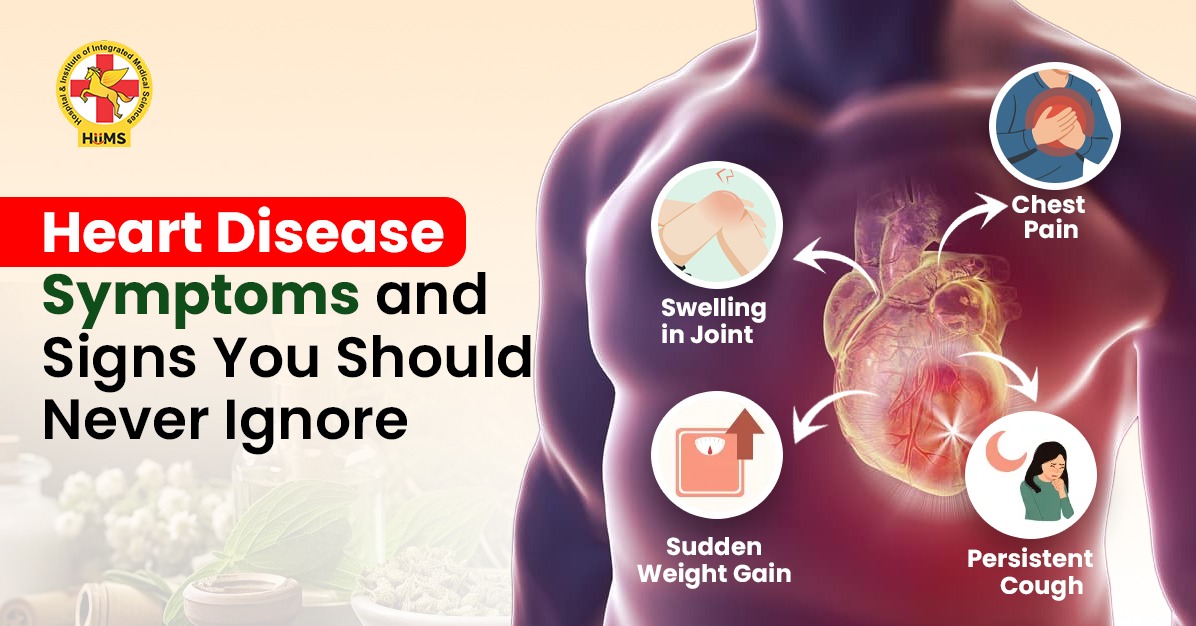
The heart disease symptoms are not always sudden or severe. Some people feel a weight or tightness in the chest, sometimes spreading to the arm, jaw, or back. Other times it’s just a fluttering - a heartbeat that feels like it skipped, or a soft thump that seems off. Breathlessness is another early companion, creeping in when you do simple things: a walk, a flight of stairs, or even resting quietly on the couch.
Sweating without obvious reason, dizziness that passes quickly but leaves a strange feeling, or fatigue that lingers despite rest - these are often dismissed, but they count. They are small signals. And they might not happen all at once, sometimes days apart. The body is patient in its warnings, but not forever.
Early Warning Signs of Heart Disease
Sometimes the early signs of heart disease are almost polite. Persistent tiredness without clear cause, sleep that feels unrefreshing, or a mild sense of chest tightness. Some people notice their hands and feet feel colder than usual or their ankles puff slightly by evening.
Palpitations - a sudden skip, a flutter, a racing moment - can be unsettling. Even short bouts of breathlessness during normal activity deserve attention. They are clues the heart is under strain. Catching them early gives you time to act, adjust habits, and seek evaluation before the situation worsens.
Types of Heart Disease and How They Affect You
Types of heart disease include coronary artery disease, heart failure, arrhythmias, valvular problems, and congenital heart issues. Each shows up differently. Coronary artery disease may feel like a squeezing or pressure during activity. Heart failure can appear as swelling in legs, shortness of breath, or persistent fatigue. Arrhythmias can feel odd. Sometimes it’s a flutter, sometimes a beat that seems to skip for a moment. Other times, you might feel a sudden light-headedness, almost like your body is saying, “Hey. pay attention.” It’s subtle, but noticeable if you stop and feel your heartbeat.
Recognizing which type might be affecting you helps in noticing the right symptoms of heart disease. Each has its quirks, but all share the common thread of giving small hints first - often easy to overlook.
What Causes Heart Disease
Understanding what causes heart disease helps you see the bigger picture. Age, family history, high blood pressure, high cholesterol, diabetes, smoking, sedentary life, stress - all these slowly strain the heart. Even food choices, lack of sleep, and emotional tension add weight over time.
Sometimes the cause is slow, creeping in over years, building plaques in arteries, weakening the pumping action, or disturbing rhythm. Other times it’s sudden- an infection, intense stress, or an abrupt lifestyle change. Knowing the causes helps you understand why even minor, repeated symptoms deserve attention.
Other Subtle Signs to Watch
The body sometimes whispers rather than shouts. Unusual fatigue, mild dizziness, light chest pressure after meals, or shortness of breath with simple activity. Swelling in legs or ankles. A fluttering heart. Even sudden anxiety or restlessness can be a tiny alert. These aren’t dramatic, but if they happen repeatedly, it’s worth noticing.
Small, repeated hints are more telling than a single episode. The body tends to warn more than once - often gently - before a serious event happens.
When to Consult a Heart Specialist
Ignoring heart disease symptoms can be risky. A sharp chest pain, sweating, nausea, or discomfort spreading to your arm or jaw shouldn’t be brushed aside - that’s a signal to get help right away. But even mild, nagging signs - a heaviness in the chest, unusual tiredness, or a fluttering heartbeat - deserve a check.
Early action can make a real difference. It’s not just about avoiding emergencies - it’s noticing the small things, adjusting habits a bit, and getting guidance that actually fits your life. At Jeena Sikho HiiMS, the doctors take time to understand each person, their little symptoms, the things they might have ignored for months. They walk you through step by step, sharing practical tips, keeping an eye on your heart, and making sure it feels cared for, not just treated. So, if something feels off - even a little - don’t ignore it. Your heart will thank you for noticing.
Conclusion
Heart disease may whisper before it shouts. Catching the first hints of heart disease can really change things. Even small, everyday changes - feeling more tired than usual, getting winded on a short walk, noticing a little flutter in your chest, or your ankles puffing up slightly - these are worth paying attention to.
At Jeena Sikho HiiMS, it’s not just about tests or machines. The team actually listens. They look at what’s happening in your body, notice the subtle signs, and walk you through what to do - step by step, patiently, like someone guiding a friend. The doctors provide full cardiac evaluation, monitoring, and guidance for long-term heart health. Call +91-87920-87920 to book a consultation with our specialists and take the first step toward understanding your heart, preventing complications, and living more confidently.
About the Author
Dr. Niteshwari has spent over 5 years helping people with all sorts of health issues - from diabetes and liver problems to digestion troubles and other chronic conditions. Heart disease is her specialty too. She helps patients understand early signs, try small lifestyle changes, and find treatments that work for them. She makes sure everyone feels listened to, supported, and genuinely cared for.
FAQs
1. What are the first signs of heart disease?
A: Sometimes it’s nothing dramatic. Just a lingering tiredness that doesn’t go away, getting out of breath sooner than you expect, or a mild, dull ache in the chest. These little things can be the very first whispers from your heart.
2. Can heart disease appear without chest pain?
A: Yes, subtle signs like palpitations or swelling often show first.
3. When should I see a doctor for heart issues?
A: Any persistent or unusual symptom deserves evaluation.
4. Is heart attack treatment always surgical?
A: Medication, monitoring, and lifestyle changes sometimes suffice.
5. Can lifestyle changes help prevent heart disease?
A: Healthy diet, workout, and improved sleep patterns can help prevent heart disease.