When you truly understand the symptoms of piles in females, those little clues start to make sense. You notice changes earlier, you respond faster, and you avoid letting a small issue turn into months of discomfort. And that’s really the goal of this blog: to walk you through the early signs, help you understand what your body is trying to say, and share simple precautionary steps every woman should know.
Because awareness isn’t just information; it’s relief, comfort, and confidence. And with the right knowledge, you can protect your health, reduce flare-ups, and make small lifestyle choices that keep piles from controlling your day-to-day life.
What Are Piles?
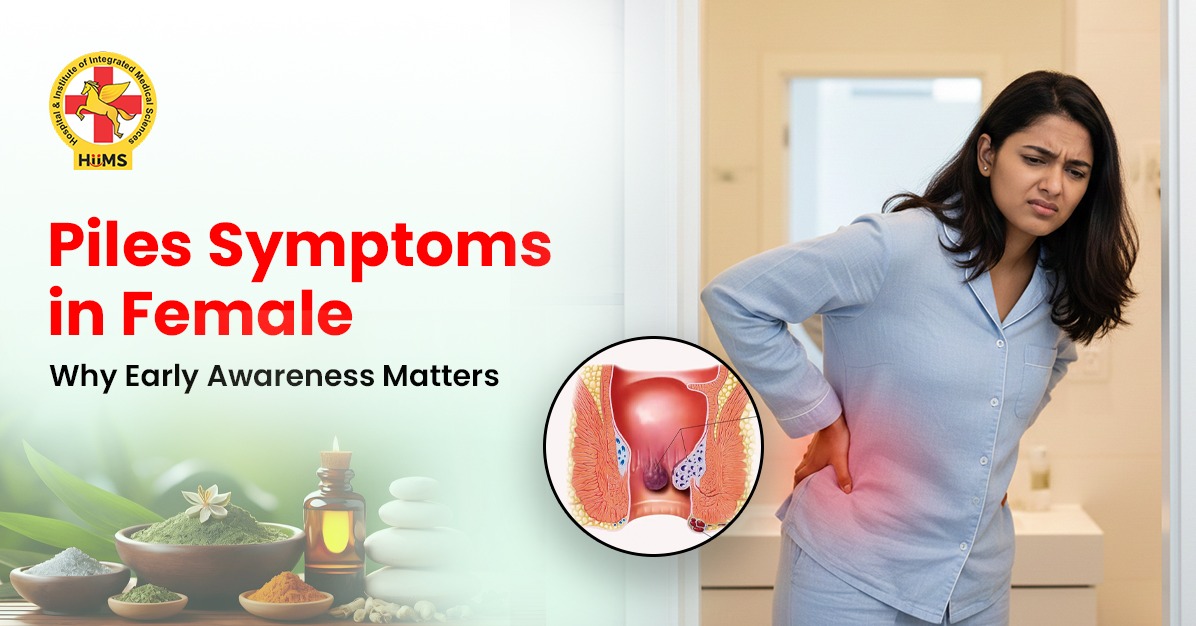
Piles, or hemorrhoids, are basically swollen veins around the anus or lower rectum. They may form inside or outside. Anyone can get them, but women face extra triggers like hormonal changes, pregnancy, long sitting hours, and constipation. People often ask, how do piles start in females? And the truth is simple. They start quietly, with repeated strain on the anal veins.
Common Causes of Piles in Women
Pressure builds up in the rectal veins for many reasons. Some are obvious. Some not so much. In women, these are common:
Chronic constipation
Straining during bowel movements
Pregnancy (especially in the 3rd trimester)
Hormonal shifts before periods
Long sitting hours-office work, driving
Low-fiber diet
Obesity or low activity
Heavy lifting
Postpartum weakness
None of this is unusual. Which is exactly why piles are more common than we think.
Early Symptoms of Piles In Female
Early piles symptoms in female feel mild. Easy to overlook. But these signs actually matter the most, because this is the stage when piles are easiest to manage. Watch for these women's pile signs:
Itching around the anal area
Mild burning after passing stool
A bit of blood on toilet paper
Feeling like you didn’t empty completely
A tiny lump that pops out then goes back in
Discomfort sitting on firm chairs
More itching before periods
Small signs, big message. Your body is nudging you.
Advanced Piles Symptoms in Women
If common piles symptoms are ignored, symptoms usually grow stronger. More stubborn.
Persistent itching
Sharp pain during stool
Swelling or a painful lump
Mucus-like wetness
Blood dripping into the pot
Difficulty sitting comfortably
A lump that stays outside
At this stage, most women finally say, Okay, something’s wrong. But catching it earlier is always better.
When to See a Doctor
You should reach out if:
Bleeding lasts several days
Pain becomes severe
A lump feels hard or turns bluish
Home remedies aren’t helping
Bowel habits become irregular
A timely diagnosis prevents complications like thrombosed piles or infection.
Why People Prefer Jeena Sikho HiiMS
Patients often mention things like:
They look at the whole body, not just the piles.
The approach feels gentle.
I didn’t feel rushed.
Detox therapies actually made a difference.
It’s not just treatment-it’s guidance, emotional support, and a shift toward healthier living.
Home & Lifestyle Tips for Managing Piles
Simple, practical, and actually helpful:
Drink warm water often
Eat more fiber
Avoid hard sitting surfaces
Walk 20-30 minutes daily
Don’t strain
Respond to bowel urges immediately
Use a footstool for better toilet posture
Reduce spicy/oily foods
Conclusion
Piles symptoms in female start small and almost unnoticeable They’re worth listening to. When you catch them early, you fix habits, improve digestion, and save yourself from serious discomfort later. Whether you choose modern medical care or the natural, root-focused Jeena Sikho HiiMS approach, the goal remains the same-comfort, relief, and long-lasting wellness.
If symptoms are affecting your daily life, don’t wait too long. Just take the first step. Call +918048035688 or email care@jeenasikho.com to book your consultation.
For personalized guidance, connect with Jeena Sikho HiiMS doctors.
FAQs
1. How do piles start in females?
Most cases are linked to constant constipation, pushing too hard during bowel movements, the pressure of pregnancy, or natural hormonal changes that weaken vein support.
2. Are piles common in women?
Especially during pregnancy, postpartum, or in desk-job lifestyles.
3. Can early piles symptoms fade naturally?
In many cases, symptoms ease once you adjust your diet, increase your water intake, and improve bowel habits at the right time.
4. Are piles and fissures the same?
A fissure is a tear, but piles are swollen veins.
5. Does Jeena Sikho HiiMS offer natural treatments?
Basti, Kshar Sutra, detox plans, diet correction, and lifestyle guidance-focused on root-cause healing.