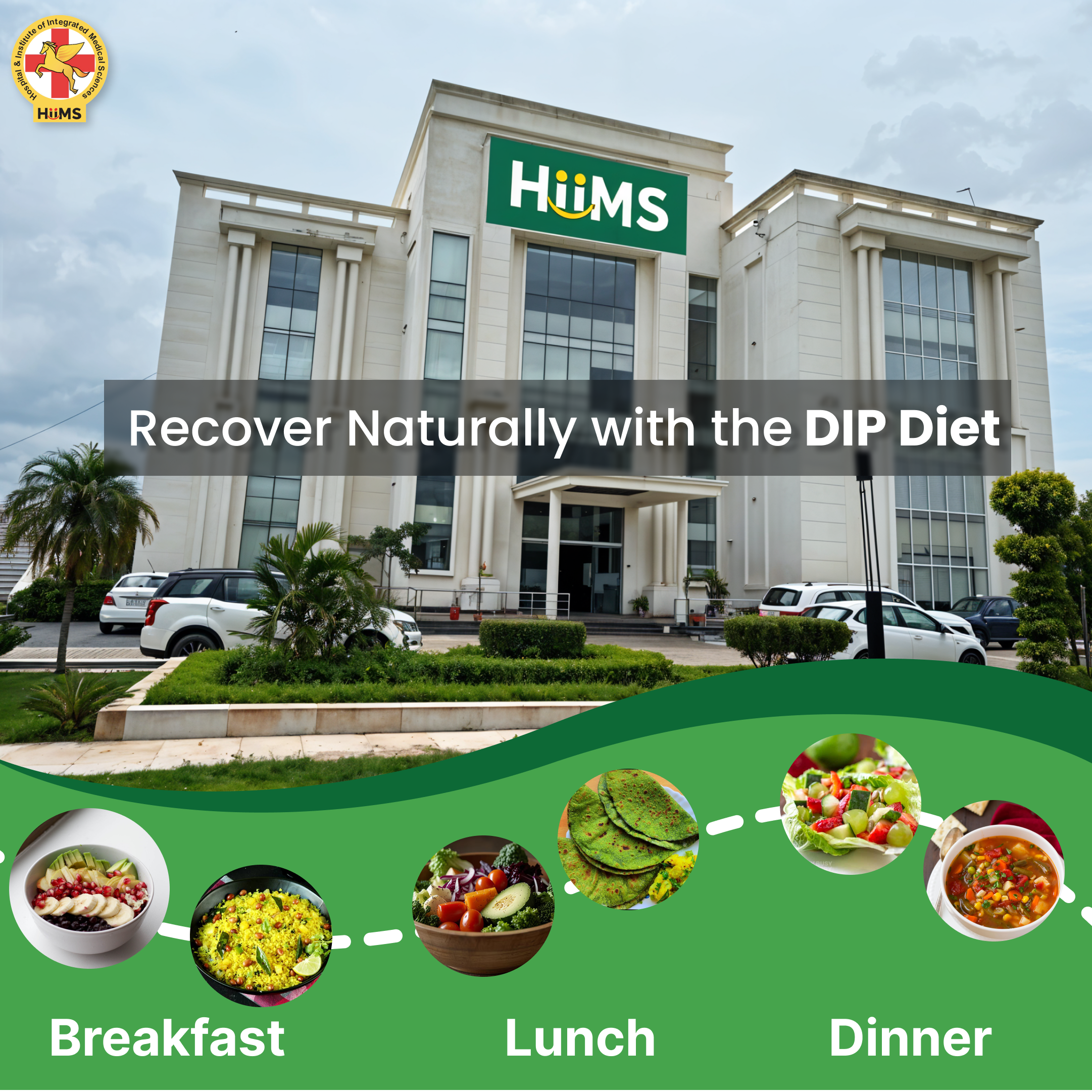
Recover Naturally with the DIP Diet: Insights from HiiMS Panchkula
The current fast-paced environment results in health deterioration because people make unhealthy food choices and lifestyles. Healing naturally becomes achievable through proper diet and the right approach. The DIP Diet (Disciplined and Intelligent Person\'s Diet) represents a revolutionary dietary system that Dr. Biswaroop Roy Chowdhury embraces as its creator.
By consuming unprocessed natural whole foods people can nourish their bodies while enabling self-recovery processes. As part of its HiiMS Panchkula Diet Plan, the organization has integrated the DIP Diet to assist people in reaching nutritional balance and life wellness.
This review focuses on the DIP Diet plan through an evaluation of its distinctive characteristics together with practical application guidelines and its essential advantages.
What is the DIP Diet?
The DIP Diet presents a system for eating that provides instructions on how to consume natural plant-based foods properly. This dietary approach features natural produce along with nuts and seeds and minimal vegetarian dishes and prohibits both processed and unhealthy food items.
Dr. Biswaroop’s approach is simple yet powerful. The body needs wholesome nutrient-rich foods which provide both easy digestion and sustained energy. The nutrition plan matches natural principles by eliminating synthetic additives which enables your body to restore itself naturally and flourish.
Why is Balanced Nutrition Important?
The proper consumption of essential nutrients including proteins and carbohydrates and fats and vitamins and minerals at optimal amounts defines balanced nutrition. Without proper nutrition, the body develops a higher vulnerability to fatigue while facing decreased immunity and increased risks of chronic diseases.
The DIP Diet promotes balanced nutrition by focusing on:
Natural, whole foods.
Eat foods that avoid processed products sugar and oil.
The diet plans meals that promote digestive health and natural body cleansing.
How to Follow the DIP Diet: A Step-by-Step Guide
You can begin the DIP Diet easily without needing complex meal preparation methods. The time you choose to eat meals affects your digestive system and metabolism while promoting your general health. The body shows better nutrient absorption and avoids digestive system overload when food is consumed during the recommended eating period.
Breakfast (7 am - 9 am):
Begin your day with Body Weight X 10g of raw seasonal fruits that should include around three to five different types of fruit. These fruits provide energizing elements. Your body cleanses effectively through water fiber and natural sugars that provide energy for daily activation. You should combine these normal homemade millets to achieve the right balance of carbs and proteins.
Lunch (1 pm - 2 pm):
Eating Body Weight X 5g of raw seasonal vegetables constitutes the primary component of your lunch portion. Keep these vegetables to a maximum of 3-5 different types. Combined with normal home-meal millets these vegetables create a nutritious but low-calorie meal that fills your stomach while reducing your overall food consumption. Eating this diet helps you avoid extra calorie intake but delivers all the necessary nutrients your body requires.
Dinner (Before Sunset):
Without dinner, you should eat Body Weight X 10g of 3-5 different types of raw seasonal fruits and vegetables. A light dinner eaten early helps digestion work better while also boosting your metabolism and leading to peaceful sleep. The preferred option for a light dinner includes Body Weight X 5g of raw seasonal fruits and vegetables which you can eat with a vegetable soup. A combination of small portions serves the body\'s nutritional needs for recovery while being easy on digestion.
Your overall metabolic health receives beneficial effects when you structure your meal timing with portion control because it both improves digestion capabilities and helps you eat fewer calories.
Fruits and raw vegetables on Plate 1 occupy the first position in the DIP Diet because they are light foods that promote digestion, help us avoid excessive eating, and stabilize blood sugar levels.
Once the stomach feels ready for heavier foods we move onto Plate 2 (cooked meals) for its energy-giving carbohydrates and proteins. Eating Plate 1 before Plate 2 facilitates digestion and helps your body absorb nutrients better which automatically decreases your portions when you eat Plate 2. The ordered meal pattern helps people maintain nutritional balance along with better overall wellness.
Choosing healthy snacks that include nuts seeds sprouts and coconut water will help you manage your hunger between regular meals.
Your energy balance requires that you stay away from junk food as well as sugary snacks.
Health Benefits of the DIP Diet
The DIP Diet is a powerhouse of health benefits, making it a go-to choice for those seeking natural healing:
Enhanced Digestion: The consumption of high-fiber foods maintains digestive health while stopping conditions such as bloating from occurring.
Sustained Energy: Plants provide natural carbohydrates alongside proteins to supply you with energy that lasts throughout your day.
Weight Management: Natural weight loss occurs when you eat foods that are both low in calories and high in dietary fiber according to the DIP Diet guidelines.
Reduced Risk of Chronic Diseases: The elimination of processed foods and inflammatory foods helps stop conditions like diabetes, heart disease and hypertension.
Detoxification: The body maintains organ health while detoxifying through the consumption of fruits and vegetables which remove toxins from the system.
Improved Immunity: The body develops stronger mechanisms to fight diseases when people consume nutrient-dense foods.
What Foods to Avoid in the DIP Diet?
To fully embrace the DIP Diet, avoid the following:
Meat and Dairy: Hard-to-digest foods produce inflammation in the body.
Processed Foods: Ready-to-eat food products and chips and cookies provide no nutritional value to the body while causing damage to its systems.
Sugary Drinks and Alcohol: The consumption of these foods brings unnecessary calories while disturbing metabolic processes.
The body needs complete plant-based foods that provide nutrients while assisting in restoration.
Conclusion
The DIP Diet serves as a lifestyle system that enables both natural healing and optimal health improvements. Seasonal fruits combined with raw vegetables and light vegetarian meals give your body essential tools to achieve better health outcomes. The HiiMS Panchkula Diet Plan combines DIP Diet principles to help people obtain sustainable health benefits including higher energy levels and enhanced digestion and disease protection. Select the DIP Diet as your entry point toward balanced nutrition because your body will reward you with better health.
At HiiMS Panchkula, discover the transforming potential of holistic therapy and set out on a path to improved health and energy. If you need any help, call us at 82704-82704 or email us at care@jeenasikho.com – we\'re here to help!
FAQs
Q1. Who created the DIP Diet?
Dr. Biswaroop Roy Chowdhury designed the DIP Diet to help individuals heal naturally through balanced nutrition.
Q2. Can I eat snacks on the DIP Diet?
Yes, snacks like nuts, seeds, and dry fruits are encouraged for their nutritional value and energy boost.
Q3. Why should dinner be eaten before sunset?
Eating early improves digestion and aligns with the body’s natural rhythms, enhancing overall health.
Q4. Is the DIP Diet suitable for weight loss?
Absolutely! Its focus on low-calorie, fiber-rich foods makes it effective for natural and sustainable weight loss.