We like to think our bodies are completely honest with us. When something goes wrong, we naturally expect a clear signal: a sharp pain, a sudden fever, or a wave of unmistakable exhaustion. But when it comes to high blood pressure symptoms, your body can play things incredibly close to the chest, working overtime behind the scenes without making a sound.
That deep silence is precisely why medical professionals around the world call it the silent killer. Millions of people go about their daily routines feeling completely fine, entirely unaware that their blood vessels are under constant, wearing strain. Let’s discuss high BP symptoms.
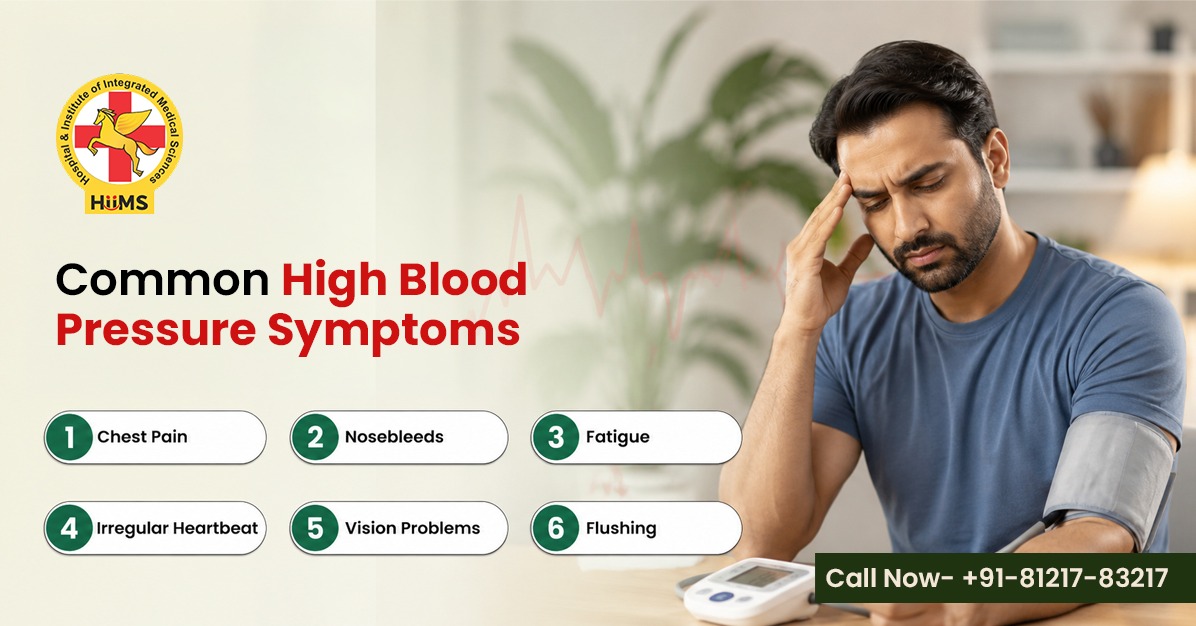
High Blood Pressure Symptoms
Because the symptoms of hypertension are often incredibly vague, it is so easy to blame them on a poor night's sleep, a stressful afternoon at the office, or just the natural process of getting older. But brushing them aside gives the condition more room to quiet down and cause long-term internal wear.
Let’s talk about ten specific warning signs that mean it is time to stop guessing, pull out the monitor, and check your actual numbers.
1. Those Early Morning, Throbbing Headaches
We all get headaches from time to time, but a high-pressure headache has a very specific personality. It tends to strike you right as you wake up, causing a dull, throbbing sensation localized at the back of your head. This happens because the natural pressure buildup strains the blood vessels protecting your brain.
2. Sudden Waves of Dizziness
If you stand up from your couch and suddenly feel like the room took a half-step to the left, don't just shrug it off. While a quick dizzy spell can happen from minor dehydration, it is also among the classic high BP symptoms caused by uneven or altered blood flow heading upward.
3. Finding Yourself Short of Breath
Are you suddenly feeling winded after climbing a single, ordinary flight of stairs? When internal resistance increases, your heart muscle has to push harder to move blood through your system that leaves your lungs feeling like they can't quite keep up with simple movements.
4. A Heavy Tightness in Your Chest
A persistent, heavy feeling in your chest area is a direct, loud message that your cardiovascular system is working way too hard and struggling to get sufficient oxygen. This is one of those critical symptoms of high blood pressure that requires immediate, real-world attention rather than a wait-and-see attitude.
5. Blurred Vision or Drifting Spots
Your eyes are home to a massive network of incredibly tiny, delicate blood vessels. If the systemic pressure continues high for a while, these little blood vessels may become dilated or leaky, causing sudden, unexplainable blurring or weird little dots drifting across your field of vision.
6. A Racing or Fluttering Heart
You may have an unexpected thumping or weird fluttering sensation in the center of your chest. These are abnormal heart palpitations that develop when your whole circulatory loop is fighting to keep up its smooth, constant rhythm against high arterial resistance.
7. Persistent Fatigue and Mental Fog
When you live with a body that is always fighting internal pressure, you burn through your energy stores more quickly than you think. If you are receiving a full 8 hours sleep but yet feeling constantly tired or unable to focus on simple, everyday activities, your system may be waging an invisible war.
8. Unprovoked Nosebleeds
This one is a little less common, but you can get nosebleeds that come out of nowhere when the thin, fragile capillaries that line your nasal passages just can't take the increased internal pressure, and they pop.
9. A Constant Ringing in Your Ears
A persistent, annoying buzzing, whistling, or ringing sound in your ears often called tinnitus isn't always an ear problem. It can actually be the literal sound of your own blood rushing too quickly through strained vessels located right next to your auditory nerves.
10. Strange Blood Spots in Your Eyes
Waking up, looking in the mirror, and noticing a bright, stark red spot on the white part of your eye can be alarming. Known as a subconjunctival hemorrhage, this often occurs when a tiny, superficial blood vessel pops due to a sudden, sharp spike in your pressure.
Conclusion
Learning to read your body’s unique, quiet language is the very first step toward building a vibrant, long life. Recognizing these foundational high blood pressure symptoms allows you to make mindful adjustments long before a minor warning turns into a scary medical emergency. Your personal wellness journey doesn't have to be a path filled with anxiety, rigid restrictions, or fear.
With the right lifestyle shifts, natural therapies, and steady guidance, you can support your heart and reclaim your natural vitality. For personal guidance, you can also opt for a VOPD consultation with expert doctors at Jeena Sikho HiiMS Lucknow and take the next step with more confidence, safely forward.

FAQ’s
1) Can you walk around with high blood pressure symptoms without noticing?
Yes, absolutely. A vast number of people experience zero obvious high blood pressure symptoms for years on end. This is exactly why regular, routine checks are the only definitive way to know your true numbers and keep your long-term health safe.
2) What tends to trigger a sudden flare-up of high BP symptoms?
Sudden rises can be caused by acute mental stress, days without sleep, a diet high in processed foods with concealed salt, or extreme dehydration.
3) How does the holistic healing perspective approach the symptoms of hypertension?
Holistic traditions say you have a serious imbalance of internal energy and a build-up of metabolic waste in your body.
4) Are morning headaches a definitive sign of elevated pressure?
Not every single time, but morning headaches are very characteristic of high BP symptoms. Your blood pressure naturally begins to climb while you are resting and tends to peak during the early hours of the day, causing that distinct morning discomfort.
5) Can simple changes in my routine actually reverse these symptoms?
They certainly can. Transitioning toward a clean, plant-based diet, adopting simple stress-relief practices like deep breathing, and keeping your body moving can dramatically reduce the daily symptoms of hypertension while giving your arteries room to relax.