Your heart works non stop every second, pumping oxygen rich blood through thousands of miles of blood vessels to feed every cell in your body. It is a very resilient organ but it requires a balanced environment to function smoothly.
Blood pressure is one of the major factors affecting cardiovascular function. If the pressure inside the arteries remains high for a long time, it causes a silent, constant strain on the heart muscle and blood vessels. Hypertension is often silent in its early stages, meaning millions of people carry high numbers without knowing the impact it takes on their bodies.
Taking control of high blood pressure and heart health early empowers you to act before permanent structural damage occurs. Understanding how pressure affects cardiovascular mechanics allows you to make informed daily choices that preserve your energy, vitality and long term health.
What Happens to Your Heart Under High Pressure
To understand how high blood pressure affects the heart, it helps to know the actual causes of heart problems. If the pipes become narrow, stiff, or clogged, the pump must work twice as hard to push the same volume of water through the system.
In your body, blood pressure represents the force exerted by circulating blood against the walls of your arteries
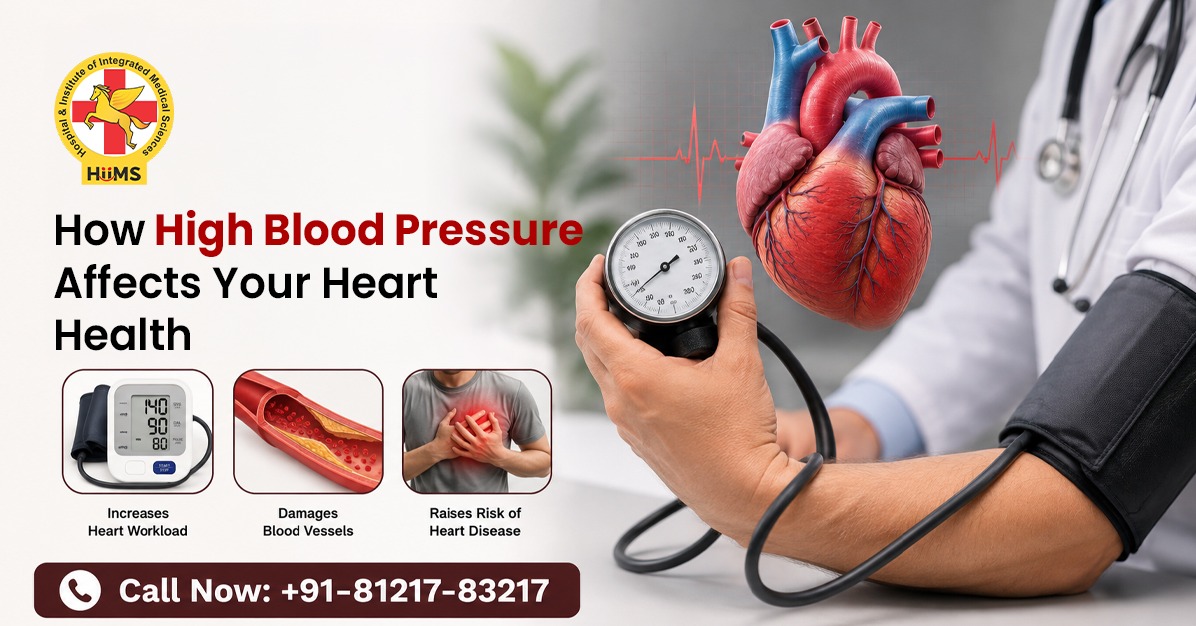
Increased Workload: When blood pressure is elevated, your heart's left ventricle the main pumping chamber has to contract with significantly greater force against high arterial resistance to circulate blood
Artery Stiffening & Micro-Tears: Persistent elevated pressure creates microscopic tears in the delicate inner lining of the arteries. Over time, these tiny injuries attract cholesterol, fats, and calcium, leading to plaque buildup that turns flexible blood vessels stiff and narrow
Reduced Oxygen Supply: As coronary arteries narrow and lose elasticity, less oxygen-rich blood reaches the heart muscle itself. This lack of oxygen may appear as a mild chest tightness, less stamina or fatigue showing clearly how important high blood pressure and heart health are to staying energetic every day.
Key Heart Complications Caused by Uncontrolled Hypertension
When arterial pressure remains high for years without intervention, the continuous overworked state leads to structural changes in the cardiovascular system. Understanding the long-term effects of high blood pressure on the heart highlights why early lifestyle management is essential
Left Ventricular Hypertrophy (Enlarged Heart)
Just as arm muscles grow larger when lifting heavy weights, the muscular wall of the heart's main pumping chamber thickens when forcing blood against high pressure. This helps the heart deal with the extra strain initially, but over time a thickened heart muscle becomes stiff and less elastic and less efficient at filling with blood between beats.
Coronary Artery Disease & Heart Attack
Toxin accumulation by high pressure restricts blood flow through the coronary arteries. If the buildup bursts, a blood clot can form and block blood flow entirely, resulting in a heart attack.
Heart Failure
Years of constant overworking cause the heart muscle to gradually weaken or become too rigid to pump effectively. When this happens, fluid begins to build up in the lungs, ankles and legs, causing chronic fatigue and breathlessness.
Arrhythmias (Irregular Heartbeats)
The high pressure causes stretching and scarring of the structure which can interfere with the heart’s natural electrical wiring. This often causes irregular heart rhythms such as atrial fibrillation which increases the risk of blood clots and stroke.
Early Warning Signals & The Risks of Uncontrolled High Blood Pressure
Hypertension has famously earned the title of a silent killer because it often develops quietly over decades. However, paying close attention to subtle physical signals can help you catch cardiovascular strain early.
High blood pressure usually has no obvious warning signs but severe spikes or years of pressure can cause symptoms like
Recurrent morning headaches or pressure behind the eyes.
Shortness of breath during mild daily activities like climbing stairs.
Unexplained physical fatigue or sluggishness
Occasional chest tightness, heart palpitations or a pounding sensation in the neck or ears
Mild dizziness or lightheadedness when standing up quickly
Ignoring these early signals highlights the serious risks of uncontrolled high blood pressure. Unmanaged hypertension does not remain isolated to the heart, it progressively damages delicate blood vessels throughout the kidneys, eyes, and brain.
Because you cannot feel your blood pressure on a daily basis, routine monitoring at home or during regular wellness checkups is the single most reliable way to track your cardiovascular health and intervene early.
How to Protect Your Heart and Manage Pressure Naturally
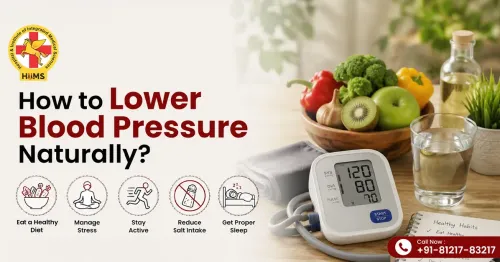
Protecting your heart is not about quick fixes, it is about adopting consistent, restorative daily habits that reduce arterial resistance and support vascular health over time
Heart-Healthy Nutrition: Focus on a nutrient-rich, low-sodium, plant-forward diet abundant in fresh vegetables, whole grains, fruits, nuts, and seeds. Foods rich in potassium, magnesium, and dietary fibre naturally help relax blood vessel walls and support healthy fluid balance.
Managing Stress & Nervous System Balance: Long term mental and emotional stress results in the constant release of stress hormones, including cortisol and adrenaline. These hormones narrow blood vessels and raise your heart rate. Daily practice of meditation, deep breathing exercises (Pranayama) and taking time out to de-stress keeps the nervous system in a relaxed, restorative state
Physical Activity & Rest: Practice some gentle daily movement such as 30 minutes brisk walking, swimming or Yoga. Regular physical activity helps to keep blood vessels flexible and helps lower blood pressure. Getting 7 to 8 hours of quality sleep is equally important, it allows your heart rate and blood pressure naturally drop overnight.
Conclusion
Understanding long term effects of high blood pressure on the heart allows you to take charge before serious complications develop. Hypertension is a manageable condition, and catching elevated numbers early gives your blood vessels and heart muscle the opportunity to rest, heal and regain strength.
If you want to address the root causes for deep, lasting support for high blood pressure and heart health, choosing an Ayurvedic approach is effective. Ayurvedic care centres like Jeena Sikho HiiMS Lucknow focus on this root cause approach using therapies like Panchakarma, Ayurvedic herbs and personalised heart healthy diet to help restore arterial elasticity and reduce strain on the heart naturally.
Prioritise your high blood pressure and heart health today. Schedule a VOPD (video consultation) with Jeena Sikho HiiMS Lucknow expert and consult their healthcare professional to create a personalised natural wellness plan that keeps your heart strong for years to come.

FAQs
Q1. How exactly does high blood pressure affect the heart over time?
Persistent high pressure forces the heart muscle to pump with greater effort to circulate blood. Over time, this extra strain causes the heart muscle to thicken, stiffen and weaken, while simultaneously damaging artery walls and accelerating plaque buildup.
Q2. Why does elevated blood pressure make you feel tired?
When blood pressure is consistently high the heart works harder while delivering oxygen and nutrients less efficiently to your tissues. This continuous stress on the cardiovascular system often results as chronic physical fatigue.
Q3. How often should I monitor my blood pressure at home?
If you have been diagnosed with hypertension or are actively working to lower your numbers, it is generally recommended to measure your blood pressure twice daily, once in the morning and once in the evening, or as advised by your healthcare provider.
Q4. What are the primary risks of uncontrolled high blood pressure?
Leaving high blood pressure unmanaged significantly increases the risk of serious health events, including heart attacks, heart failure, stroke, chronic kidney disease, vision loss and vascular dementia.