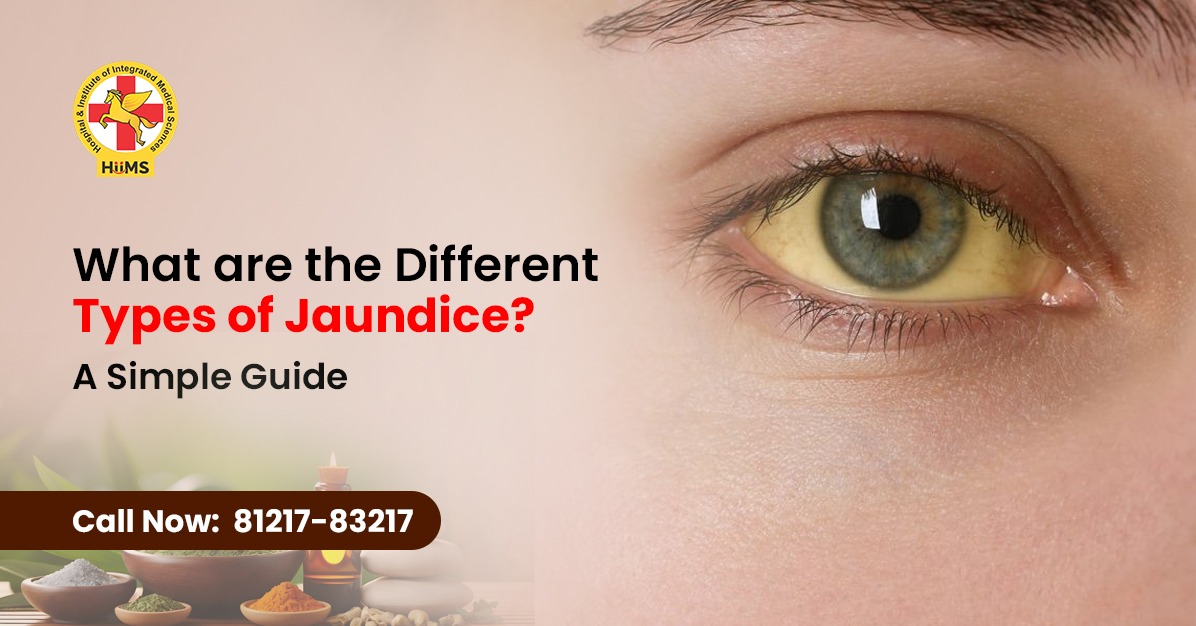
Jaundice is a condition in which the skin and eyes slowly start looking yellow. At first, this change can make a person feel a bit uneasy or even confused. But once the reason behind it becomes clear, things start to feel more under control. Jaundice is not actually a disease; it is more of a signal. It shows that something inside the body is not working properly, mainly the liver. The liver helps clean the blood, and when it is not able to do that well, bilirubin slowly starts building up.
There are different types of jaundice, and each type has a different cause behind it. Learning about these types makes it easier to understand the condition and decide what step to take next. These days, many people are slowly moving towards natural healing methods along with proper care. At hospitals like Jeena Sikho HiiMS Lucknow, a balanced approach is followed where focus is given to the root cause and better lifestyle habits.
In this guide, we will talk about the different types of jaundice in easy and simple words so that anyone can understand it properly and take the right step.
What Is Jaundice in Simple Words
Jaundice starts when too much bilirubin builds up in the bloodstream. Bilirubin is formed when old red blood cells break down. Normally, the liver processes it and removes it from the body through bile.
But when this process gets disturbed, bilirubin starts building up. This causes a yellow colour in:
Eyes
Skin
Nails
Other signs may include tiredness, dark urine, and loss of appetite.
Main Types of Jaundice
There are three main types of jaundice, based on where the problem is happening in the body.
1. Pre-Hepatic Jaundice
In this condition, red blood cells break down too fast. Because of this, the liver gets more bilirubin than it can handle.
Common causes:
Blood disorders
Infections
Malaria
What happens:
The liver is actually working fine, but it gets overloaded.
2. Hepatic Jaundice
Here, the liver itself is not working properly. So it cannot process bilirubin in the right way.
Common causes:
Liver infection (like hepatitis)
Alcohol damage
Fatty liver
What happens:
The liver becomes weak and cannot clean the blood properly. This is one of the most common types of jaundice seen in adults.
3. Post-Hepatic Jaundice
In this case, bilirubin is processed by the liver, but it cannot leave the body due to a blockage.
Common causes:
Gallstones
Blockage in the bile ducts
Tumors
What happens:
Bilirubin gets stuck and starts building up again.
Common Symptoms You Should Notice
No matter which of the types of jaundice you are dealing with, some symptoms are common:
Yellowing of eyes and skin.
Weakness and tiredness.
Loss of appetite.
Nausea.
Dark urine.
Light-colored stools.
Noticing these signs at an early stage can make it easier to deal with the condition properly.
How Is Jaundice Managed?
The approach to jaundice treatment depends on the type and cause. Rather than just focusing on symptoms, it becomes important to understand the actual root issue.
At Jeena Sikho HiiMS Lucknow, the main focus is on natural healing methods that help the liver work better and keep the overall body function in balance.
Natural and Supportive Care
Nowadays, people often select ayurvedic treatment for jaundice because it works on improving liver strength step by step in a natural way.
Some common methods include:
1. Herbal Support
Certain herbs are known to help in liver care and detox.
2. Diet Changes
Simple and light food helps the liver recover faster.
Fresh fruits
Green vegetables
Coconut water
3. Proper Hydration
Drinking enough water helps in flushing out toxins.
4. Adequate Rest
The body needs proper rest to heal naturally.
This type of treatment for jaundice does not act fast, but it helps the body heal in a steady and lasting way.
Why Knowing the Type of Jaundice Matters
Not all jaundice cases are the same. That is why knowing the exact types of jaundice is very important.
It helps in choosing the right care
It avoids unnecessary treatments
It improves recovery chances
Many people ignore early signs, which later makes the condition worse. Simple awareness can prevent complications.
Role of Lifestyle in Recovery
Healing does not depend only on medicines. Daily habits also play a big role.
Here are some simple steps:
Eat on time.
Avoid oily and heavy food.
Stay active, but do not overwork.
Get enough sleep.
These small changes support any jaundice treatment plan and help the body recover better.
When Should You Take It Seriously?
You should not ignore jaundice if:
The yellow color is increasing
A fever is present
Pain in the abdomen is severe
You feel very weak
At this point, getting the right guidance really matters. Hospitals like Jeena Sikho HiiMS Lucknow offer consultation through VOPD, where you can speak directly with experts and clearly understand your condition.
A Balanced Approach to Healing
Rather than depending on quick solutions, many people are now moving towards a balanced way of healing. This includes:
Understanding the root cause
Following natural methods
Making lifestyle changes
This is where ayurvedic treatment for jaundice becomes helpful, as it looks at the entire body and not only the symptoms.
Conclusion
Jaundice may look like a small issue at first, but it should not be ignored. Understanding the different types of jaundice helps you take the right steps at the right time.
A natural and steady approach often gives better long-term results. With simple lifestyle changes, proper diet, and guided care, the body can heal in a better way. Jeena Sikho HiiMS Lucknow focuses on such a balanced path where the aim is to work on the root cause, not just the surface problem.
If you are dealing with symptoms or want guidance, you can call +91 8121783217 and take the first step toward better health.
FAQs
1. What is the main reason behind the yellowing of the skin?
It happens when a yellow substance called bilirubin builds up in the blood.
2. Why do the eyes turn yellow first?
The white part of the eyes shows a color change quickly when bilirubin increases.
3. Can this condition go away on its own?
Mild cases may improve, but proper care is still important.
4. What foods should be avoided?
Oily, spicy, and heavy foods should be avoided.