Liver health problems have increased drastically in the world due to poor eating habits, high intake of ultra-processed foods, and a sedentary lifestyle. One of the most common is Fatty Liver Disease. When your body starts developing too much fat in the cells of your liver, your liver’s ability to filter toxins, control metabolism, and process nutrients is severely limited. But clinical studies show the unique ability of the liver to regenerate and heal itself. By adopting a disciplined fatty liver diet, you can reverse this condition completely before it escalates into permanent tissue damage.
Reversing a fatty liver does not require relying heavily on synthetic medications. Instead, clinical research demands a clear understanding of what fuel your body needs to heal and what toxins it must avoid. This blog breaks down the absolute best foods for fatty liver recovery and the critical items you must cut out.
Foods to Eat In a Fatty Liver
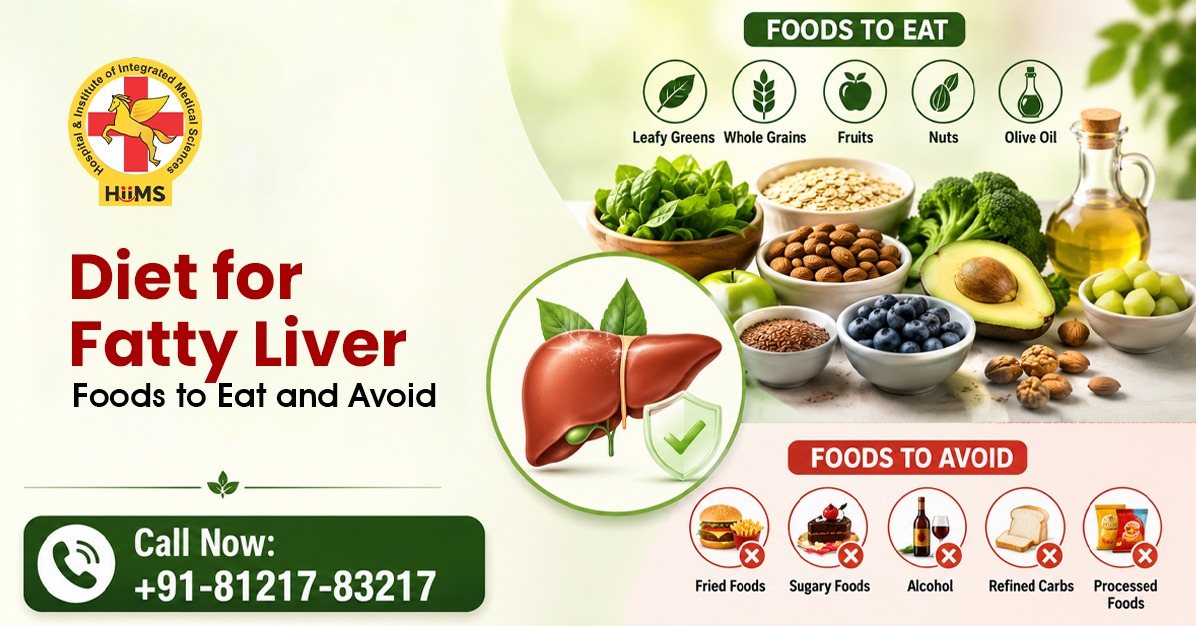
To melt away accumulated fat within your liver cells, your daily meals must be packed with nutrients that accelerate the liver’s natural detoxification pathways. Choosing the right foods to eat in fatty liver recovery reduces the metabolic load on your digestive system, lowers cellular stress, and provides the raw materials your body needs to rebuild healthy liver tissue.
Based on clinical nutritional studies, make sure to heavily feature the top foods for fatty liver in your daily routine:
Green Leafy Vegetables
Vegetables like spinach, kale, and mustard greens are exceptionally high in antioxidants, chlorophyll, and essential micronutrients that help suppress fat buildup. They help the body remove wastes and protect the liver cells from oxidative stress. Clinical studies show that the compounds in these greens help in decreasing the accumulation of triglycerides in liver tissues.
Cruciferous Vegetables
Broccoli, Brussels sprouts and cabbage contain natural sulphur-based compounds called glucosinolates that stimulate the liver's detoxifying enzymes. Studies show that these veggies help lower fat scores, protect from cellular damage and lower the risk of fatty liver growth. They’re also good for long-term weight management as they’re high in fibre and keep you feeling full.
Complex Carbohydrates & Whole Grains
Replace refined carbohydrates with oats, quinoa, dalia and brown rice. These grains are loaded with beta-glucans and dietary fibre, which improve insulin sensitivity and slow down the absorption of glucose in the intestine. Keeping your blood sugar stable directly prevents insulin spikes, halting the metabolic mechanism that forces your liver to convert excess sugar into emergency storage fat.
Healthy Fats (Omega-3 Fatty Acids)
Including small portions of walnuts, flaxseeds, chia seeds, and premium cold-pressed olive oil in your fatty liver diet provides the body with anti-inflammatory omega-3 fatty acids. Clinical trials consistently show that Omega-3s assist in reducing liver fat scores, lowering low-density lipoprotein (LDL) cholesterol, and calming inflammation within liver tissue.
Natural Hydration & Unsweetened Green Tea
Drinking plenty of water daily keeps the kidneys and liver processing toxins efficiently. Green tea is rich in powerful antioxidants called catechins. Scientific studies have linked regular consumption of catechin-rich green tea to lower liver fat percentages, improved enzyme levels, and reduced oxidative stress on the hepatic system.
Foods to Avoid In a Fatty Liver
Eating healthy foods is only half the battle won; you must simultaneously stop introducing items to your fatty liver diet that actively injure your liver cells. Continued intake of the wrong foods triggers a cycle of chronic inflammation, causing fatty liver to advance into non-alcoholic steatohepatitis (NASH) or irreversible scarring (cirrhosis).
According to research focused on dietary triggers of hepatic steatosis, be absolutely strict about cutting out these specific foods to avoid in fatty liver:
Refined Sugars & High-Fructose Corn Syrup (HFCS)
Packaged fruit juices, carbonated sodas, energy drinks, candies, and commercial pastries are overloaded with industrial fructose. The liver is the only organ in the human body that processes fructose. When slammed with an excess amount, it instantly converts directly into fat drops that clog healthy cells, raise blood triglyceride levels, and trigger severe insulin resistance.
Trans Fats & Deep-Fried Foods
Fried snacks, commercial fast foods, and packaged items containing partially hydrogenated oils are cooked in heavily degraded, refined vegetable oils. These fats spark rapid oxidative stress within the liver, causing cell damage, elevating inflammatory markers, and driving the rapid progression of fat accumulation. They permanently slow down your metabolic rate and injure mitochondrial health in liver cells.
Refined White Flour & Bakery Items
White bread, pizza crusts, instant noodles, and commercial biscuits behave exactly like simple sugar once digested. They have a very high glycaemic index, causing sharp, sudden spikes in blood insulin levels. High insulin signals your body to aggressively pull fat out of the blood and pack it directly inside the liver tissues for emergency storage.
Packaged Savories & Excessive Sodium
Canned foods, processed meats, frozen meals, and market snacks contain massive amounts of sodium as a preservative. High salt intake disrupts fluid balance, alters osmotic pressure, and elevates cellular stress. Clinical studies indicate that excess sodium directly slows down the liver’s natural cell repair, cell division, and regeneration cycle.
Alcoholic Beverages
Alcohol is a direct, potent liver toxin. Whether your condition is medically classified as non-alcoholic or alcoholic, a compromised liver cannot handle the extra stress of ethanol processing. Alcohol metabolism produces acetaldehyde, a toxic chemical that destroys liver cells rapidly, forms scar tissue, and blocks fat oxidation. It must be completely avoided to allow the organ any chance of recovery.
Conclusion
Reversing a fatty liver does not require navigating a maze of chronic chemical medications. Your liver wants to heal; you simply need to remove the dietary obstacles and give it the right environment to repair itself through a clean lifestyle, a dedicated diet for fatty liver, and natural care.
If you are finding it difficult to manage your digestive health or want a natural approach to reverse your liver scores completely, the healthcare experts at Jeena Sikho HiiMS hospital Lucknow can help with their Ayurvedic healing approach. You can also conveniently book a virtual medical consultation through the HiiMS VOPD service. Receive expert, personalised lifestyle and nutrition guidance from the comfort of your own home to naturally restore your liver health.

FAQs
1. Can a fatty liver condition be completely cured by diet alone?
Yes, early stages such as Grade 1 and Grade 2 fatty liver are very reversible with a dedicated clean fatty liver diet, consistent weight control and healthy lifestyle changes backed by clinical research.
2 Is dairy milk considered safe to consume when trying to heal a fatty liver?
Full-fat dairy milk is heavy and difficult for a fat-heavy liver to break down. In recovery, it is highly recommended to switch to lighter plant-based options such as unsweetened almond milk.
3. What are the absolute quickest foods for fatty liver cell rejuvenation?
The best ways to speed up the detoxification of the liver are raw green vegetables, fibre-rich whole oats, foods high in omega-3 fatty acids and green tea.
4. How long does it take to see visible results when changing your diet?
With strict adherence to a liver-friendly diet and proper weight management, initial signs of metabolic improvement and reduction in liver fat can usually be observed within 3 to 6 months.