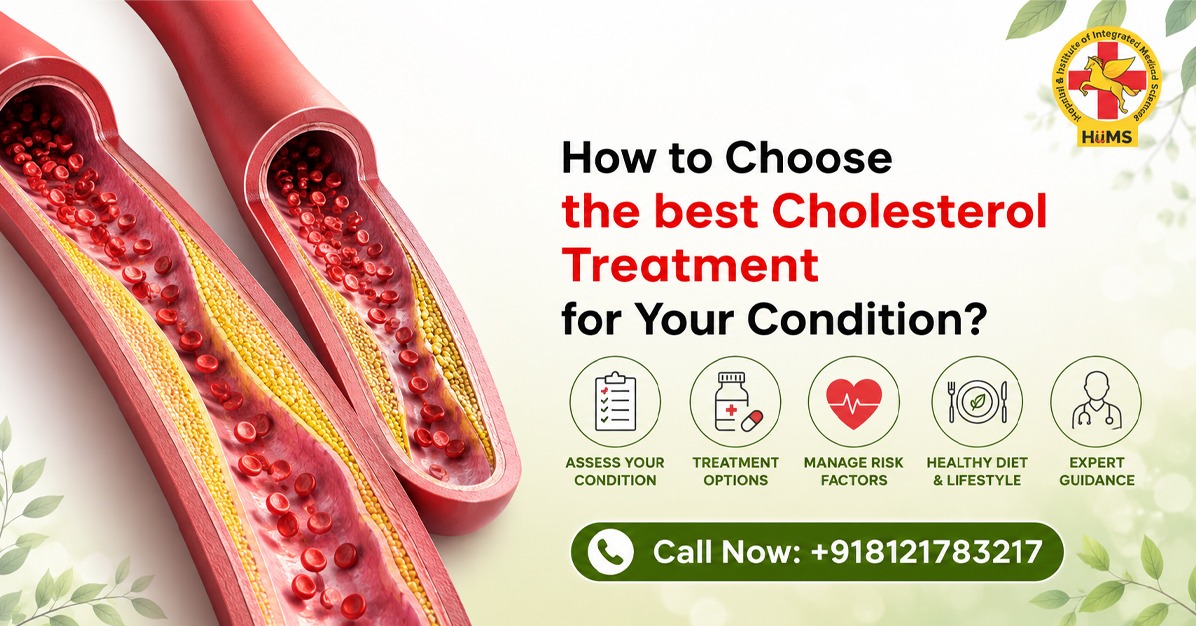
The problem with cholesterol is that most people never really pay attention to it until their blood test results come out showing an elevated amount. What is strange about this is the fact that high cholesterol rarely exhibits any symptoms at all. A person may feel completely normal and still have rising cholesterol levels quietly affecting heart health. This is why choosing the right approach to Cholesterol management matters.
Not everyone needs the same routine, diet, or level of medical support. Everybody is different when it comes to having a certain routine, diet, or even the level of intervention required to keep their health intact. Some may just require a change in diet, while others need constant supervision from a Cholesterol doctor, and so forth. It always helps to get to know yourself well.
What Is Cholesterol?
Cholesterol is a wax-like substance present in the blood. The body needs some cholesterol for normal functions, but too much LDL or “bad” cholesterol may slowly build up inside arteries. There are mainly two types:
LDL (bad cholesterol) – may increase the risk of blockage in blood vessels
HDL (good cholesterol) – helps remove extra cholesterol from the bloodstream
Triglycerides are another type of fat linked with heart health as well.
Common Cholesterol Causes
Many everyday habits can influence cholesterol levels over time. Some causes are lifestyle-related, while others may be genetic.
1. Unhealthy Eating Habits
Consumption of food items that have undergone processing or frying, high amounts of sugars, or saturated fats can increase the level of LDL.
2. Lack of Exercise
Sitting in the same place all day long can result in lowered levels of good cholesterol.
3. Stress and Inadequate Sleep
Stress and sleep deprivation might influence cholesterol in an indirect way.
4. Smoking and Excessive Consumption of Alcohol
Smoking can decrease levels of HDL, while too much alcohol will increase triglycerides.
5. Family History
Sometimes cholesterol levels are linked to genetics rather than lifestyle alone.
Cholesterol Symptoms People Often Ignore
One difficult thing about high cholesterol is that it usually develops quietly. Many people do not notice symptoms until complications appear. Still, in some situations, people may experience:
Tiredness during physical activity.
Chest discomfort.
Shortness of breath.
Leg pain during walking.
Fat deposits around the eyes in rare cases.
A lipid profile test is usually the best way to properly understand cholesterol levels.
How to Choose the Right Cholesterol Management Approach?
Understand Your Current Health Condition
Before choosing any routine, understand:
Your cholesterol levels.
Blood pressure status.
Weight and activity level.
Family history.
Existing conditions like diabetes or thyroid imbalance.
This gives a clearer picture of what type of cholesterol management may suit your condition better.
Focus on Sustainable Lifestyle Changes
Strict eating habits can be hard to maintain in the long run. Often, adopting an ideal balanced diet approach is more effective. Heart disease prevention advice generally includes:
Greater intake of fresh fruits and vegetables.
Eating whole grains and fibres.
Consuming nuts and seeds.
Less processed and fried food.
Simple food changes can slowly support healthier cholesterol balance.
Choose Physical Activities You Can Continue
Not everyone enjoys gym workouts, and that’s completely fine. Any form of exercise like walking, biking, stretching, yoga, and swimming might help maintain cardiac fitness. It is suggested that 150 minutes of moderate exercise every week will keep the heart healthy.
When Should You Consult a Cholesterol Doctor?
Others might attempt to control everything themselves for a considerable time span. However, if cholesterol continues to stay high after lifestyle modifications, then it is essential to seek professional advice. You should see a cholesterol doctor if you:
Have high levels of LDL.
Are a diabetic or suffer from hypertension.
Have a family history of heart disease.
You experience chest discomfort or fatigue.
Your reports show rising triglycerides.
In such cases, getting proper support matters. Centres like Jeena Sikho HiiMS also guide people with a natural and lifestyle-based approach. Here the doctors treat each patient as an individual and provide the personalised care and individual attention.
Natural and Wellness-Focused Support
Many people today also explore wellness-focused approaches alongside medical advice. This may include:
Mindful eating habits.
Weight balance.
Stress management practices.
Better sleep routine.
Regular monitoring of cholesterol levels.
Some healthcare centres, including holistic wellness institutions, also focus on lifestyle-based support rather than only symptom-focused care.
About Jeena Sikho HiiMS
In Jeena Sikho HiiMS, a wellness-based approach can be adopted wherein factors like lifestyle, diet, and balance are often considered in addition to conventional medical knowledge.
For those searching for alternative means of cholesterol management, such places may help them find directions towards making lifestyle changes and following a balanced wellness path. The concept here is to consider cardiac wellness from a holistic point of view as opposed to taking temporary steps.
Their approach usually encourages individuals to understand their daily habits better and gradually move toward healthier choices that may support long-term well-being.

Conclusion
Managing cholesterol is rarely about one single solution. What works for one person may not work the same way for another. This is why it is important to know your body, lifestyle, and risk factors. Maintaining an optimal diet, exercise, stress reduction, and visits to a cholesterol doctor can all be included in the lifestyle strategy. In case you feel concerned about cholesterol causes or cholesterol symptoms, you may consider making some simple and feasible changes before it gets too late.
FAQs
1. Is high cholesterol possible among young individuals?
Lifestyle, stress, and hereditary background may lead to high cholesterol even during the early stages of life.
2. Are the symptoms of high cholesterol easily recognizable?
Many times, high cholesterol has no clear symptoms from the beginning.
3. What types of foods should one eat to maintain their cholesterol in good shape?
Foods that are rich in fiber, fruits, vegetables, nuts, oats, and healthy fats are recommended for maintaining cholesterol levels.
4. Is walking helpful in Cholesterol control?
Walking and being physically active is known to benefit the heart in general.
5. When should one see a cholesterol doctor?
When cholesterol levels stay high, or any other heart risks exist.
Many times, high cholesterol has no clear symptoms from the beginning.
Foods that are rich in fiber, fruits, vegetables, nuts, oats, and healthy fats are recommended for maintaining cholesterol levels.
Walking and being physically active is known to benefit the heart in general.
When cholesterol levels stay high, or any other heart risks exist.