In daily life, people often feel tired, notice digestion problems, or see changes in appetite and think it is just normal weakness. Over time, these signs can actually show that the body is not working in balance. Jaundice often begins in the same way, with small and easily ignored changes that slowly signal stress inside the body. It is not an illness that appears on its own, but a sign that the liver is under stress and struggling to handle its normal work. When the liver slows down, changes begin to show on the skin, eyes, and even in the way the body feels through the day.
The good part is that the body gives enough time and signals to act, if one pays attention early. Proper jaundice treatment, supported by sensible food habits and careful daily routines, allows the liver to regain strength gradually. And remember that recovery does not happen overnight, but regular care makes a clear difference. In this blog, you will understand what jaundice is, recognise its signs, learn about diet and care, and know when professional support becomes important for safe recovery.
What Is Jaundice?
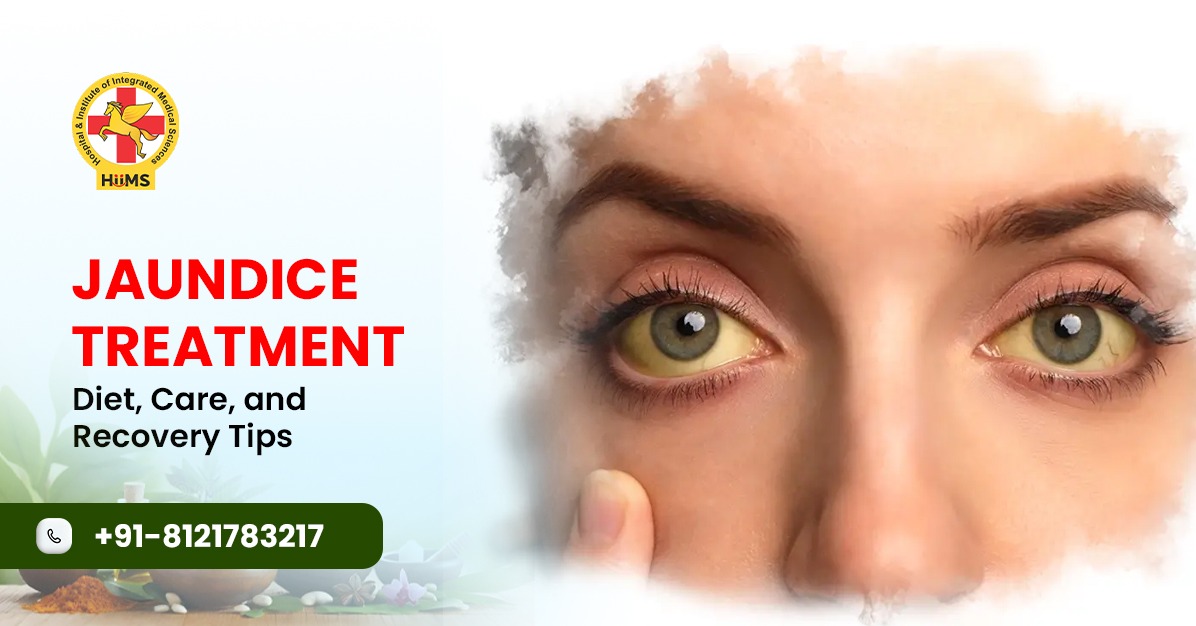
Jaundice develops when a yellow pigment called bilirubin builds up in the blood. This pigment forms when old red blood cells break down. Normally, the liver processes bilirubin and removes it through bile. When the liver becomes weak or blocked, bilirubin starts circulating in the body instead of leaving it. As a result, the skin and eyes appear yellow, urine turns darker, and digestion feels disturbed.
Symptoms of Jaundice You Should Not Ignore
The most noticeable jaundice symptoms include yellowing of the eyes and skin, but the body shows other changes as well. Many people start feeling more tired than usual, feel heaviness after eating, notice a mild fever, or simply do not feel like eating much. In some cases, urine turns darker and stools look pale even before any change is seen on the skin. These symptoms of jaundice usually develop slowly and become more noticeable when liver stress continues for several days.
Common Causes of Jaundice
Understanding the causes of jaundice helps guide recovery in the right direction. Liver infections such as hepatitis, excess alcohol intake, fatty liver changes, and long-term medication use can slow liver function. In some cases, the rapid breakdown of blood cells increases bilirubin faster than the liver can manage. Blocked bile ducts due to gallstones or digestive obstruction also prevent bilirubin from leaving the body properly.
Jaundice Diet: What to Eat During Recovery
Food matters a lot during recovery. A light jaundice diet gives the liver some rest and supports slow healing. Fresh fruits, seasonal vegetables, light soups, coconut water, and simple home food are easier to digest. Warm water and timely meals also help bile flow in a better way. Foods to avoid during jaundice include fried items, spicy dishes, heavy dairy, packaged snacks, and alcohol. These foods increase liver load and slow recovery. Maintaining food discipline is as important as medicine because “food is also a medicine” during this phase.
Daily Care Tips to Support Jaundice Recovery
Rest allows the liver to repair itself, so proper sleep and relaxed routines matter. Eating smaller portions at regular intervals keeps digestion active without putting pressure on it. Gentle walking and light stretching improve circulation without exhausting the body. Hydration supports toxin removal naturally. Simple habits followed daily often bring visible improvement alongside medical care.
Ayurvedic Therapies Used for Jaundice Treatment
In Ayurveda, the focus stays on cleaning the system and improving liver strength instead of covering up symptoms. Certain specialised detox therapies help clear excess bile and internal build-up when done under guidance. Herbal support is selected as per a person’s digestion and body strength. When combined with proper diet and rest, this approach makes jaundice treatment safer and more steady.
Recovery Phase: What to Expect After Jaundice
Recovery usually shows gradual and better signs, if followed honestly. Appetite improves first, followed by better energy levels and normal digestion. Skin and eye colour lighten slowly over weeks. Continued diet discipline and routine monitoring help prevent relapse. Stopping care early often delays full healing, so patience remains essential.
When to Consult a Jaundice Doctor in Meerut?
Persistent yellowing, rising weakness, itching, or abdominal discomfort indicate the need for evaluation. Consulting a jaundice doctor in Meerut helps identify the cause accurately and prevents complications. Timely guidance reduces recovery time and avoids long-term liver stress.
Why Choose Jeena Sikho HiiMS as a Jaundice Hospital in Meerut?
At Jeena Sikho HiiMS, care is planned by looking at the person as a whole, not just the report. Modern diagnosis helps understand the condition, while natural methods support healing from within. As a recognised jaundice hospital in Meerut, treatment does not follow a fixed pattern. Patients receive clear diet advice, lifestyle guidance, and therapy support together, so recovery stays organised and practical. This balanced approach makes jaundice treatment in Meerut safer, structured, and patient-focused, guided by an experienced jaundice specialist in Meerut.
Conclusion
Liver health improves when treatment, diet, and daily habits work together patiently. The right jaundice treatment supports natural healing instead of forcing quick results. Careful eating, adequate rest, and guided therapies help the liver regain balance over time. At Jeena Sikho HiiMS, treatment plans aim for long-term stability, not temporary relief.
If symptoms persist or recovery feels slow, professional guidance makes the journey safer and clearer. To consult a specialist, call +91 81217-83217 or write to care@jeenasikho.com and take a confident step toward better liver health.
FAQs
Q1. How long does jaundice treatment usually take?
Recovery time varies by cause and liver strength, often improving gradually over a few weeks with proper care.
Q2. Can jaundice be managed only with diet?
Diet supports healing strongly, though medical evaluation remains important to address the root cause safely.
Q3. Is hospital care necessary for all jaundice cases?
Hospital care depends on severity, symptoms, and underlying cause assessed by a specialist.
Q4. What foods delay jaundice recovery?
Oily, spicy, processed foods and alcohol increase liver stress and slow healing.
Q5. When should I see a jaundice specialist in Meerut?
Persistent yellowing, weakness, itching, or digestion related problems signal the right time for consultation.