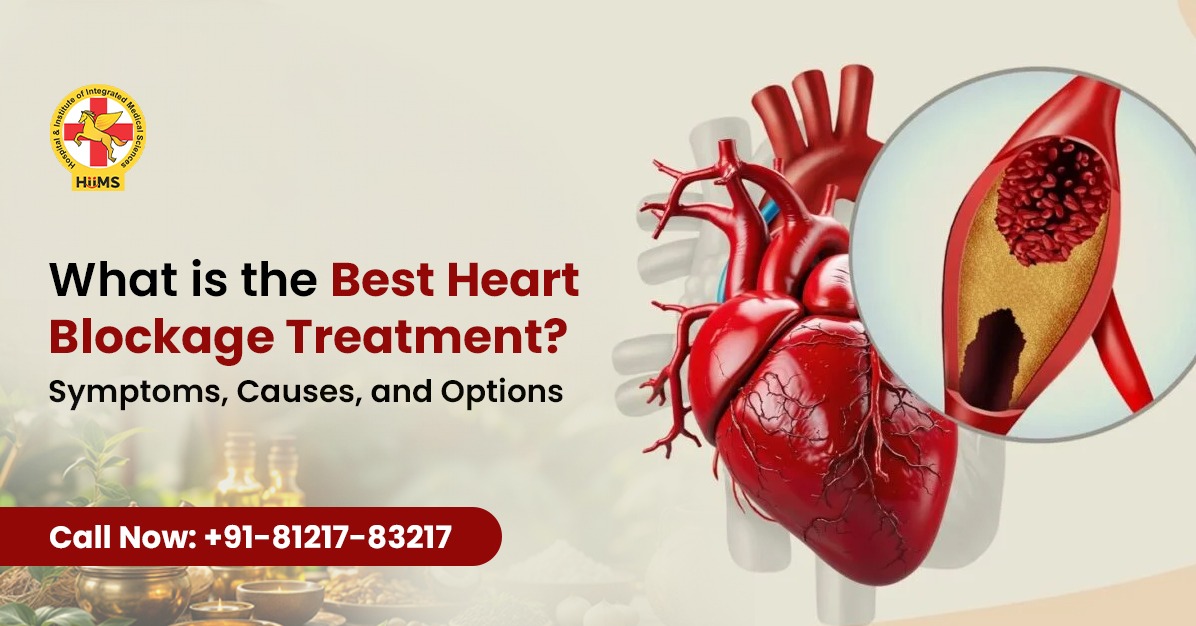
The health of the heart is a highly significant aspect of general health. When the tubes that carry blood to the heart muscle become swollen or totally blocked, the condition is commonly referred to as heart artery disease. This decreases the ability of the heart to pump blood and may cause severe issues.
Until the symptoms begin to impact daily life, people are usually unaware of the fact that they have the disease. Knowing about the management of heart artery disease, its symptoms, causes, and possible treatments can help patients take steps at the right time to keep their heart healthy.
Some of the causes of the increasing risk of heart issues such as plaque accumulation and heart failure include being inactive, eating excessively, and being stressed. Early awareness and proper advice will help people to take care of their heart blockage treatment better.
What Is Heart Blockage?
Heart blockage occurs when fats, cholesterol, and other oils accumulate on the inner lining of the vessels that supply the heart muscle. This thickening of the walls and reduction of the opening of the walls with time restricts the circulation of blood.
Limited blood supply can result in the heart tissue being deprived of oxygen and nutrients, which impacts the normal functioning. It is the reason why diagnosis at an early stage is necessary to select the most effective treatment and make lifestyle changes.
Heart Blockage Symptoms
Blocking of the heart may occur unobtrusively. Individuals can experience some discomfort, which increases with neglect.
Common symptoms include:
Heavy chest or pounding pain.
Breathing harder than usual.
Feeling tired or weak.
Irregular heartbeats.
Radiating pain in the arm, shoulder, neck, or back.
Light-headed or dizzy.
Sweating a lot.
These indicators demonstrate that something is amiss. In case the symptoms reoccur or persist over an extended period, a complete medical examination is required to determine the cause.
Causes of Heart Blockage
Heart disease is caused by many factors. The majority of them are related to lifestyle, diet, and metabolic condition.
High Cholesterol
High levels of bad cholesterol add fatty tissue to the vessel walls and cause the walls to thicken.
Unhealthy Diet
Consumption of processed foods and high-fat and high-calorie foods is a known risk factor in heart disease.
Lack of Physical Activity
Failure to exercise enough may cause weight gain, insulin resistance, and diabetes.
Stress and Mental Pressure
There is a risk of elevated blood pressure and altered blood vessel tone, which increases the risk of heart diseases because of long-term emotional stress.
Smoking and Alcohol
Tobacco and excessive consumption of alcohol hurt the heart and increase the risk of illness.
Obesity and Metabolic Problems.
Obesity is believed to be a major cause of high cholesterol and heart disease; hence, weight control is significant.
The awareness of these factors allows the patients to embrace preventive behaviors that can keep their hearts healthy.
Treatment Options For Heart Blockage
The heart failure treatment is largely based on the severity of the blockage and the general health of the patient. It is aimed at enhancing the circulation of the blood, sustaining the heart, and minimizing risk factors.
Lifestyle and Diet Changes
One of the best methods to reduce heart risk is by changing habits. Exercise and a proper diet can significantly enhance the strength of the heart.
Good health practices may include:
Consuming a healthy, well-balanced diet.
Exercising regularly.
Having a normal body weight.
Managing stress by relaxing.
Cessation of such habits as smoking.
The net effect of all these is to enhance circulation and keep the heart muscle in good health in the long run.
Heart Health Management in the Long Term
There are patients who opt to use the holistic treatments that emphasize overall well-being and natural equilibrium.
These might involve:
Custom nutritional advice.
Detox and wellness programs.
Stress‑coping techniques.
Lifestyle counselling.
The goals of such heart blockage treatment are to correct metabolic issues and enhance the tone of blood vessels, enhancing heart protection.
The process of preventing the further development of plaque deposition is long-lasting; regular exercise, a balanced diet, and constant monitoring are important. Individuals experiencing persistent heart symptoms need to visit a specialist to develop an evidence-based plan of care.
Heart Disease Treatment in Meerut
Qualified doctors should immediately examine the patients presenting with heart symptoms or suspected of having a blocked artery. In Meerut, there is a hospital, Jeena Sikho HiiMS, which applies advanced tests and lifestyle-based treatment. Early diagnosis and complete heart failure treatment provide doctors and patients with an opportunity to select the most suitable treatment and save the heart.
Conclusion
Heart disease is a cumulative issue that, when not treated, gradually weakens the heart muscle. The key to lifelong heart health is a well-planned approach that emphasizes proper nutrition, routine exercise activity, psychological well-being, and reasonable medical attention.
The most appropriate way of maintaining a heart blockage treatment is through preventive care and early modification of risk factors. For more information about heart disease treatment in Meerut contact: Phone: +91 8121783217, Email: care@jeenasikho.com. Timely access to special care has been reported to enhance long-term cardiovascular outcomes.
FAQs
1. What is heart blockage?
Is lifestyle change effective in promoting heart health?
2. Under what circumstances should one consult a doctor in case of heart symptoms?
What is the method of detecting heart blockage?
3. What is the best way to maintain long-term heart health?
Regular health check-ups, balanced nutrition, physical activity, and stress management play an important role in maintaining heart health.
4. What are the early symptoms of heart blockage?
Early symptoms may include chest discomfort, fatigue, breathlessness, dizziness, or palpitations.
5. How can heart blockage be detected?
Doctors may recommend diagnostic tests such as ECG, stress tests, or imaging studies to evaluate heart health.