Liver cirrhosis is a serious condition where the liver gets harmed gradually. It affects how the liver works and how the body handles food, toxins, and the nutrients. During the liver cirrhosis treatment, food choices become very important. What you eat can either help your liver or put more pressure on it. Many people focus only on medicines, but diet plays an equally big role in recovery.
A liver doctor often suggests changes in daily eating habits along with proper treatment of liver disease. Some foods can make the condition worse, increase swelling, or slow down healing. That is why it is important to know what to avoid.
Along with the modern care, many people also look towards natural ways like detox practices that focus on balance and simple living. In this blog, we will clearly explain which foods should be avoided so that the liver gets the best possible support during the healing journey.
Why Diet Matters in Liver Cirrhosis Treatment?
The liver plays an important role in digestion, energy storage, and the toxin removal. When it is damaged, these functions get disturbed. During treatment, the body reacts more to food than usual. Even the small changes in diet can lead to problems like fluid build-up, tiredness, or poor digestion.
Doctors usually guide on what to eat and how to maintain balance in meals. Choosing the right foods helps in liver disease treatment and keeps pressure off the liver. Some people also try gentle detox methods for better balance.
Foods to Avoid During Liver Cirrhosis Treatment
Choosing the right foods is important because some items can increase liver stress and slow down recovery.
1. Foods High in Salt Should Be Avoided
Salt is one of the biggest concerns in liver cirrhosis. Too much salt can cause water retention in the body. This leads to the swelling in the legs and abdomen, which is already common in this condition.
Avoid foods like:
Packaged snacks
Pickles
Processed food
Instant noodles
During the liver cirrhosis treatment, reducing the salt helps control the fluid buildup. A doctor often suggests low-sodium meals to keep the body stable.
2. Oily and Fried Foods Can Make Things Worse
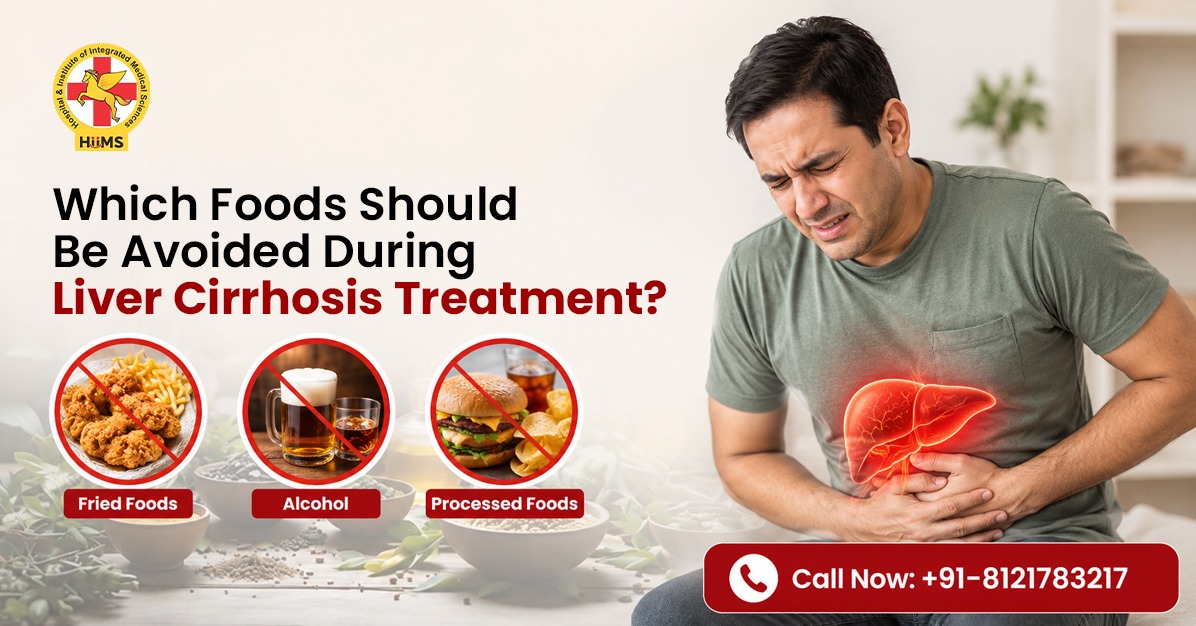
Fried and oily foods are hard for the body to digest. They put extra load on the liver, which is already weak. These foods can increase fat in the liver and slow down recovery.
Try to avoid:
Deep-fried snacks
Fast food
Heavy gravies
A specialist often suggests eating light and simple food as part of treatment. Instead of oily food, many people prefer simple cooked meals and natural liver detox practices.
3. Avoid Alcohol Completely
Alcohol is one of the main causes of liver cirrhosis. If someone is already diagnosed, even a small amount can be harmful.
During liver cirrhosis treatment, alcohol should be completely stopped. It damages liver cells further and makes healing difficult.
This is one of the first things every liver specialist clearly advises.
4. Sugary Foods and Drinks Should Be Limited
Too much sugar can lead to the fat build-up in the liver. It also affects the overall health and energy levels.
Avoid:
Soft drinks
Sweets
Bakery items
In liver disease treatment, controlling sugar helps maintain better liver function. Some people shift to the natural food options and light detox habits to stay balanced.
5. Red Meat and Heavy Protein Sources
While protein is important, heavy sources like red meat can be difficult to process. It may lead to the toxin buildup in the body when the liver is weak.
Avoid or limit:
Red meat
Processed meat
A liver specialist may suggest the lighter protein options that are easier to digest during the treatment of liver cirrhosis.
6. Packaged and Processed Foods
Processed foods often contain the chemicals, preservatives, and extra salt. These are not good for a damaged liver.
Stay away from:
Ready-to-eat meals
Frozen foods
Canned items
Simple home-cooked food is always a better choice. At hospitals like Jeena Sikho HiiMS Meerut, focus is often kept on balanced eating along with overall lifestyle improvement.
7. Spicy and Very Heavy Foods
Very spicy food can irritate the digestive system and make the body uncomfortable. In liver cirrhosis, digestion is already weak.
Avoid:
Very spicy curries
Street food
Overloaded masala dishes
During the treatment, keeping food simple and mild helps the body stay calm and supports the healing.
What You Can Do Instead?
Instead of focusing only on the restrictions, try to follow a simple routine:
Eat fresh and light meals
Drink enough water
Follow a balanced lifestyle
A liver doctor may also guide on the natural routines that support the treatment. Gentle detox habits, like proper hydration and clean eating, can help maintain the internal balance.
Conclusion
Managing diet during liver cirrhosis is not only about the restrictions, it is more about a better understanding of food. Avoiding wrong food choices can reduce the burden on the liver and help in healing slowly. During liver cirrhosis treatment, small changes done regularly can bring results.
With guidance from Jeena Sikho HiiMS Meerut, following a balanced lifestyle becomes easier. If you are noticing the symptoms or feel unsure, taking a VOPD consultation can help you know what your body needs.
FAQs
1. What is liver cirrhosis?
Liver cirrhosis occurs when the liver slowly gets damaged and stops working in a proper way.
2. Why is diet important in liver cirrhosis treatment?
Diet plays a simple but important role. It helps the liver feel less burden and function a bit better.
3. How does a liver doctor help in this condition?
A liver doctor explains what to eat, how to live daily, and what care should be followed.
4. Can diet alone cure liver cirrhosis?
Diet alone is not enough. It helps manage things, but proper care is also needed.
5. Is consultation necessary for liver cirrhosis?
Yes, taking proper advice makes it easier to handle the condition in a better way.