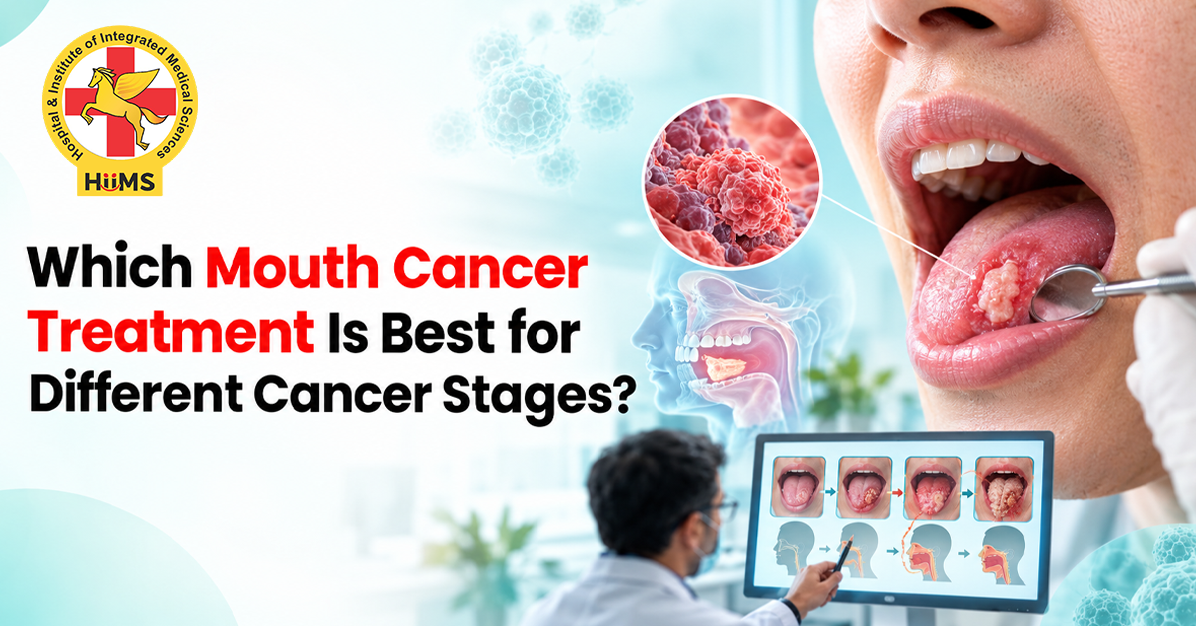
Oral cancer is a significant health issue that requires proper knowledge about its stages to take the next course of action. Oral cancer can affect the tongue, lips, gums, inner cheeks, and other mouth areas. Initially, the change may be slight and involve an oral ulcer that refuses to heal or a patch on the inner cheek that may be white or red. People often overlook this condition, thinking that it will eventually disappear.
However, recognising oral cancer symptoms early can help a person get the right diagnosis without unnecessary delay. The right mouth cancer treatment depends on the cancer stage, its location, whether it has spread, and the person's overall health.
Various medical treatment methods are possible; however, results differ from one individual to another, and cancer may recur despite any treatment. It is possible that ayurvedic treatment could support general wellbeing, but it does not have scientific evidence in the curing of mouth cancer or treating cancer. Let’s understand the various stages and the importance of supportive care.
What Are the Common Mouth Cancer Symptoms?
Awareness of the warning signs can enable you to consult your doctor in good time. Some mouth cancer symptoms are:
An ulcer or sore in the mouth that persists for more than two weeks
Red or white spots in the mouth
A lump or a thickening of an area in the tongue, gums, or cheeks
Difficulty chewing or swallowing, or pain when you chew or swallow
Bleeding or numbness in the mouth without any apparent reason
Trouble moving the tongue or jaw
Other illnesses can cause these symptoms as well, but these do not mean that you have cancer.
If you notice any of these changes, do not ignore them.
Consult a healthcare professional to understand the cause and get the right guidance.

How Does Mouth Cancer Progress Through Different Stages?
Oral cancer typically has four distinct stages. It is used by doctors to gauge the extent of the disease’s progress and determine what treatment is appropriate. A medical examination, along with other tests, may be necessary to confirm and determine the extent of the disease.
Stage 1: Early Mouth Cancer
A tumour in Stage 1 is small in size and does not have metastasis to any other part of the body. In this stage, treatment may be easily conducted due to the early diagnosis of the problem. This depends on the size, depth, and location of the tumour.
What you should do is not to neglect a non-healing ulcer, patch, or lump in your mouth. It helps the doctors to have an idea about the situation and talk about possible options.
Stage 2: Cancer Has Grown but Remains Localised
At Stage 2, the cancer might be bigger compared to at Stage 1, although it is still quite contained. It is crucial to know the exact stage of the illness as a basis for treatment.
For that purpose, patients might require a thorough evaluation to determine the depth of the cancer growth and the involvement of the surrounding tissues. Follow-up examinations are also required.
Stage 3: Cancer May Have Spread to Nearby Areas
In Stage 3, the cancer could either have grown in size or spread to nearby lymph nodes in the neck region. This depends on the severity of the condition and the general health of the patient.
It could be at this stage that some patients experience difficulty in eating, talking, and swallowing. It may be necessary to consider nutritional support, oral hygiene, and psychological support for the patients.
Stage 4: Advanced Mouth Cancer
Stage 4 is considered an advanced stage in which the disease can have metastasised to adjacent structures or even other distant areas of the body. This will be unique for each patient.
The nursing care plan will be individualised depending on the patient. It may involve the control of the disease itself, symptom management, and maintenance of comfort, among others. The patients and their family members need to engage in discussions with the health professionals on the best option.
How Does Ayurveda Support Patients With Mouth Cancer?
Ayurvedic medicine is a more holistic way of looking at health, paying attention to diet, daily regimen, digestion, sleep, and personal requirements. Patients attending Jeena Sikho HiiMS Meerut will be able to consult with qualified professionals about supporting their well-being practices according to their specific circumstances.
Supportive guidance may include:
Individualised Diet: Soft and nourishing foods could be beneficial for those people who have problems with chewing and swallowing. It is recommended to consult a dietitian in case nutrition is affected.
Lifestyle Recommendations: Rest, appropriate physical activity, and stress reduction could benefit one’s well-being.
Ayurvedic Assessment: One can consult an Ayurvedic expert in order to discuss his/her health status, symptoms, and medications prior to recommending anything further.
Ayurveda should not be presented as a proven way to remove cancer or correct its underlying biological causes. Some herbs and therapies may also interact with cancer medicines or cause harm, so they must be discussed with the treating the medical team before use. Patients should never delay or stop recommended cancer care in favour of alternative remedies.
For more information, you can read about oral cancer care at Jeena Sikho HiiMS.
Why Is Early Diagnosis Important?
Early diagnosis can help the doctors assess the disease before it progresses further. If you notice a mouth ulcer that does not heal, a persistent patch, unexplained bleeding, or difficulty swallowing, arrange a medical assessment.
Avoid tobacco and areca nut products, including gutka and supari, as they are important risk factors for mouth cancer. Regular dental checkups can also help identify unusual changes inside the mouth.
Conclusion
The ideal mouth cancer treatment will depend on several factors, such as the stage of the cancer, where the cancer is located, and the general well-being of the patient. Early detection of any symptoms can assist in avoiding late detection of the disease. Ayurveda might also provide useful advice in this regard. To get personal assistance, make a VOPD appointment with Jeena Sikho HiiMS Meerut.

FAQs
1. What are the early symptoms of mouth cancer?
An ulcer which does not heal, white or red patches, and an unusual lump may warrant a visit to the doctor.
2. Are there any links between the treatment for mouth cancer and its stages?
The treatment depends upon the stages of cancer, location, how it has progressed, and the overall health of the patient.
3. Does Ayurveda have any role to play in treating mouth cancer?
Ayurveda can give some suggestions for the general well-being of the patient along with proper treatment for the disease.
4. Is there any possibility of the mouth cancer recurring after being treated?
It helps the doctors to keep track of the progress of the patient.
5. When should I see a doctor?
See a doctor when you have an ulcer for over two weeks, patches, bleeding, lumps, and difficulties in swallowing.
Disclaimer: The information shared in this blog is for general educational and informational purposes only. It should not be considered a substitute for professional medical advice, diagnosis, or treatment. Please consult a qualified healthcare professional for advice based on your individual health needs. Do not make changes to your diet, lifestyle, or treatment plan without proper guidance.
Author: Kishan Kant Soni

Dr. Kishan Kant Soni has experience in Ayurveda of around 2 years. He is one of the best Ayurvedic Doctors in Meerut. His areas of expertise include the management of diabetes, Cancer, Liver diseases, Back pain, Kidney diseases, Heart disease and Skin disorder etc. Many individuals have benefited from her ayurvedic treatment.