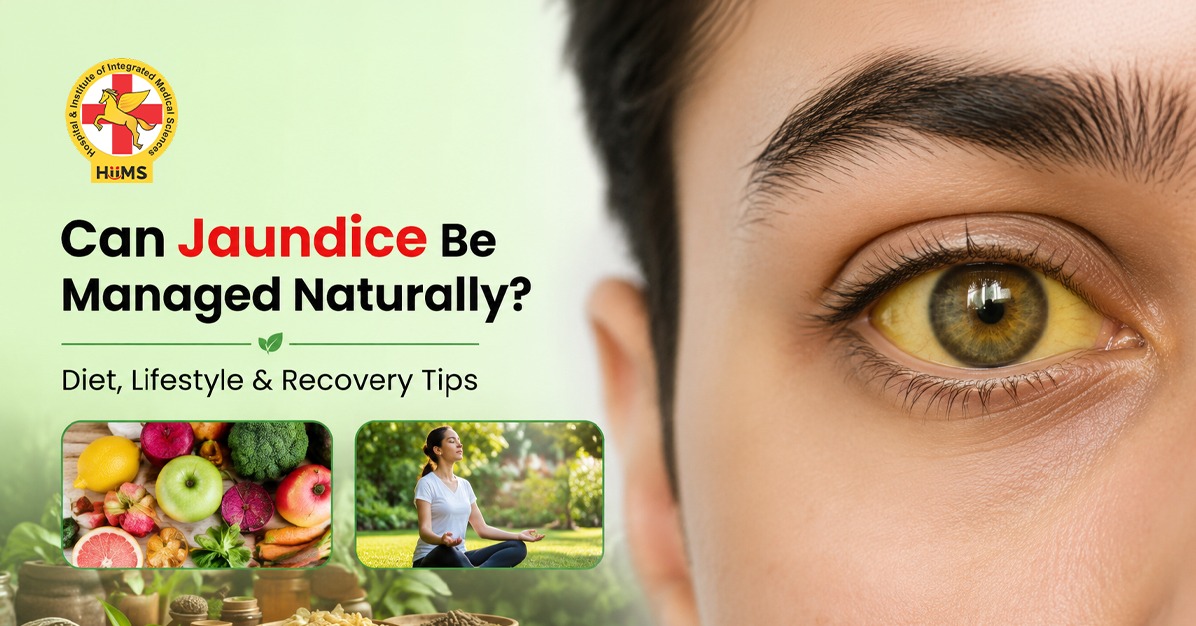
Jaundice is a condition that might worry anyone if the skin or eyes become suddenly yellow. This is caused by increased levels of bilirubin in the bloodstream. The cause of this condition varies from individual to individual, since it may be related to various diseases or factors such as liver disease, infections, gallstones, specific medication, or even other health disorders. Thus, finding out what is causing jaundice is necessary in order to use appropriate natural jaundice management.
Apart from professional examination, daily routine might also contribute to the healing process. For instance, a special jaundice diet, sufficient hydration, and rest, as well as avoidance of certain foods and bad habits harmful for the liver, are beneficial. Natural care should not be considered a replacement for medical advice but rather as supportive care alongside appropriate natural jaundice treatment.
In Ayurveda too, food, digestion, daily routine, and overall balance are given considerable importance. With the right guidance, these areas can become part of a sensible wellness routine during recovery.
What Is Jaundice, and Why Does It Happen?
Jaundice is recognised by a yellowish colour of the skin, eyes, or other body tissues. This colour develops because of increased bilirubin in the blood. Bilirubin is produced when old red blood cells are broken down, and the liver normally helps process and remove it from the body.
Jaundice itself is not one single disease. It is usually a sign that something else needs attention. The underlying reason may be related to the liver, bile ducts, blood cells, or another health condition.
This is why simply following a home remedy without knowing the cause is not a wise approach. A doctor may recommend blood tests or other investigations depending on the symptoms and medical history.
Can Jaundice Be Managed Naturally?
Natural care can play a supportive role in jaundice recovery, particularly through food, hydration, adequate rest, and healthy daily habits. However, whether jaundice can settle on its own depends completely on its cause.
For example, jaundice associated with a temporary condition may have a different recovery pattern from jaundice caused by hepatitis, gallstones, or a more serious liver problem.
So, natural jaundice management should not mean avoiding medical care. It means taking better care of the body while the underlying cause is being properly addressed.
What Should You Eat During Jaundice?
Food becomes especially important when the body is recovering. Instead of eating heavy meals or relying on packaged foods, it is generally better to keep meals simple, balanced and easy to tolerate.
Fresh Fruits and Vegetables
Fresh fruits and vegetables provide fiber, vitamins, minerals, and other nutrients. Options such as papaya, melons, citrus fruits, carrots, tomatoes, spinach, and other vegetables can be included according to individual tolerance.
Rather than depending on one particular fruit or juice as a remedy, variety is more useful. Whole fruits are also preferable to sugary packaged juices.
Whole Grains
Whole grains can provide fiber and other nutrients. Oats, brown rice, whole wheat, and similar grains can be included when they suit the person's digestion. If appetite is poor, meals can be kept smaller and lighter rather than forcing large portions.
Light and Lean Sources of Protein
Protein is an important part of a balanced diet. Depending on dietary preference, options may include pulses, legumes, tofu, eggs, or lean sources of animal protein. The exact amount should depend on the person's overall health and any other medical conditions.
Adequate Fluids
Dehydration can make recovery more difficult. Drinking enough water throughout the day is therefore important. The exact fluid requirement is not identical for everyone, especially for people who have kidney, heart, or other medical conditions.
Simple water is usually the best choice. There is no need to depend on expensive detox drinks or special juices.
Foods to Avoid or Limit During Jaundice
A good jaundice diet is not only about what you add to your plate. It is also about giving the body a break from foods that may be difficult to handle.
Avoid Alcohol
Alcohol can cause additional stress and damage to the liver. People with jaundice are generally advised to avoid alcohol, particularly while the liver is recovering.Avoid Deep-Fried and Greasy Food
Food that is deep-fried or fast food can be difficult to digest. When recovering from an illness, simpler methods of cooking such as steaming or boiling may be more easily digested.Avoid Processed Food
Processed foods, including snacks, canned food, meats, and salty food, can add extra salt, sugar, and preservatives into your body. It is better for you to eat home-cooked food.Avoid Excess Sugar
Soft drinks, sweets, bakery products, and other foods high in added sugar should not become a regular part of the diet during recovery. A balanced eating pattern is preferable to replacing proper meals with sugary drinks or juices.
Simple Lifestyle Habits That May Support Recovery
Food is only one part of recovery. Daily routine matters as well.
Rest appropriately: Being fatigued happens often when someone suffers from the various illnesses that lead to jaundice. It is better to give enough time for the body to rest.
Eat regularly: In case big meals seem difficult, small portions throughout the day may work.
Be properly hydrated: Instead of waiting to get thirsty, continue drinking water throughout the day.
Use appropriate medicines and supplements: Various medicines and substances are processed in the liver. Taking any herbal supplements without consulting the doctor is not recommended because some of them may have interactions with other medicines or are inappropriate for people with liver disorders.
Be careful about food hygiene: Well-washed vegetables and well-cooked meals should be eaten.
Ayurvedic Perspective on Jaundice Management
Ayurveda gives importance to digestion, food, daily routine, and the balance of the body while looking at health. In traditional Ayurvedic practice, jaundice-related conditions are discussed under the broader understanding of Kamala.
The Ayurvedic approach does not simply mean taking an herbal preparation whenever the eyes turn yellow. The person's prakriti, digestion, food habits, strength and other factors need to be considered before deciding what kind of care is appropriate.
This is where guidance from an experienced Ayurvedic practitioner can be useful. At Jeena Sikho HiiMS Derabassi, the approach to wellness gives attention to food, lifestyle and individual health assessment along with Ayurvedic care.
Natural methods should always be selected according to the person's actual condition. A remedy that is suitable for one individual may not be suitable for another, especially when liver function is already affected.
When Should You Seek Medical Attention?
Eye and skin yellowing are not conditions that need to be ignored. There are many reasons for jaundice, and some may need urgent medical intervention.
You should consult a medical expert in case you have yellow skin or eyes, darker-colored urine, very light-colored feces, abdominal pains, fever, fatigue, or other new signs.
It becomes especially critical to seek urgent medical treatment in cases where there is severe or rapidly changing symptoms or confusion, vomiting, abdominal pains, or other new symptoms.
Natural treatments can help in recovery, but they cannot help to identify the cause of jaundice.
Jaundice Recovery Tips for Everyday Life
Recovery can feel slow, especially when appetite and energy are not quite normal. Instead of trying several remedies at once, keeping the routine simple is often more practical.
Maintain a healthy and well-balanced diet, stay hydrated, sleep well, and abstain from drinking and junk food. Monitor your symptoms and pay heed to the instructions of your healthcare provider.
However, it is important to consider that recovery should not be evaluated on the grounds of yellow colour reduction alone. The root cause and blood test results also have their own significance.
Conclusion
There is no single natural remedy that can be called the answer to jaundice. Since jaundice can develop for many different reasons, the first step should always be finding out what is causing it. After that, simple habits such as a balanced jaundice diet, adequate hydration, proper rest, and avoiding alcohol and heavily processed foods can support the body's recovery.
Ayurvedic care can also be explored as a supportive approach when guided by a qualified practitioner. If you are looking for personalised guidance regarding diet, lifestyle, and Ayurvedic wellness, you can consult Jeena Sikho HiiMS Derabassi and discuss your condition with a professional before starting any natural remedy.
FAQs
1. Can jaundice be treated naturally at home?
Aspects of recovery such as having a healthy diet and drinking enough water can be achieved at home; however, the reason behind the jaundice should be diagnosed first by a medical professional.
2. What foods are good for jaundice recovery?
Fresh fruits and vegetables, whole grains, adequate fluids and suitable sources of lean protein can form part of a balanced diet during recovery. The exact diet should be adjusted according to the person's condition.
3. Which foods should be avoided during jaundice?
Alcohol should be avoided. It is also sensible to limit fried foods, highly processed foods, excessive sugar, and very fatty meals during recovery.
4. Can Ayurvedic care be used during jaundice recovery?
Ayurvedic care may be considered as a supportive approach, but it should be guided by a qualified practitioner. Herbal medicines or supplements should not be taken on your own because some can interact with medicines or may not be suitable for people with liver problems.
5. How long does jaundice take to recover from?
The recovery time is not constant since there are several causes of this condition. The time for recovery will depend on the underlying cause, the severity of the disease, and the general health of the individual.