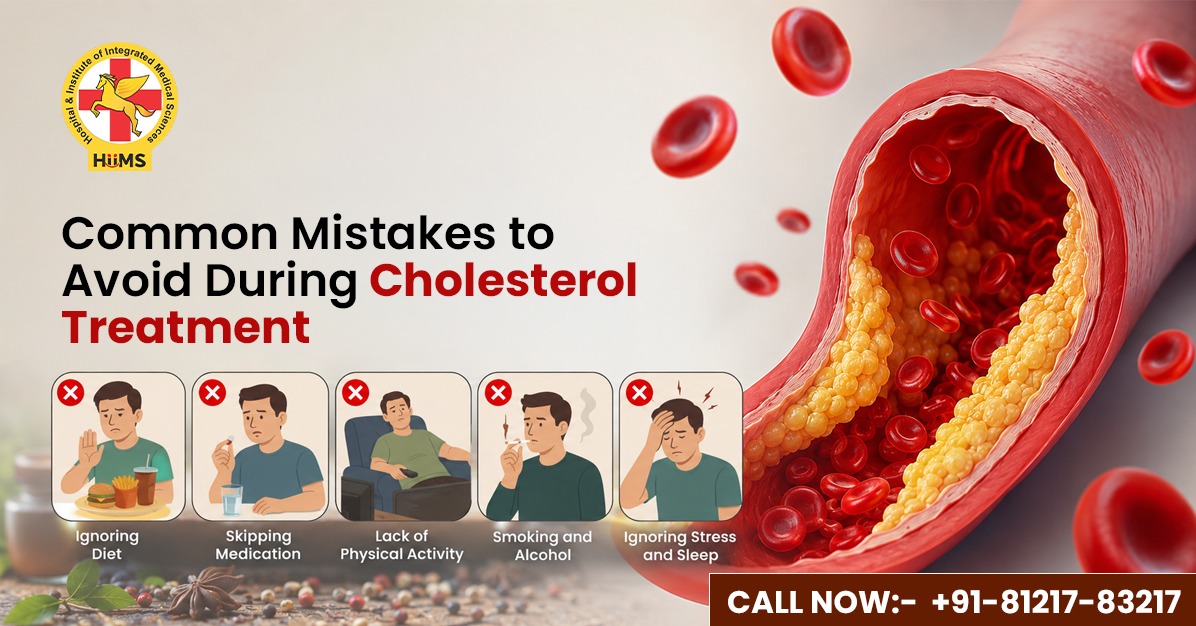
A cholesterol report can look small on paper, but the habits behind it are usually spread across many years. People often change one food item, skip a few meals, or depend only on medicines, then wonder why the numbers do not normalise in a stable way.
The truth is that cholesterol often responds to the way a person eats, sleeps, moves, and handles stress every day. In Ayurveda, this also connects with weak digestion, poor routine, and the slow buildup of Ama in the body. That is why cholesterol treatment works better when it is understood as a daily practice, not a one-time correction.
This blog will walk you through the mistakes people make most often and the simpler habits that can support a steadier, more natural recovery.
Understanding Cholesterol Beyond Just Blood Reports
Cholesterol is not only about fat in the blood. It is also linked with how well the body digests food, uses energy, and clears waste. When meals are irregular, sleep is weak, or movement is very little, the system slowly becomes sluggish. Ayurveda explains this through weak Agni, Kapha imbalance, and Ama buildup.
In simple words, the body starts holding on to what it should have processed and released. That is why cholesterol treatment should not stop at one report or one prescription. It should also support digestion, routine, and balance from the inside.
Common Mistakes to Avoid During Cholesterol Treatment
1. Depending Only on Medicines While Ignoring Lifestyle
Many people start medicine and then continue the same oily food, late dinners, and sitting routine. That creates a gap between treatment and daily life. Medicines may help manage the numbers, but the old habits keep moving the body in the same direction.
A better approach is to pair treatment with regular walking, lighter meals, enough sleep, and simple food habits. This is where the question 'how to reduce cholesterol' becomes less confusing, because the answer is not found in one step alone. It is found in the rhythm of the day.
2. Removing All Fats from the Diet
A common reaction after a cholesterol report is to stop every fat completely. People avoid nuts, seeds, homemade ghee, and even simple foods that the body actually needs in small amounts. The real problem usually comes from fried snacks, processed oils, bakery food, and heavy packaged meals.
A sensible diet for cholesterol control should focus on balance, not fear. Fresh vegetables, seasonal fruits, whole grains, soaked seeds, and freshly prepared meals at home often feel easier on the body than strict eating plans that people leave after a few days. Regular meals made with simple ingredients usually help digestion stay more comfortable and balanced with time.
3. Ignoring Meal Timing and Eating Heavy Dinners
Skipping breakfast, eating meals at odd hours, or finishing the day with a heavy late-night dinner can make digestion feel slower than usual. When eating timings keep changing every day, the body often struggles to process food properly, and that lingering heaviness gradually starts becoming part of the daily routine.
Small changes can make a big difference. Eating on time, keeping dinner light, drinking warm water, and avoiding overeating at night help the body work in a more balanced way.
4. Following Random Internet Diets Without Understanding the Body
These days, many people try crash diets, zero-carb plans, or fasting rules they found online. Some of them sound powerful at first, but they are often too strict for daily life. After a few days, the person feels weak, bored, or unable to continue.
A better natural cholesterol treatment is usually less fancy and more practical. Home-cooked food, seasonal fruits and vegetables, fiber-rich meals, and mindful eating give the body a chance to improve without forcing it. Real change stays longer when it feels manageable.
5. Staying Physically Inactive During Cholesterol Treatment
A desk job, long screen time, and little movement can slowly make the body feel heavier. Blood flow becomes slower, digestion feels dull, and the whole day starts to pass without much activity. This does not help a person trying to improve cholesterol levels.
Simple movement is often enough to start with. Daily walking, light yoga, stretching, pranayama, and even a short walk after meals can support the body in a natural way. The point is not to do something intense for a few days. The point is to stay active in a way that can continue.
6. Underestimating Stress and Poor Sleep
Stress often shows up in the body before people notice it in the mind. It changes appetite, sleep, digestion, and energy, and all of these can affect cholesterol balance over time. Late-night screen use, broken sleep, and constant overthinking make the body feel even more tired.
A better routine is simple but powerful. Sleeping on time, reducing screen exposure at night, doing deep breathing, and keeping the evening calm can support the body in a quieter way. In everyday life, this kind of balance is more important than most people think.
7. Expecting Instant Results and Losing Patience
Many people improve their habits for one or two weeks, then stop when the report does not change fast enough. That is where progress often breaks. Cholesterol work asks for patience, because the body usually changes slowly, not significantly.
Instead of chasing quick results, focus on stable habits. A good cholesterol treatment plan becomes stronger when food, sleep, movement, and stress are all given proper attention for a longer time. That steady approach often brings better long-term comfort than sudden effort followed by burnout.
Conclusion
Managing cholesterol is not only about medicines or strict food rules. The smaller mistakes matter too, especially the ones that repeat every day without notice. Late dinners, stress eating, no movement, poor sleep, and random diet changes can slow recovery more than people expect.
A practical routine, a balanced diet for cholesterol control, and a calm daily routine usually support the body in a more natural way. When the focus stays on steady habits instead of quick fixes, cholesterol treatment becomes easier to follow and easier to live with.
For personalized support, you can also opt for an online video consultation (VOPD) for your health issue with expert doctors at Jeena Sikho HiiMS.

FAQs
1. What is the biggest mistake people make during cholesterol care?
Many people depend only on medicine and ignore food timing, sleep, stress, and movement, which are all part of the same problem.
2. Can diet alone improve cholesterol levels?
Food is important a lot, but better results usually come when diet is matched with routine, activity, and stress control.
3. Which foods are commonly avoided in a cholesterol-friendly diet?
Fried snacks, processed food, bakery items, and heavy packaged meals are usually limited first.
4. How does stress affect cholesterol?
Stress can disturb sleep, appetite, and digestion, which slowly makes the body less balanced overall.
5. What kind of routine supports natural recovery?
Simple home food, regular sleep, daily walking, and calm eating habits usually support the body better than extreme changes.