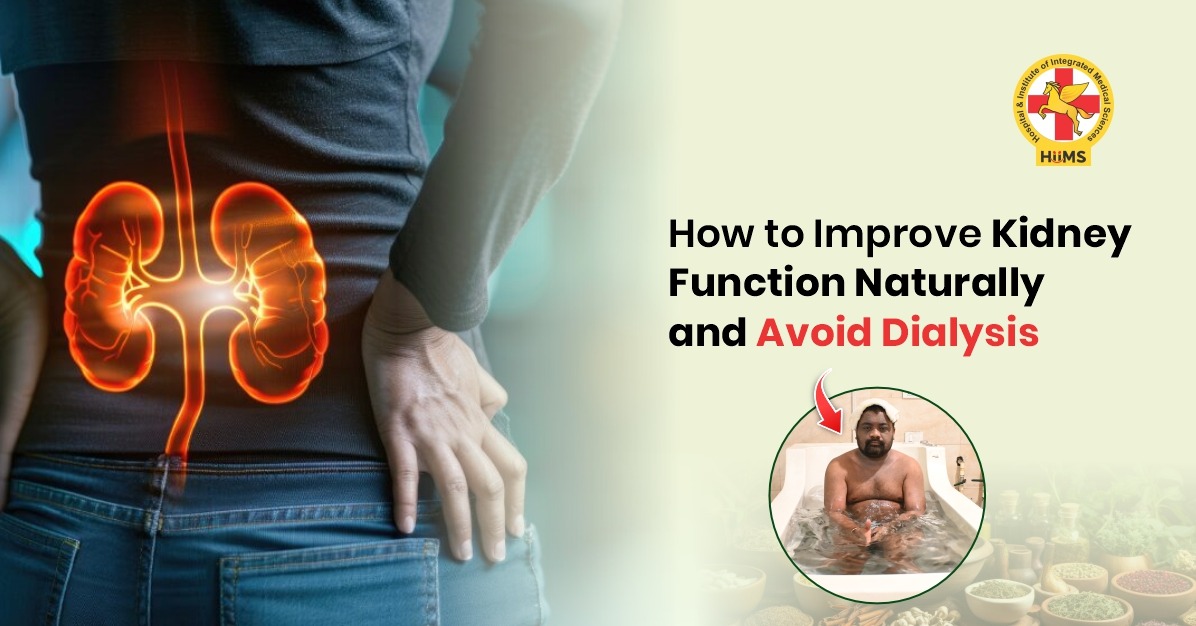
There comes a point when a normal medical report changes the way a person looks at their own body and kidneys. Numbers like creatinine suddenly start carrying weight, and conversations slowly turn toward possibilities that feel heavy to even think about.
Among all of them, dialysis is usually the first thing that comes to mind, almost like an automatic conclusion rather than a choice. Many people start to feel that there is no space left for alternatives, and everything now depends on machines and repeated hospital visits.
But the situation is not always as fixed as it appears in the beginning. In certain stages, with timely care and the right direction, people do look for kidney treatment without dialysis and try to understand whether their condition can be managed in a more balanced way.
In this blog, we will walk through simple, practical ways to understand kidney health and explore how natural approaches may help in maintaining function without immediately depending on dialysis.
Understanding Kidney Function in Simple Words
Kidneys work calmly in the background, but their role stays deeply connected with everyday comfort. They clean waste from the blood, keep fluid levels balanced, and make sure important minerals stay in the proper range. When this system works well, the body feels light and stable without much effort.
When kidney function starts to slow down, the body does not react all at once. Instead, small internal changes begin to build up, and waste starts staying longer in the body. This gradual change often makes it harder to notice the exact moment when things started changing, which is why early awareness becomes important in any form of kidney treatment.
Why Kidney Function Starts Getting Weak
Kidney health usually changes over time due to patterns that stay unnoticed in daily life. Diabetes and high blood pressure slowly start putting strain on the kidneys. Along with this, eating at odd times, taking too much salt in food, and using strong medicines again and again add more load over time.
Stress and dehydration also play their part, even though they are often ignored. When the body does not get enough rest or proper hydration, the internal balance starts changing, which affects how efficiently the kidneys can work.
Over time, these factors combine and create a situation where a person may need guidance from a kidney doctor to understand the next steps.
Is Dialysis Always the Only Option?
Many people start thinking dialysis is unavoidable as soon as kidney function drops, but that idea doesn’t fit every situation. It is usually needed in later stages, when the kidneys are not able to manage basic filtration on their own.
However, in earlier stages, structured care, monitoring, and lifestyle adjustments may help maintain existing kidney function. This is where the idea of kidney treatment without dialysis starts becoming relevant. It aims to protect what is still working rather than waiting for the condition to get worse.
A Change Towards Natural and Root-Based Kidney Care
There has been a gradual change in how people approach long-term conditions. Instead of only focusing on symptoms, many now prefer methods that work with the body’s natural rhythm. This approach does not hurry up the process but builds stability step by step.
A proper routine, balanced diet, and regular monitoring form the base of this direction. At the same time, guidance from a kidney doctor ensures that every step stays safe and suitable for the individual's condition.
Ayurvedic Kidney Failure Treatment Without Dialysis
In Ayurveda, the focus stays on understanding why imbalance started rather than only managing its effects. The body is seen as a connected system where digestion, circulation, and elimination all impact kidney health.
Ayurvedic kidney failure treatment without dialysis works on clearing internal blockages, improving flow, and reducing the load on the kidneys. This includes simple food patterns, herbal support, and therapies that help the body release accumulated waste gradually.
The approach feels steady and manageable, especially for those who prefer a routine that fits into daily life.
Kidney Care at Jeena Sikho HiiMS: A Structured Natural Approach
At Jeena Sikho HiiMS, which people know as a kidney hospital, the care plan is made by looking at both medical needs and the body’s natural balance. It isn’t kept the same for everyone, as each person is guided based on their condition, reports, and daily routine.
The focus remains on creating a system that the body can follow comfortably. Regular monitoring, simple dietary adjustments, and supportive therapies are combined to create a stable path for kidney treatment.
Moving Forward Without Fear
Living with kidney concerns often changes how a person looks at daily life, but it does not always have to feel overwhelming. With the right guidance, people can build a routine that supports their condition without constant stress.
Meeting a kidney doctor regularly, along with following a proper care routine, helps a person understand what the body needs at each stage. With this kind of approach, many people are able to move ahead with a bit more confidence and stability.
Conclusion
Kidney health does not depend on one big decision but grows through small, steady habits that support the body every day. When a person understands their condition early and follows a guided routine, the path becomes clearer and less stressful.
In many cases, kidney treatment without dialysis becomes a meaningful direction when supported with the right balance of care, monitoring, and natural methods. Ayurveda offers a steady way to manage this journey without pressure.
If you are looking for guidance, you can also consider a VOPD consultation (online video consultation) with expert doctors at Jeena Sikho HiiMS for your health concerns.

FAQs
1. Can kidney function improve naturally?
Kidney function may remain stable or improve in early stages with proper routine, diet, and medical guidance.
2. When should someone consult a kidney doctor?
Any unusual symptoms like swelling, fatigue, or abnormal reports should be checked early by a specialist.
3. What is the role of Ayurveda in kidney care?
It focuses on balance, digestion, and the removal of internal waste to support kidney function.
4. Is diet important in kidney problems?
Food choices directly affect kidney load, so simple and balanced meals play a key role.