A pale patch on the hand, a white spot near the lips, or a few lighter marks on the face can make anyone stop and look in the mirror a little longer. Some people ignore it at first. Others start asking family, friends, and the internet what it could be, and soon there are many answers, many oils, and many promises. If you are searching for Ayurvedic vitiligo care in Derabassi, Chandigarh, you are probably trying to sort out what is real and what is not and where to go for sensible advice.
This blog is written for you and for anyone who looks after someone with white patches. Here you will find what doctors and researchers say about vitiligo, how Ayurveda looks at it, and what to check before you choose a doctor or a hospital. There is no quick answer here, and we will not pretend there is one. But a clear picture can help you make calmer decisions, and that is a good place to begin.
Vitiligo and Leukoderma: What They Mean
Vitiligo is a long-term skin condition in which pale white patches develop on the skin. The skin loses melanin, the pigment that gives skin its colour. In India, many people say “leukoderma” or “safed daag” for the same thing.
Doctors usually use the word vitiligo for this specific condition, and other skin conditions can also cause white patches, so it is important to have a doctor confirm what you have. Anyone looking for leukoderma care in Derabassi should begin with this check.
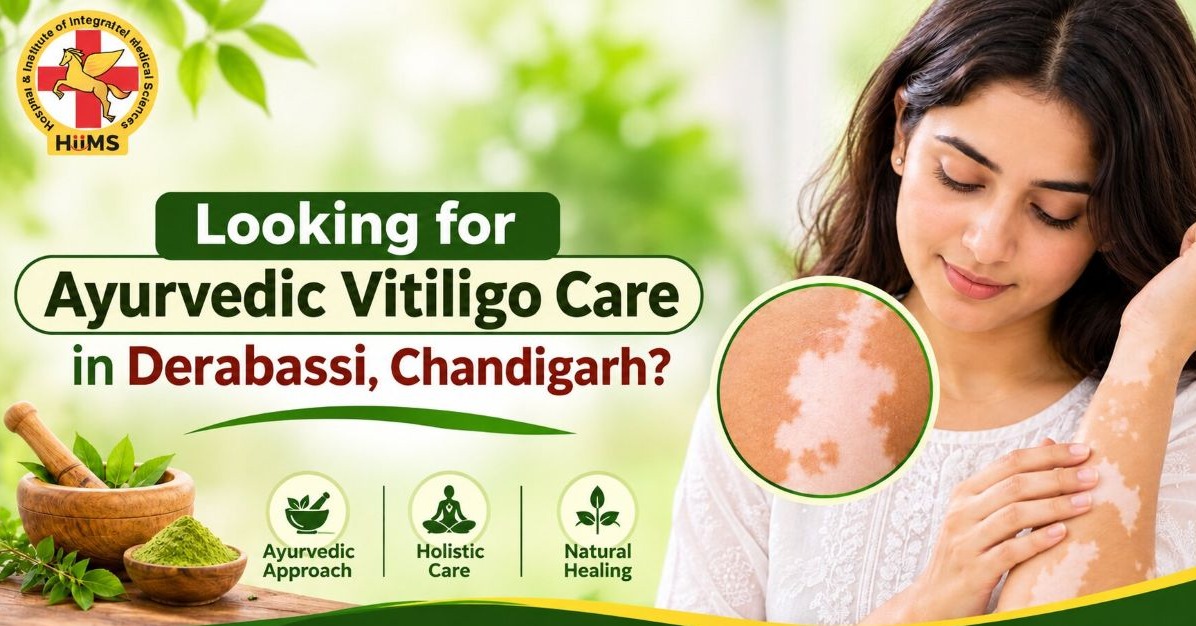
How Vitiligo Usually Looks
Vitiligo often starts as a pale patch that slowly turns completely white. It commonly shows up on the face, neck, hands and in skin folds. Hair growing in the patch may turn white or grey. The patches are usually not painful or dry, although some people feel itching. The skin in a patch is also more prone to sunburn.
The Two Main Types
Non-segmental vitiligo is the most common type. Patches often appear on both sides of the body, in a similar pattern. Segmental vitiligo affects one area of the body and is more common in children. Your doctor can tell you which type you may have, and that helps in planning follow-up.
What May Cause It
Non-segmental vitiligo is thought to be an autoimmune condition, which means the body’s defence system attacks its own pigment-producing cells. Family history and genes are still being studied, and triggers such as sunburn, emotional distress, or chemical exposure may start or worsen it in some people. It is also more common in people who have other autoimmune conditions, such as thyroid disease. Because of this link, a doctor may suggest a thyroid blood test.
What Vitiligo Is Not
It is not an infection, and you cannot catch it from someone else. It is not caused by eating a particular food, such as fish with milk, and it does not mean someone is unclean. These myths often cause more stress than the patches themselves.
If you have questions about your own patches or reports, you can talk to the Jeena Sikho HiiMS team.

How Does Vitiligo Affect Mood and Confidence?
Most people notice the emotional side before the physical side. Problems with confidence and self-esteem are common especially when the patches are on areas that are often seen such as the face and hands.
An Indian study published in the Indian Dermatology Online Journal in 2019 looked at 150 adults with vitiligo who visited an outpatient clinic. Their quality of life was affected to some extent in about 85% of the patients, and depression was seen in 44%. Younger patients mostly in the 18 to 30 age group, had a greater effect on quality of life.
If you feel low, avoid social events, or hide your skin all the time, please talk to someone you trust or a mental health professional. This is not a small thing, and it is a good reason to ask for help.
The Ayurvedic View of White Patches
In Ayurveda, white patches are described under the name Shwitra, which is often linked with Kilasa. Traditional texts connect them with an imbalance of the doshas along with the state of the blood, skin, and digestion. This is a traditional way of explaining the condition, and it does not replace a modern examination.
So what does Ayurvedic vitiligo care in Derabassi, Chandigarh, or anywhere else usually look like? In general, a qualified Ayurvedic practitioner looks at your history, digestion, sleep, stress, and diet, and may suggest changes in routine and food, along with herbal preparations and external applications, if suitable for you. Therapies such as Panchakarma are considered only after a proper check.
What does research say? A 2021 report in the Journal of Ayurveda described one patient with chronic vitiligo who was given an Ayurvedic plan of diet, lifestyle, oral medicines and an external paste. The authors reported new pigmented spots after 3 months, and patches on the chest, neck, and forehead had almost disappeared after 6 months.
One case cannot show what will happen for another person, so please read it as an early report, not as proof. Other doctors, including skin specialists, say the patches are usually long-lasting, and that options generally aim to make them less noticeable. Large controlled studies of Ayurvedic vitiligo care in Derabassi, Chandigarh, or elsewhere are still needed.
Choosing Care in Derabassi: What to Look For
Searching for the right place can feel confusing, because many clinics use similar words. Here are some simple points to check.
Ayurvedic Doctor for Vitiligo in Derabassi
When you meet an Ayurvedic doctor for vitiligo in Derabassi, ask about their qualification and experience with skin conditions. A good doctor listens, examines your skin, asks about your family history and other health issues, and explains the plan in plain words.
They should also be comfortable with you taking advice from a skin specialist at the same time. If you are using any medicines already, tell the doctor, because some herbs can interact with them.
Leukoderma Specialist in Derabassi
A leukoderma specialist in Derabassi can be an Ayurvedic doctor with skin experience or a dermatologist. Many people find it helpful to see a dermatologist first to confirm the diagnosis, check thyroid and other related health issues, and then discuss whether Ayurvedic support can go alongside. Having both views on your reports is useful.
Vitiligo Hospital in Derabassi
If you choose a vitiligo hospital in Derabassi, look at the basics. Does it have doctors you can meet regularly? Does it ask for or review your reports? Is the follow-up clearly explained, and are the costs clear? Do the staff speak honestly about what to expect? A good place will not hurry you.
Here are some warning signs to watch for:
Promises of a full result, or “100% success”
Giving oils or pastes without telling you what is in them
No examination of the skin, and no questions about your health history
Advice to stop your regular medicines without your doctor’s agreement
Pressure to pay for a long package at the very first visit
Daily White Patch Care in Derabassi and at Home
Whichever doctor you choose, a few daily habits can support your skin and mind. These are simple, and you can start today.

1) Protect the Skin from the Sun
Skin with white patches has less melanin and burns more easily. Take extra care in the sun and use a sunscreen with a high SPF. Cover the area with clothing or use shade during strong sun. Sunburn is also a known trigger for patches in some people.
2) Be Gentle With the Skin
Avoid scratching, rubbing hard, harsh scrubs, and tight bands on the patches, since skin damage can be a trigger for some people. Be careful with strong chemicals, such as some hair dyes or skin products, and do a small patch test before using anything new. Use a mild cleanser and a plain moisturiser.
3) Consider Camouflage If You Wish
If the patches are small, skin camouflage creams can cover them, and many people find this makes social situations easier. It is your choice, and there is nothing wrong with leaving the patches uncovered.
4) Look After Stress, Sleep and Meals
Stress is one of the possible triggers. Regular meals, enough sleep and a gentle daily walk help your body and mind. Acharya Manish Ji’s daily routine begins with warm water, light yoga and a 20 to 30 minute walk, which fits well with this.
5) Find Support
Talking to others who live with vitiligo can feel comforting in itself, and support groups can help. Share what you feel with your family, and let them know how they can support you.
How We Support Skin and Overall Wellness
At Jeena Sikho HiiMS, our care is supportive, and it does not replace your doctor’s advice, medicines or tests. We do not have independent research on our own methods for vitiligo, and we do not make promises about changes in patches, so please see our care as support for your overall wellness, not as a fix for the patches themselves. Our approach to Leukoderma care in Derabassi and white patch care in Derabassi begins with a conversation, your reports, and your daily routine.
Reports first: We look at your reports and the medicines you are taking, including any thyroid check your doctor has advised. Panchakarma and herbs are considered only after your reports are reviewed, and any change in your medicines is your doctor’s decision.
Two plates: Acharya Manish Ji’s pH-balanced diet has Plate 1 of raw food and Plate 2 of cooked food, with the raw plate eaten first. Breakfast is 3 to 5 seasonal fruits, lunch begins with a raw salad, the evening is water or herbal tea, and dinner is before sunset. Sweets, bakery items, soft drinks, fried food, maida, and white rice are kept low, and dairy is reduced. The diet is fully vegetarian. If you have diabetes, acidity or another health condition, confirm the portions with your doctor. See the diet plan.
Routine. Warm water on waking, light yoga, a short daily walk, and a regular sleep time form the base of our daily routine advice.
If you would like to know whether our supportive care fits your situation, you can reach out to our team.
Conclusion
Vitiligo is a long-term condition, and the patches are usually long-lasting, but with the right guidance you can look after your skin, protect it from the sun, and look after your confidence too. A calm check with a doctor, a clear idea of what to expect, and steady daily habits are the base. Ayurvedic vitiligo care in Derabassi, Chandigarh can work alongside your doctor’s plan when it is explained honestly, and a good Ayurvedic doctor for vitiligo in Derabassi or leukoderma specialist in Derabassi will tell you the limits as well as the possibilities.
Whether you choose a vitiligo hospital in Derabassi or a clinic, ask questions, keep your reports with you, and take your time. White patch care in Derabassi should always include care for how you feel, not only how your skin looks, and leukoderma care in Derabassi should go at a pace you are comfortable with.
If you would like to share your reports and talk about Ayurvedic vitiligo care in Derabassi, Chandigarh from home, you can speak with the doctors at Jeena Sikho HiiMS Derabassi through a VOPD (virtual OPD).

FAQs
1. Is vitiligo contagious?
No. It is not caused by an infection, and you cannot catch it by touching or sharing things with someone who has it.
2. Do white patches always mean vitiligo?
No. Some other skin conditions can also cause lighter patches, so a doctor should examine the skin before anything else is decided.
3. Can diet alone change white patches?
There is no strong evidence that a single food causes or fixes vitiligo. A balanced, regular diet supports overall health, and your doctor can guide you on your own needs.
4. Should I see a skin specialist or an Ayurvedic doctor?
Many people see both. A dermatologist can confirm the diagnosis and check related conditions, and an Ayurvedic doctor can discuss supportive care. Always tell each doctor about the other advice you are following.
5. Is it safe to apply herbal pastes at home?
Not without advice. Some herbs and chemicals can irritate the skin or react with sunlight, so check with a qualified doctor and do a small patch test first.