When people hear the word cyst, they often feel scared. But not every cyst is dangerous. A kidney cyst is usually a fluid-filled sac that forms on or inside the kidney. Many times, people don’t even know they have it until it shows up in a scan.
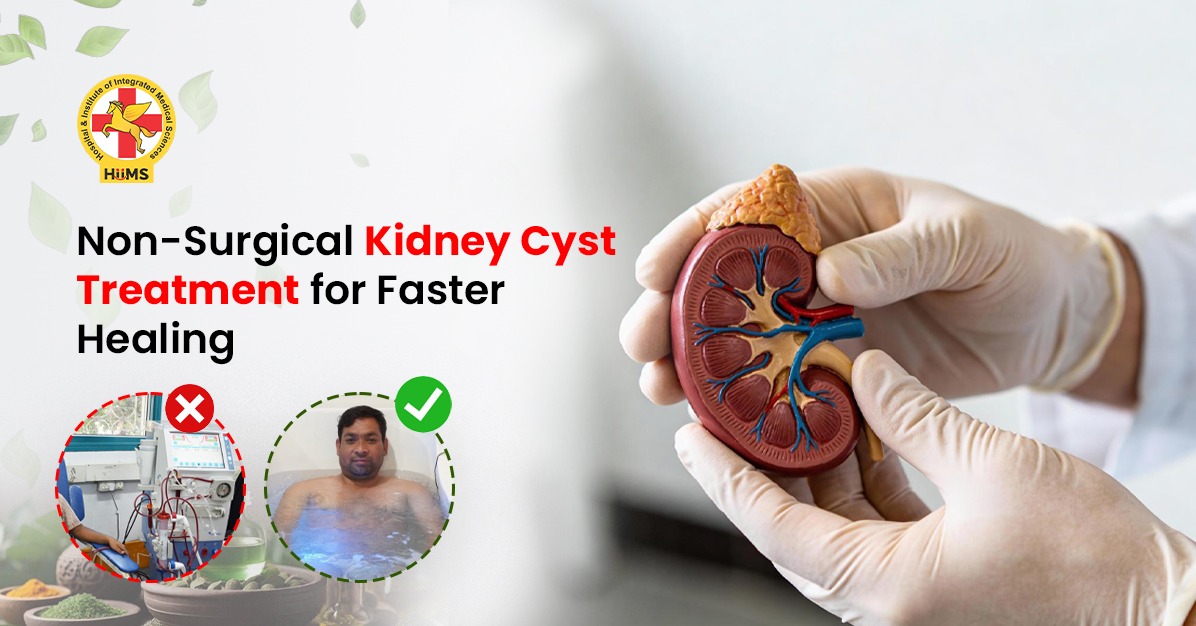
Still, the question that worries most people is, does it need surgery? Or is there a nonsurgical kidney cyst treatment that can help? In this blog, we will understand what a kidney cyst is, when it becomes serious, and how kidney cyst treatment can be managed without surgery in many cases.
What Is a Kidney Cyst?
A kidney cyst is a round sac filled with fluid. Some cysts are small and harmless. These are called simple cysts. They usually do not cause major problems. But sometimes cysts grow larger or cause discomfort. Sometimes, a cyst may grow bigger or start causing discomfort. In rare situations, it can even affect kidney function.
Common Symptoms of Kidney Cyst
Many kidney cysts do not cause symptoms. But when they grow, a person may feel:
Pain in the back or side.
Fever (if infection occurs).
Frequent urination.
Blood in urine.
High blood pressure.
If you experience any of these signs, it’s best to speak with a kidney specialist.
Non-Surgical Kidney Cyst Treatment with Ayurvedic Support
Non-surgical kidney cyst treatment works on controlling symptoms, avoiding infection, and helping kidney function stay stable. Surgery is not required in every case. Usually, regular follow-ups and proper care work well.
Medical Monitoring
A kidney specialist may suggest regular scans to check cyst size and kidney function. If infection develops, proper kidney infection treatment is required. Blood pressure control is also important because high BP can put extra strain on the kidneys.
Ayurvedic Approach to Kidney Cyst
Ayurveda links kidney cysts to internal toxin buildup and body imbalance. The focus is on reducing internal pressure and helping the kidneys recover naturally.
The focus remains on:
Improving urine flow.
Helping the kidneys filter waste properly.
Reducing internal inflammation.
Correcting digestion.
Based on the patient’s condition, detox therapies and herbal support may be included.
At Jeena Sikho HiiMS Derabassi, non-surgical kidney cyst treatment is started only after proper assessment. Doctors review reports carefully and look at the patient’s complete health condition.
After evaluation, Panchakarma, GRAD support, herbal advice, and diet correction are introduced gradually with proper medical supervision. The aim is steady improvement and protection of kidney function, not temporary relief.
Panchakarma Detox Therapy
Panchakarma is a structured Ayurvedic cleansing method that helps remove accumulated toxins.
Therapies may include:
Vamana – Clears built-up toxins under supervision.
Virechana—Supports proper elimination through herbal cleansing.
Basti—Uses medicated oils to balance the body internally.
Nasya—Clears toxins from the head region.
Raktamokshana – Focuses on blood purification.
Together, these therapies reduce internal stress and support kidney health.
GRAD System and Diet Support
GRAD is designed to enhance circulation and encourage natural cleansing in the body.
It may include:
Hot water immersion therapy for relaxation.
Head-down tilt therapy for better kidney circulation.
In the plant-focused DIP diet, meals are based on fruits, vegetables, and whole grains.
Processed and heavy foods are kept low to reduce pressure on the kidneys.
Supportive Therapies
Swedana (herbal steam therapy) encourages better circulation and helps the body release toxins through sweat.
Abhyanga (oil massage) calms the body and encourages natural cleansing.
Herbal Support for Kidney Health
Ayurvedic herbs are used carefully under supervision:
Punarnava—Helps reduce swelling and improve urine flow.
Gokshura – Supports the urinary system.
Varun – Often included for kidney support and managing stones.
Haridra—Linked with reducing inflammation.
Palash—Encourages internal detox balance.
When Should You Visit a Kidney Hospital?
You should seek medical care if the pain becomes severe, a fever develops, urine changes color, swelling appears in the body, or kidney reports show abnormal results. These signs should not be ignored. Early kidney disease treatment can help prevent complications and protect kidney function before the condition becomes more serious.
Conclusion
In many situations, non-surgical kidney cyst treatment is possible, particularly if the cyst is uncomplicated and detected early. Keeping up with regular check-ups, treating any kidney infection on time, managing blood pressure, and staying under proper supervision are important.
Individuals with symptoms or a diagnosed kidney cyst are advised to consult a qualified kidney specialist. For consultation, call +8042755629 or email care@jeenasikho.com.
FAQs
1. Are all kidney cysts dangerous?
Many simple kidney cysts are harmless and only need monitoring.
2. Can kidney cysts go away on their own?
Small cysts may remain stable. Regular follow-up is important.
3. Is surgery always required?
Surgery is only advised in specific cases.
4. Can infection happen in a kidney cyst?
It can, but it requires proper kidney infection treatment.
5. Which doctor should I consult?
If you’re unsure whom to consult, a kidney specialist, or nephrologist, is the appropriate doctor.