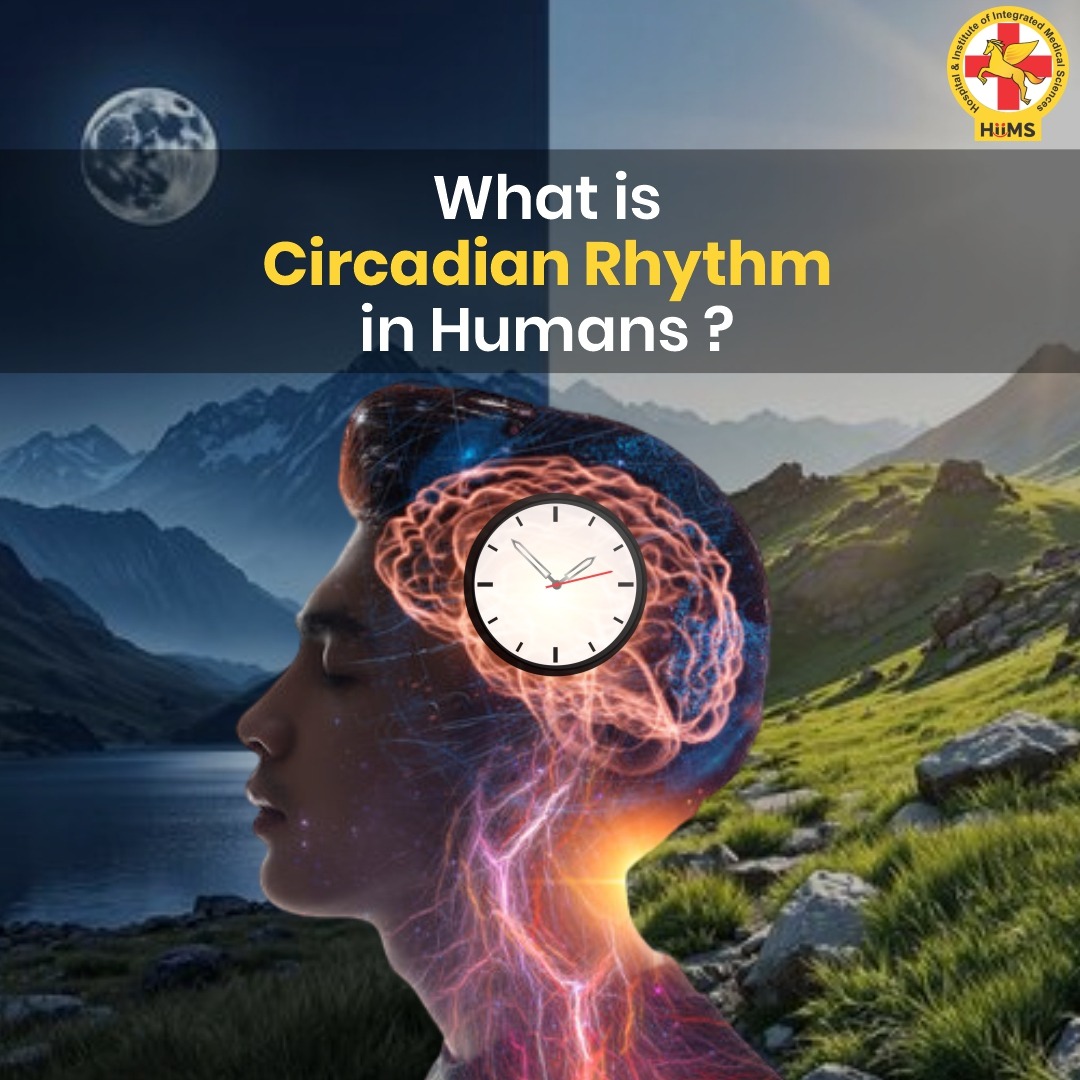
The circadian rhythm in humans is like an internal clock that tells our body when to wake up, eat, sleep, and even when to heal. In Ayurveda, this rhythm is deeply connected to the sun's movements, the balance of doshas (Vata, Pitta, Kapha), and our daily routines (Dinacharya). It is not just about sleep; it guides digestion, hormones, mood, and overall well-being. Modern science calls this the biological clock, and Ayurveda has described it for thousands of years through daily and seasonal cycles (Dincharya and Ritucharya). This ancient science believes living against nature’s cycle can cause sleep issues, poor digestion, fatigue, and other lifestyle-related diseases.
The human circadian rhythm is strongly linked with sunrise and sunset. Ayurveda teaches us to eat, work, and sleep at the right time to keep this rhythm healthy. When we follow nature’s timing, our body heals, our mind stays calm, and our energy stays balanced.
Ayurvedic View on Circadian Rhythm: The Healing Clock
Ayurveda says the body works in cycles, divided by the dominance of Vata, Pitta, and Kapha energies in different parts of the day and night. When our daily routine aligns with these energies, the sleep-wake cycle becomes smooth, digestion improves, and our mind stays calm. Ayurveda also recommends waking up at Brahma Muhurat (before dawn), having the heaviest meal at lunchtime, and going to bed at 10 PM. This habit supports healthy melatonin and circadian rhythm regulation so the body can rest and repair naturally. Late-night work, eating at odd hours, and emotional stress can disturb sleep patterns, leading to dosha imbalance and health issues.
Types, Causes, and Symptoms of Circadian Imbalances
1. What Are Circadian Rhythm Disorders?
When the body's internal timing gets out of sync with the external world, it can lead to circadian rhythm disorders. This mismatch may cause difficulty falling asleep, staying awake, concentrating, or managing energy levels throughout the day.
2. Common Disorders Include:
Delayed Sleep Phase Disorder: The person falls asleep late and has trouble waking up on time.
Advanced Sleep Phase Disorder: Early evening sleepiness and very early morning awakening.
Shift Work Disorder: This disorder is caused by irregular hours and working nights that disrupt the sleep cycle.
Jet Lag Syndrome: Temporary misalignment from travelling across time zones.
Key causes include:
Excess exposure to artificial light and circadian rhythm disruption due to screens at night.
Irregular sleeping or eating schedules.
Lack of sunlight exposure in the morning.
Disruption from long-term night shifts.
Poor lifestyle and dietary habits.
4. Symptoms of Circadian Misalignment:
Daytime fatigue and irritability.
Insomnia or non-restorative sleep.
Loss of appetite or poor digestion.
Hormonal imbalances.
Low immunity and cognitive fog.
Ayurvedic Treatment: Restore Your Biological Clock Naturally
In Ayurveda, restoring the circadian rhythm in humans is done with natural, daily practices. Here’s a simple guide:
1. Dinacharya (Daily Routine)
Follow nature’s timing:
Wake up before sunrise (Brahma Muhurat 4–6 AM)
Cleanse body: tongue scraping, oil pulling, and bowel movement.
Exercise: Yoga, walking, Surya Namaskar
Meditate to calm the mind.
Eat breakfast between 7–8 AM.
Main meal at noon when Pitta is strongest
Light dinner before 7 PM
Sleep before 10 PM for better circadian rhythm and sleep alignment.
2. Herbs to Balance Body Clock
Ashwagandha: Reduces stress and balances sleep-wake rhythm.
Brahmi: Calms the mind and supports brain function
Shankhpushpi: Improves sleep and mental peace.
Tagar (Valerian): Natural sleep enhancer
Jatamansi: Grounding herb for Vata imbalance
These herbs are available in churna, capsule, or decoction form and should be used under Ayurvedic guidance.
3. Agni Balancing (Improving Digestion)
An intense digestive fire keeps doshas in balance. To improve Agni:
Drink warm water throughout the day
Avoid cold, processed, or late-night food.
Eat fresh, sattvic meals at regular times.
4. Yoga & Meditation
Yoga poses like Balasana, Viparita Karani, and Padmasana help relax the nervous system.
Meditate daily to balance the biological clock regulation and clear mental clutter.
Pranayama (like Anulom-Vilom) balances breath and sleep.
5. Light Exposure & Sun Therapy
Get natural sunlight within 1 hour of waking up to reset the inner clock
Limit screen time at night to avoid circadian rhythm disorders
Night Shift Workers: Ayurvedic Guidance
If you work in shifts or travel a lot, follow these to reduce harm:
Practice grounding techniques, such as massaging your body with sesame oil.
Take warm herbal teas with Brahmi or Ashwagandha.
Eat at fixed times, even during night shifts.
Sleep in complete darkness during the daytime.
Use Nasya therapy (applying oil in nostrils) to calm Vata.
Ayurveda can help minimise the impact of night shift and circadian rhythm disruption by providing natural grounding tools.
Conclusion
When the circadian rhythm in humans is aligned with nature, the body heals, rejuvenates, and functions at its best. But in today’s fast-paced, screen-driven world, many people unknowingly push their body clock out of sync, leading to fatigue, insomnia, digestive issues, and emotional stress.
Ayurveda provides a time-tested, natural system to realign the human circadian rhythm—using daily routines, herbs, therapies, and mindful living. Understanding and respecting your body’s natural cycle allows you to experience better sleep, improved digestion, mental clarity, and long-term wellness.
FAQs
1. How does circadian rhythm work in the body?
Circadian rhythm uses natural signals like sunlight and darkness to manage sleep, energy, digestion, and healing processes.
2. How does the human circadian rhythm affect health?
It keeps your sleep, digestion, and hormones in sync with the natural world.
3. How does melatonin relate to the circadian rhythm?
Both are closely linked, as melatonin signals the body when it's time to sleep, based on light and darkness.
4. How do light and circadian rhythm work together?
Light and circadian rhythm are connected because sunlight helps set your healthy sleep and wake cycles.
5. Why is night shift and circadian rhythm imbalance harmful?
It confuses natural rest cycles, weakens digestion, and increases Vata imbalance.