Piles is a problem that many people face, but very few talk about openly. It can cause pain, itching, swelling, and sometimes bleeding during bowel movements. Because of hesitation or fear, people often delay treatment, which makes the condition worse over time. If you are dealing with such discomfort, finding the right piles hospital becomes very important. A good place for treatment not only focuses on relief but also understands the root cause of the problem.
At Jeena Sikho HiiMS, the treatment approach is not the usual one. Instead of just managing symptoms, the focus is on natural healing methods that work gently on the body. Many people today are looking for safer and more long-term solutions, and that is why natural care is getting attention. This blog will help you understand piles in a simple way, how it starts, and what you should look for while choosing the best hospital for proper care.
What Exactly Are Piles and Why Do They Occur
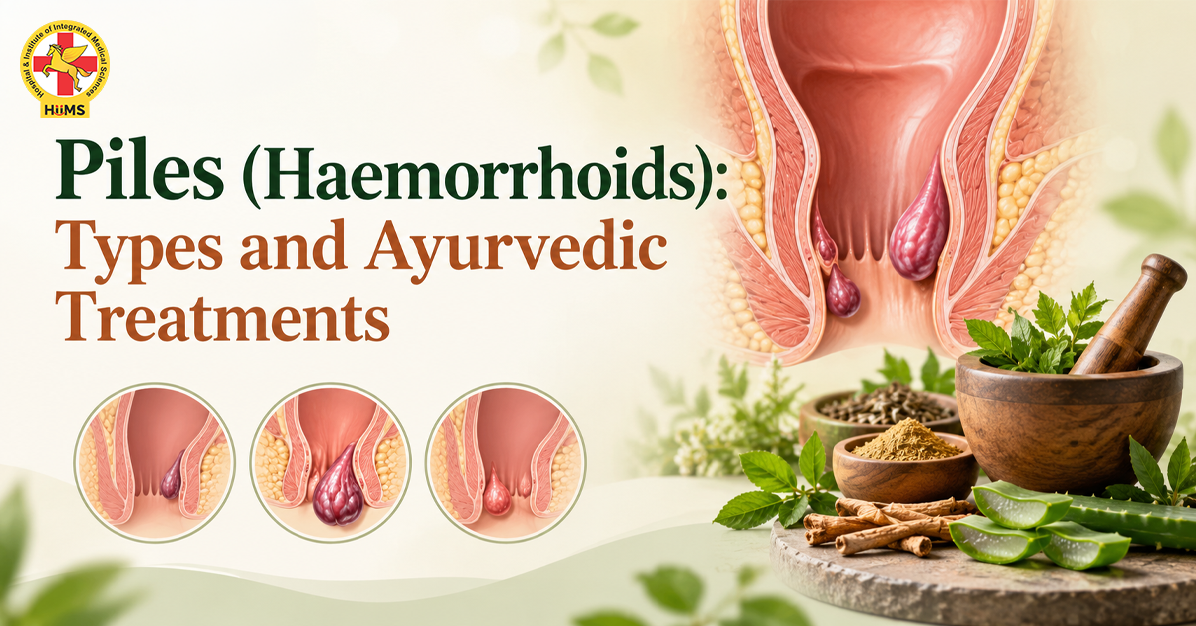
Piles occur when the veins present in the lower rectum or around the anus swell up. These veins can enlarge because of pressure, much like varicose veins that form in the legs.
Some common reasons behind piles include:
Long sitting hours.
Constipation or hard stools.
Low fiber diet.
Lack of physical activity.
Straining during bowel movement.
Over time, these small issues build up and lead to discomfort. That is why early care is always better.
Common Signs You Should Not Ignore
Piles may start small but can become painful if ignored. Here are some signs that you should pay attention to:
Pain during passing stool
Bleeding from the anus
Itching or irritation
Swelling around the anal area
Feeling of incomplete bowel movement
If you notice these symptoms, it is better to consult a piles doctor instead of waiting.
Why Choosing the Right Piles Hospital Matters
Not every hospital provides the same type of care. Choosing the right piles hospital can make a big difference in your recovery.
A good hospital should:
Pay attention to the main reason, not only the symptoms
Offer safe and natural healing options
Provide proper guidance on diet and lifestyle
Have experienced doctors who understand the condition deeply
Many people rush into quick solutions, but they often do not give long-term relief. That is why selecting the right place is important.
Natural Approach vs Temporary Relief
Most people go for quick relief methods, but these may not always solve the actual problem. They may reduce pain for some time, but the issue can come back again.
Natural approaches take a different path and focus on:
Improving digestion
Making bowel movements smooth
Reducing pressure on veins
Helping the body heal slowly and naturally
At hospitals like Jeena Sikho HiiMS, care is planned in a way that supports the body instead of forcing quick fixes.
What Happens During Piles Treatment
When you visit a piles hospital, the first step is understanding your condition. Every person is different, so treatment should also be different.
A proper piles treatment plan may include:
Checking your symptoms and lifestyle
Guiding you about food habits
Suggesting simple natural therapies
Helping you build a daily routine
The focus is not just on removing pain but on stopping the problem from coming back.
Role of Diet and Daily Habits
Food plays a very big role in piles. Many people ignore this part, but it is one of the main reasons behind the problem.
Some helpful habits include:
Eating fiber-rich food like fruits and vegetables
Drinking enough water
Avoiding spicy and processed food
Staying active and avoiding long sitting
A good piles clinic will always guide you on these small but important changes.
Why People Are Moving Towards Natural Care
Now more people are becoming aware that quick treatments do not always mean complete healing. They want something that is safe and works for the long term.
Natural care is preferred because:
It is gentle on the body
It focuses on lifestyle correction
It works on digestion and gut health
It reduces chances of the problem coming back
This shift in thinking has made natural hospitals more trusted today.
How Jeena Sikho HiiMS Helps in Piles Care
In the middle of so many treatment options, Jeena Sikho HiiMS stands out for its simple and natural approach.
Here, the focus is on:
Understanding the root cause of piles.
Guiding patients with easy lifestyle changes.
Using natural therapies such as Kshar Sutra under expert care.
Giving time for proper healing instead of rushing.
Patients are not just treated but guided step by step so they can take care of their health even after treatment.
When Should You Visit a Hospital
Many people wait until the pain becomes severe. But early care can save you from bigger problems.
You should visit a piles hospital if:
Symptoms are not going away
Pain is increasing
Bleeding happens regularly
Daily life is getting affected
Delaying can make the condition more difficult to manage.
Simple Tips to Prevent Piles
Prevention is always better than a cure. Small daily changes can help you stay away from piles.
Do not ignore the urge to pass stool
Avoid sitting for too long
Eat fresh and simple food
Stay hydrated
Keep your digestion healthy
Even simple steps like these can have a strong impact on your health.
Conclusion
Choosing the right piles hospital is not only about getting treatment; it is about selecting a safe and long-term path for your health. Piles can feel uncomfortable, but with proper care, it can be managed and even prevented. Natural methods are helping many people today because they focus on the root cause and overall well-being.
At Jeena Sikho HiiMS, the aim is to guide patients in a simple and natural way so they can feel better without stress. If you are facing such issues, you can also explore VOPD consultation and talk to experts for proper guidance. Taking the right step at the right time can make your life easier and healthier.
Also Read About:
FAQs
1. What are piles in simple words?
Piles are swollen veins in the lower rectum or around the anus that can cause pain and discomfort.
2. What is the main reason behind this problem?
The most common reason is constipation and putting too much pressure while passing stool.
3. Can this issue go away on its own?
In the early stages, it may improve with proper diet and habits, but ignoring it can make it worse.
4. Is bleeding always a serious sign?
Not always, but it should never be ignored and needs proper checking.
5. Who is more likely to face this condition?
People with a poor diet, less activity, or long sitting habits are more at risk.