Piles is something which no person would like to talk about but matters exist. The pain may be a little but you might go unnoticed but over time when the pain and swelling increase in size and begin to interfere in your daily routine.
A piles specialist often sees patients who waited too long, thinking it would settle on its own. The truth is, understanding the causes early makes a big difference in how easily it can be managed.
This blog is meant to explain the common reasons behind piles pain and swelling, and what people usually consider when looking for options like a piles doctor, home remedies for piles, or even a piles hospital near me.
What Are Piles?
Piles, also known as hemorrhoids, are swollen veins in the lower rectum or around the anus. They can be internal or external, and symptoms may vary from person to person.
Common Causes of Piles Pain and Swelling
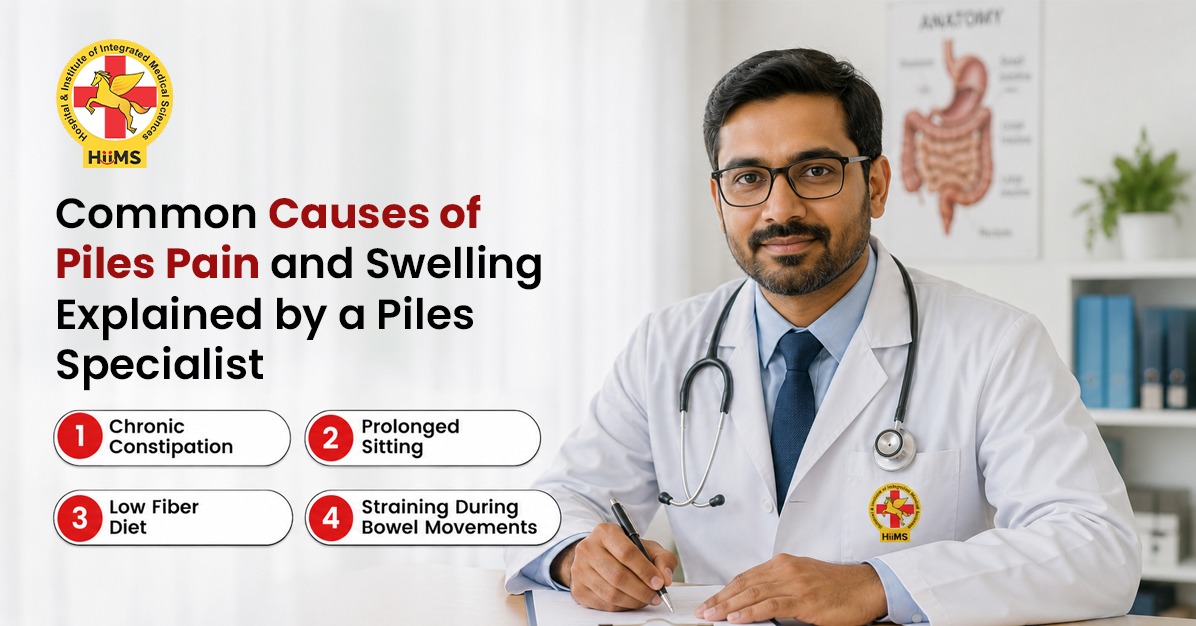
1. Chronic Constipation
This is one of the most common reasons. Straining during bowel movements puts pressure on veins, leading to swelling and pain.
2. Sitting for Long Hours
People who sit for extended periods, especially without movement, may experience increased pressure in the rectal area.
3. Low-Fibre Diet
Not eating enough fibre can lead to hard stools, which makes passing stool difficult and painful.
4. Pregnancy
In some women, gestation increases the pressure in pelvic veins leading to piles.
5. Obesity
The excess weight you carry can put more strain on your lower body, leading to the piles.
6. Heavy Lifting
The rectal veins can be pressured by repeated lifting of heavy objects without doing so correctly.
Signs You Should Not Ignore
Pain during bowel movements
Swelling around the anus
Bleeding after passing stool
Itching or irritation
Feeling of incomplete bowel movement
If these signs continue, it is better to consult a piles doctor instead of ignoring them.
How to Treat Piles
People often search for how to treat piles, but the approach depends on the severity.
Basic Care
Drink more water
Eat more fiber
Don't strain
Go to the bathroom at the same time each day
Home Remedies for Piles
Some commonly followed home remedies for piles include:
Warm sitz bath
Applying cold compress
Eating fiber-rich foods
Staying physically active
These may help in early stages but are not always enough for severe cases.
When to Visit a Piles Hospital
For anyone suffering from worsening pain, swelling, or bleeding, it's time to start googling piles hospital near me or search for piles specialist. Booking an early appointment will help you to bypass any future problems and know the right course of action to take.
Natural and Holistic Support
Many people also explore natural approaches along with medical care. These usually focus on:
Diet correction
Improving digestion
Lifestyle changes
Stress management
Centers like Jeena Sikho HiiMS follow a more balanced approach where the focus stays on overall digestive health and daily routine, not just symptoms.
Conclusion
Most often piles, aches, and swelling come into existence because of some common daily activities that are neglected for a period of time. Understanding the reasons behind the emergence of piles and addressing it at the earliest is much more convenient. Once you find a piles specialist, make your daily routine, and take consultation, it gets much easier to handle piles and carry on with your daily life without any disturbance.
If you are looking for advice, we at Jeena Sikho HiiMS provide VOPD consultation. Connect with us: +918121783217 | care@jeenasikho.com. At least take consultation to help you to get ahead.

FAQs
1. What causes piles' pain and swelling?
Common causes include constipation, a low-fibre diet, prolonged sitting, and straining during bowel movements.
2. Do haemorrhoids ever go away on their own?
Mild cases of hemorrhoids might disappear with a few lifestyle adjustments, but if you still notice some symptoms, it's always a good idea to see a doctor.
3. What are the best home remedies for haemorrhoids?
Soaking in a warm bath, incorporating more high-fiber foods and fluids into your diet, and reducing the urge to strain while using the toilet can all bring you some relief.
4. When should I see a doctor about haemorrhoids?
Experiencing some discomfort, bleeding or swelling? It might be the time to schedule an appointment with a specialist.
You can search online, or speak with reputable healthcare facilities in your area to learn more about your treatment options.