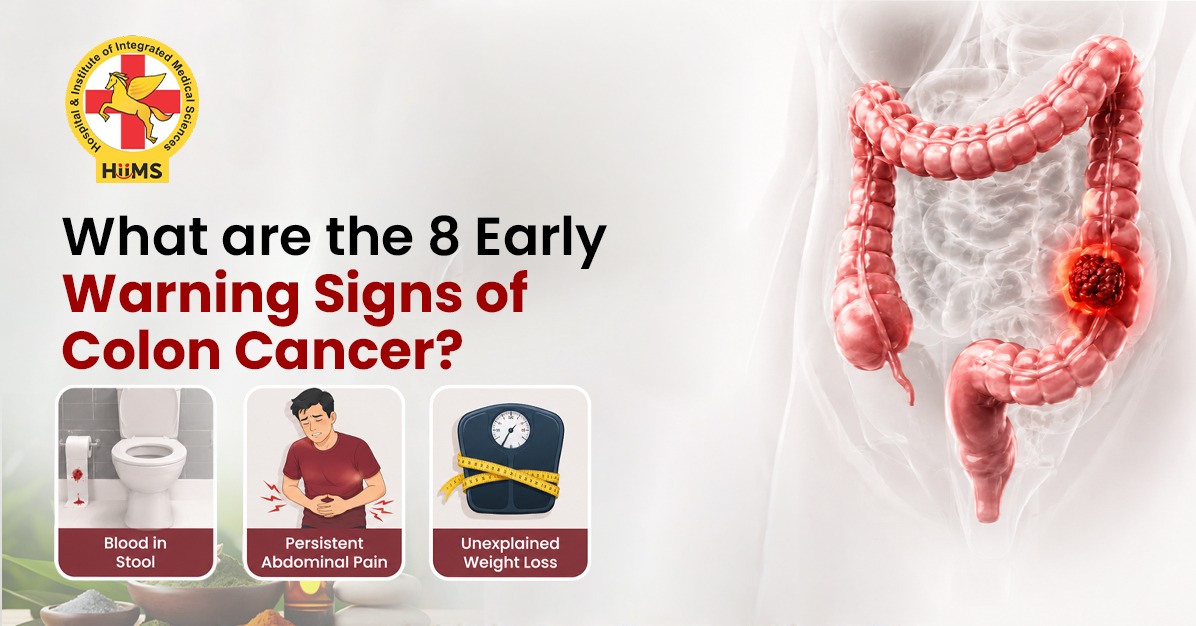
The human digestive system works continuously to process food, absorb nutrients, and eliminate waste. However when abnormal cellular growth occurs in the large intestine, it can lead to colon cancer. In many cases, this condition begins quietly as small, non cancerous clumps of cells known as polyps. Over several years, some of these polyps can gradually undergo genetic mutations and turn into malignant tumours.
Recognising the early signs of colon cancer such as blood in the stool, persistent changes in bowel habits, unexplained weight loss and chronic fatigue, is crucial for early detection. Because early stage polyps often cause minimal discomfort, understanding subtle warning signals allows for timely screening and far better long-term treatment results.
Understanding Colon Cancer Causes & Risk Factors
While cancer can develop in anyone research shows that a combination of genetic predispositions and daily environmental factors drives its development. Understanding colon cancer causes helps you make informed decisions about your health.
Risk factors include
Dietary and Lifestyle Habits: Consuming high amounts of processed or red meats while missing out on dietary fibre slows down digestion. This increases the time metabolic waste stays in contact with the intestinal lining. Sedentary lifestyles, obesity, heavy alcohol use and smoking further increase tissue inflammation.
Family History and Genetics: If colon polyps or conditions like Lynch syndrome run in your family your chances of developing colon cancer are much higher.
Inflammatory Bowel Diseases: Chronic conditions such as Crohn’s disease or ulcerative colitis irritate the lining of the colon which can cause abnormal cell growth over time.
The 8 Early Warning Signs of Colon Cancer You Shouldn't Ignore
Recognising common colon cancer symptoms empowers you to seek medical evaluation before the condition advances. Spotting the early signs of colon cancer can make all the difference in treatment outcomes.
Changes in Bowel Habits
One of the first signs is a sudden and lasting change in your bowel habits. This may be persistent diarrhoea, ongoing constipation or a pattern of alternating diarrhoea and constipation for more than two weeks without any obvious dietary trigger.
Blood in Stool or Rectal Bleeding
Never ignore blood in the toilet or on toilet paper. Blood may be evident as bright red streaks or dark, tarry stools, indicating bleeding in the digestive tract. Haemorrhoids produce similar problems but constant bleeding should be checked out by a professional.
Abdominal Discomfort
Regular abdominal cramping, gas, bloating or a feeling of fullness that does not go away after normal digestion may be a sign of a partial blockage or irritation in the colon passage.
Feeling of Incomplete Bowel Emptying
Also called tenesmus is the continuing urge to pass urine even just after you have had a bowel movement. This feeling is often caused by a growing lump in the lower intestine.
Unexplained Weight Loss
If you are losing weight rapidly without any changes to your diet or exercise routine this could be a sign of a systemic problem. Tumours consume a lot of metabolic energy and inflammation may cause issues with the absorption of nutrients.
Chronic Fatigue and Weakness
Slow, unseen blood loss from small intestinal tumours can cause a steady drop in red blood cells, leading to iron deficiency anaemia. This leaves individuals feeling exhausted, weak or short of breath during routine physical activities.
Narrow or Pencil-Thin Stools
As a tumour grows inside the colon it narrows the passage through which waste travels. If you notice that your stools have become consistently thin, narrow or ribbon like, it indicates a physical restriction in the intestinal tract.
Unexplained Loss of Appetite or Nausea
Partial blockages or metabolic shifts caused by growing tissue can lead to early satiety, feeling full after eating very little food along with unexplained nausea or a complete loss of appetite.
Overview of Colon Cancer Stages
Doctors classify colon cancer stages based on how far abnormal tissue has penetrated the intestinal wall and whether it has spread to neighbouring lymph nodes or distant organs.
Stage 0 & 1 - The growth is localised entirely within the innermost lining or muscular layer of the colon wall. At this point removing the polyp or tissue often resolves the issue.
Stage 2 & 3 - The cancer has grown deeper into or through the outer wall of the colon. In Stage III it has spread to nearby lymph nodes requiring broader treatment to ensure all abnormal cells are addressed
Stage 4 - Cancer that has spread through the blood or lymph system to other parts of the body such as the liver or lungs.
Why Choose Jeena Sikho HiiMS for Integrated & Holistic Care
Managing gastrointestinal wellness requires a balanced approach that supports the body as a whole. Jeena Sikho HiiMS focuses on root cause care by helping patients balance digestive fire and remove metabolic waste that burdens the gut.
By combining traditional wellness protocols with modern clinical evaluations Jeena Sikho HiiMS provides a comprehensive healing environment.
At the hospital, the care focuses on keeping your gut calm and working smoothly through personalised, easy to digest meal plans that reduce strain on your digestive system. This clean diet is paired with herbal support and Panchkarma detox therapies that protect the intestinal lining and support natural cleansing process of the body. On top of that HiiMS helps patients understand their own bodies better to spot the early signs of colon cancer and make smart decisions about their health.
Conclusion
Your digestive tract plays a central role in your overall energy, immunity and daily wellbeing. Adopting a fibre-rich diet, staying physically active and paying attention to the early signs of colon cancer give you the best chance of maintaining long term gut health.
If you are looking for a natural, effective colon cancer treatment, visit your nearby Jeena Sikho HiiMS or book an appointment to consult an experienced Ayurvedic doctor online to receive a personalised treatment plan.

FAQs
What are the most common early signs of colon cancer?
The most frequent early indicators include lasting changes in bowel frequency, blood in the stool, ongoing abdominal cramps, unexplained weight loss, and chronic fatigue stemming from low iron levels.
What are the primary colon cancer causes?
While exact triggers vary key factors include inherited genetic mutations, chronic intestinal inflammation, low-fibre diet high in processed meats, sedentary lifestyle, smoking and age.
Can colon cancer symptoms be confused with other issues?
Yes. Early signs like rectal bleeding or gas pain are frequently mistaken for haemorrhoids, irritable bowel syndrome or stomach ulcers. If symptoms persist for more than two weeks getting a proper medical checkup is recommended.
How do colon cancer symptoms differ from irritable bowel syndrome?
Unlike IBS, noticeable colon cancer symptoms often involve unexplained weight loss, persistent rectal bleeding or iron deficiency anaemia which require medical evaluation.
How does early diagnosis impact survival rates across different colon cancer stages?
Diagnosing disease at early colon cancer stages yields a 5-year survival rate above 90%, whereas survival drops significantly if the cancer spreads to distant organs.