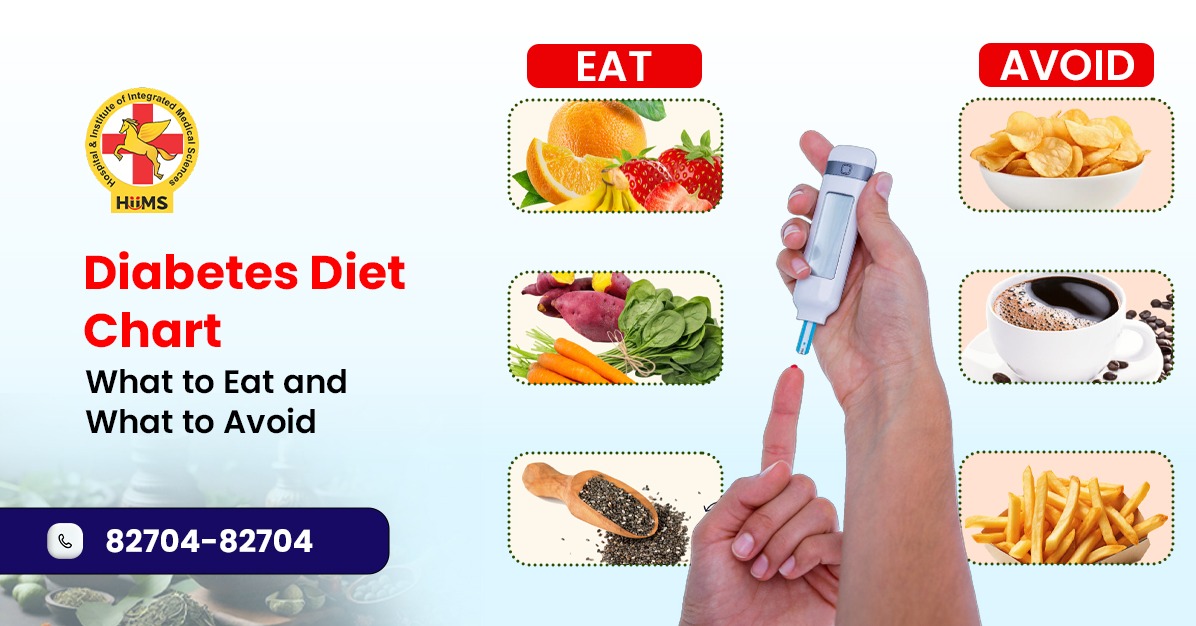
Managing diabetes is not only about checking sugar levels or taking medicines on time. What you eat every day plays a huge role in how stable your blood sugar stays. This is where a well-planned diabetes diet chart becomes important. Many people with diabetes or pre-diabetes struggle because they either eat too little, skip meals, or follow random food advice from different sources. The purpose of this blog is to give you clear, simple, and practical guidance on what to eat and what to avoid if you want better blood sugar control.
A balanced diabetes diet focuses on plant-based foods that digest slowly, provide steady energy, and do not cause sudden sugar spikes. In some Ayurvedic hospitals, special attention is given to natural eating patterns like the DIP Diet, which follows fixed meal timings, plant-based food choices, and disciplined daily habits to help manage blood sugar. Whether you are just starting out or have been managing diabetes for years, this blog offers easy food guidance to help you maintain balanced sugar levels and feel better every day.
Why a Proper Diabetes Diet Chart Matters
A proper diabetes diet chart brings structure to daily eating, helping the body handle sugar more steadily throughout the day. A diabetes diet chart helps:
Prevent sudden glucose spikes and crashes
Improve digestion and energy levels
Reduce dependence on frequent snacking
Support long-term blood sugar balance
When combined with guidance from a diabetes doctor, the right diet becomes a strong foundation for diabetes management.
Core Principles of a Blood Sugar Control Diet
Before looking at foods, it’s important to understand how a diabetes-friendly diet works:
Eat at regular intervals
Focus on fiber-rich plant foods
Avoid refined and processed items
Keep portions balanced
Prefer simple, home-cooked meals
Diabetes Diet Chart
A diabetes diet works best when it supports digestion, meal timing, and food order—not just food selection. The DIP Diet followed at Jeena Sikho HiiMS is built on this simple idea. Instead of focusing on calorie counting, it follows an easy eating order that helps improve digestion and avoid sudden sugar spikes. The two-plate method starts with raw foods, followed by cooked meals. It helps control sugar absorption and keeps digestion light, which suits people dealing with diabetes and pre-diabetes.
DIP Diet Plate Rule
Plate 1: Raw foods such as fruits or salads.
Plate 2: Cooked foods like millets, vegetables, and dals.
Plate 1 is eaten first, followed immediately by Plate 2 without a long gap. This eating order helps improve digestion and maintain steady sugar levels.
Morning Diet Plan for Diabetes (7:00–9:00 AM)
Can be followed by people with diabetes and those managing early pre-diabetes. It is considered one of the best pre-diabetes diets.
Lunch Diet Plan for Diabetes (1:00–2:00 PM)
White rice and refined flour are best avoided, as millets and whole foods digest slowly and support better sugar balance.
Dinner Diet Plan for Diabetes (Before Sunset)
Dinner should always be light in any diabetes diet plan.
Option 1 (Very Light Dinner)
Option 2 (Light & Balanced Dinner)
Eating before sunset helps digestion and prevents overnight sugar fluctuations.
Foods to Avoid in Diabetes
Avoid/Limit Table
Role of a Diabetes Doctor
Every individual’s body responds differently, whether it is medicine or any kind of therapy. A diabetes doctor helps:
Personalize your diet plan
Adjust food portions
Monitor sugar trends
Combine diet with lifestyle therapies
A diet works best when guided professionally and monitored by a specialist.
Conclusion
Rather than strict restrictions, a diabetes diet chart works better when it focuses on healthy choices and regular eating habits. The DIP Diet by Jeena Sikho HiiMS follows a disciplined, plant-based routine that supports balanced sugar levels and steady energy. For individual advice, it is always helpful to consult an experienced doctor.
Call: +91 82704 82704
Email: care@jeenasikho.com.
Take the first step toward better blood sugar control—one mindful meal at a time.
FAQs
1. Can a diabetes diet chart really help control blood sugar?
A planned diabetes diet chart helps keep meals regular and balanced, making it easier to manage blood sugar during the day.
2. Can people with pre-diabetes follow this diet?
This diet works well for those in the early phase of pre-diabetes because it emphasizes controlled portions, good digestion, and plant-based food choices.
3. What does the DIP Diet method in this chart involve?
It follows a two-step eating pattern in which raw foods are eaten first, followed by cooked meals, to support better digestion and balanced sugar response.
4. Can fruits be included in a diabetes diet every day?
Fruits may be included daily in limited amounts, ideally during the first half of the day and separately from heavy meals.
5. Are millets better than rice for diabetes?
Millets digest more slowly than refined rice and are commonly preferred in diabetes-friendly diet plans for better sugar balance.