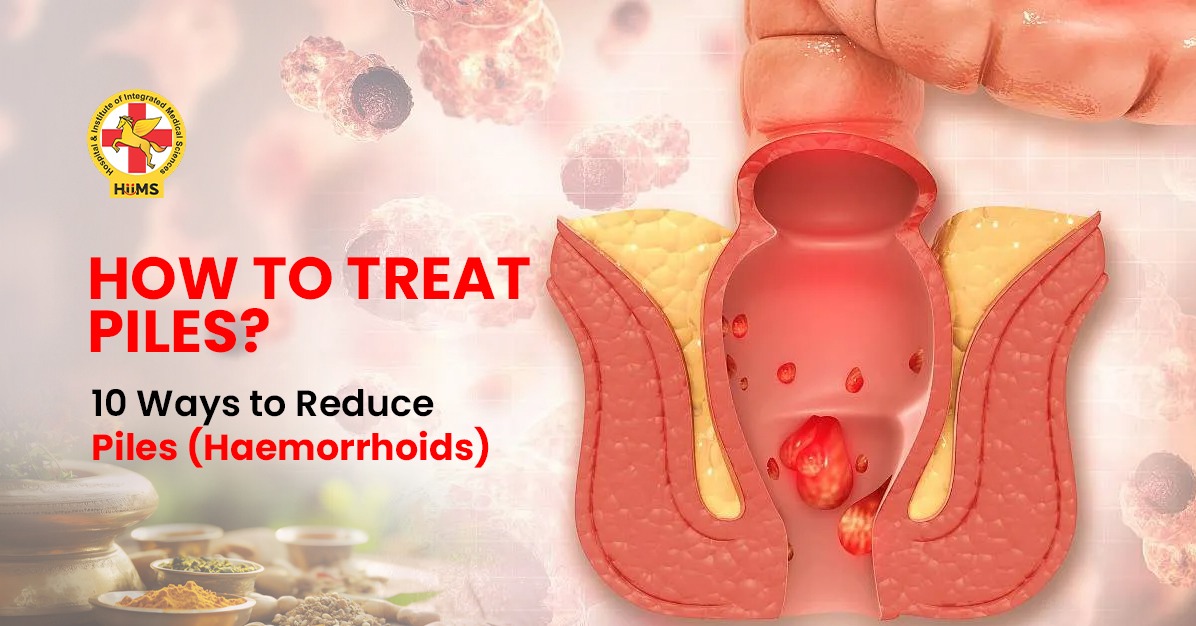
Piles, also known as haemorrhoids, are a common problem that many people face today. It happens when the veins in the lower rectum or around the anus become swollen. This can cause pain, itching, discomfort, and sometimes bleeding during passing stool. Many people feel shy to talk about it, so they ignore the problem in the beginning.
If you are searching for how to treat piles, it is important to understand that this condition is often linked with daily habits. Eating low-fibre food, not drinking enough water, and sitting for long hours are some of the common reasons.
The good thing is that piles can be managed if proper care is taken at the right time. In this blog, we will explain 10 ways to reduce piles (haemorrhoids) in a simple and clear way so that anyone can understand and follow them easily.
What Are Piles and Why Do They Happen?
Piles develop when there is extra pressure on the veins in the rectal area. This pressure causes swelling, which leads to discomfort.
Common causes include:
Constipation and straining during bowel movement
Sitting for long hours
Eating low-fibre food
Lack of physical activity
Pregnancy
Being overweight
Many people keep looking for how to treat piles, but do not focus on the causes. If the reason is not managed, the problem may come back again.
Effective Ways to Reduce Piles (Haemorrhoids) Naturally
1. Add Fibre to Your Diet
A simple step in how to treat piles is improving your diet. Fibre helps in making stool soft and easy to pass.
Eat:
Fruits like banana and papaya
Green vegetables
Whole grains
Avoid too much spicy and oily food.
2. Drink Enough Water
Drink 8 to 10 glasses of water daily.
It helps prevent constipation and keeps digestion smooth.
3. Do Not Strain During Stool
Straining increases pressure on veins.
Do not sit for too long in the toilet
Do not force bowel movement
Go when you feel the urge
This is an important part of the piles treatment.
4. Stay Physically Active
Regular movement improves digestion.
Go for a daily walk
Avoid sitting for long hours
Do light exercise
5. Maintain Cleanliness
Keep the area clean to avoid irritation.
Wash with lukewarm water
Avoid harsh soaps
Use a soft cloth or tissue
6. Take a Warm Sitz Bath
Sit in warm water for 10 to 15 minutes.
Reduces pain
Helps in relaxation
Improves blood flow
7. Avoid Long Sitting
Sitting for long hours increases pressure.
Take small breaks
Do not sit continuously
8. Consider Natural Support Options
Many people looking for piles treatment also explore natural and herbal options for better comfort. Ayurvedic formulations made with traditional herbs are often used in daily routines to manage symptoms gently.
For example, Pilfree capsules are one such option that people choose as part of natural care approaches and are often considered among the best medicine for piles in herbal support.
Benefits:
Helps maintain comfort
Supports bowel movement
Helps reduce gas
9. Follow a Regular Toilet Routine
Having a fixed routine helps digestion.
Go at the same time daily
Do not delay bowel movement
10. Manage Your Weight
Extra weight increases pressure on veins.
Eat balanced food
Stay active
Kshar Sutra Therapy: A Traditional Approach to Managing Piles
kshar sutra treatment is an Ayurvedic method used for managing piles. It is a simple procedure where a medicated thread is used on the affected area.
Works slowly on swollen tissue
Helps in natural healing
Does not require major surgery
Chances of recurrence are lower
This method is often considered when people keep searching for how to treat piles but do not get enough relief with basic care.
Why Piles Need to Be Treated at the Right Time
Many people ignore piles in the beginning because they feel it is a small problem. But if not managed on time, it can become more uncomfortable.
Pain may increase
Bleeding can become frequent
A daily routine can get disturbed
Taking care early makes the condition easier to manage. It also helps in avoiding further discomfort.
Conclusion
Piles may feel uncomfortable, but they can be managed with simple steps. Eating fibre-rich food, drinking enough water, and staying active can help a lot. Understanding how to treat piles at the right time can prevent the condition from getting worse.
Following these easy methods can help you feel better and stay comfortable in your daily life. Small changes in routine and proper care can make a big difference over time.
Also Read about:
FAQs
1. What are piles?
Piles are swollen veins in the lower rectum or around the anus that can cause pain and discomfort.
2. What are the common symptoms of piles?
Common signs include pain, itching, swelling, and sometimes bleeding during passing stool.
3. What causes piles?
They are usually caused by constipation, straining, long sitting hours, and unhealthy eating habits.
4. Can piles go away on their own?
Mild cases may improve with proper diet and daily care.
It is not always serious, but it should not be ignored if symptoms increase.