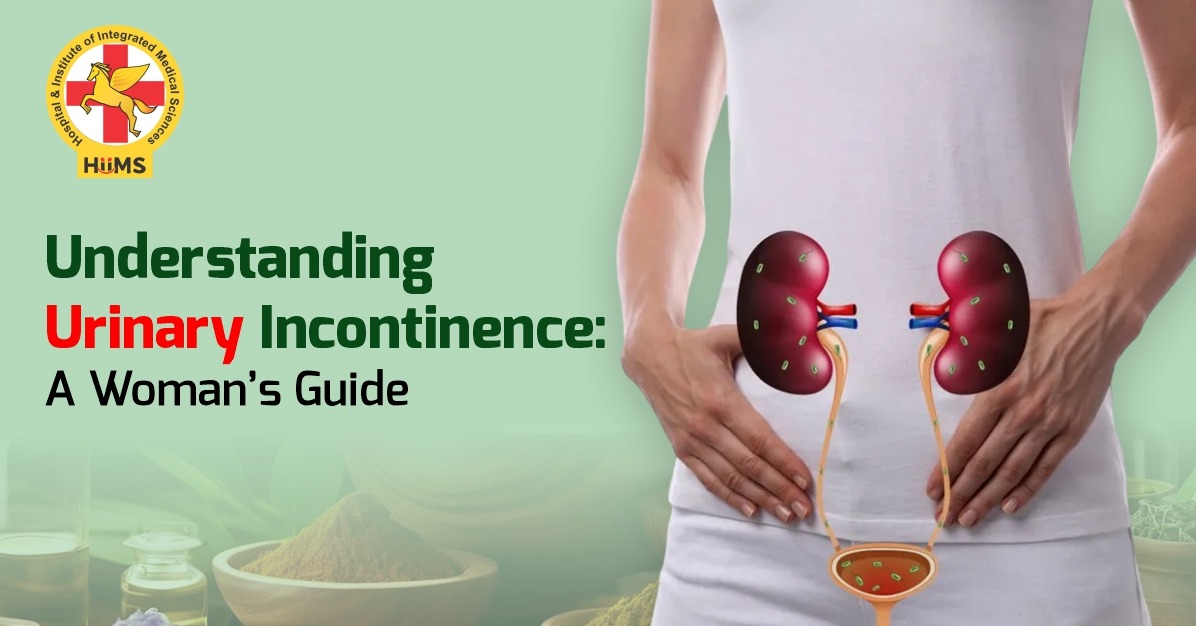
Urinary incontinence in women is not a few drops here and there. It is a highly intimate and, at times, humiliating ailment that millions of women have to live with. Urinary incontinence among women is not as uncommon as most people are inclined to think, yet with the right level of understanding and support, it is possible to get such a condition under control. For those seeking holistic and side-effect-free care, visiting an Ayurvedic Hospital in Navi Mumbai can provide a safe and natural approach to managing incontinence through body detox, herbal therapies, and strengthening remedies. Though initially, it may begin with occasional leakage in the cases of laughing or performing exercises, it can affect confidence, day-to-day activities, and even relationships in the long run. It is possible to take control of their lives by spotting the early symptoms and acting on the causes.
So if you are experiencing light leakage or frequent urges, we will tell you all about it: what are the first signs of urinary incontinence (UI), its types, risk factors, and the role of lifestyle in this condition?
Ayurveda and Women's Urinary Health
In Ayurveda, the urinary system is governed by the Apana Vayu, a sub-dosha of Vata. Any imbalance in Vata dosha or weakened pelvic muscles can disturb this flow, resulting in bladder issues. The goal of Ayurveda is to restore internal balance, whereas modern medicine frequently employs pads, medication, or surgery. Herbal tonics like Ashoka, Gokshura, and Shatavari, combined with therapies like Basti (medicated enema), can offer effective, long-term relief for bladder control. Understanding the types of urinary incontinence helps Ayurvedic practitioners personalize treatments based on dosha and body type.
What Is Urinary Incontinence in Women?
Urinary incontinence in women refers to the involuntary leakage of urine, meaning you may urinate unintentionally due to various physical or neurological reasons. It's not a disease but a symptom of underlying dysfunction in the urinary tract, muscles, or nerves. Women are more prone to it due to pregnancy, childbirth, menopause, and structural differences in the pelvic area.
What Are the First Signs of Urinary Incontinence (UI)?
Recognizing early symptoms can prevent progression. Some common early signs include
Leaking a small amount of urine when you laugh, sneeze, or exercise.
Sudden, intense urge to urinate and not making it to the toilet in time.
Waking up frequently at night to urinate.
Constant dribbling or a feeling of incomplete emptying.
If you're wondering, "What are the first signs of urinary incontinence (UI)?" These symptoms are red flags.
Types of Urinary Incontinence
Understanding the types of urinary incontinence helps in choosing the right approach:
Stress Incontinence: Leakage during activities like sneezing, lifting, or laughing due to weak pelvic muscles.
Urge Incontinence (Overactive Bladder): Sudden intense urge followed by leakage.
Overflow Incontinence: Incomplete emptying causes frequent dribbling.
Functional Incontinence: Physical or mental limitations delay toilet access.
Mixed incontinence is the result of both urge and stress incontinence.
Treatment for urinary incontinence in women may vary depending on the type.
Common Causes and Risk Factors
Several underlying conditions and lifestyle habits contribute to bladder leakage. Here are the most significant common causes and risk factors:
Pregnancy and Childbirth: Weakens pelvic floor muscles.
Menopause: Low estrogen affects bladder lining and strength.
Chronic Constipation: Puts pressure on the pelvic floor.
Obesity: Increases bladder pressure.
Age: Muscle tone and nerve function decline over time.
Certain Medications: Diuretics and sedatives can aggravate symptoms.
UTIs: Can trigger temporary bladder leakage.
Neurological Disorders: MS, Parkinson’s, and strokes affect bladder signals.
Awareness of these common causes and risk factors improves prevention and early intervention.
Lifestyle Factors That Affect Bladder Health
Simple daily habits can either help or harm your bladder control. Some lifestyle factors to keep in mind:
Caffeine and Alcohol: Stimulate bladder muscles.
Low Water Intake: Concentrated urine irritates the bladder.
High-Impact Exercise: Can weaken the pelvic floor if not balanced with support exercises.
Smoking: Chronic coughing weakens muscles and increases the risk.
Sedentary Lifestyle: Reduces muscle tone and circulation.
Poor Posture: Can misalign pelvic support.
Managing these lifestyle factors is the first step to naturally controlling urinary incontinence in women.
Natural Ways to Manage Urinary Incontinence
The following are safe and effective methods to enhance bladder control:
Kegel Exercises: Strengthen pelvic muscles with daily repetitions.
Ashwagandha: This adaptogenic herb calms nerve-related urge incontinence.
Shatavari: Especially beneficial post-menopause for hormonal balance.
Avoid Bladder Irritants: Limit spicy food, citrus fruits, soda, and caffeine.
Bladder Training: Delay urination intervals gradually to retrain the bladder.
Triphala Powder: Promotes regular bowel movements and relieves pressure.
Panchakarma Basti Therapy: Detoxifies and strengthens Apana Vayu control.
Warm Sitz Baths: Soothe inflamed tissues and ease discomfort.
Healthy Diet: Include fibre-rich foods and hydrating fruits like watermelon.
Yoga Poses: Asanas like Malasana and Moola Bandha help tighten pelvic muscles.
Conclusion
Urinary incontinence in women may feel embarrassing or frustrating, but it doesn’t have to control your life. You can take timely action by recognizing the first signs of urinary incontinence (UI) early and understanding your type. Ayurvedic remedies, mindful lifestyle adjustments, and strengthening practices offer a gentle yet powerful solution without relying solely on modern medications or surgery.
Need Natural Help for Bladder Issues?
Find relief with expert Ayurvedic guidance at Jeena Sikho HiiMS Navi Mumbai Hospital. Whether unsure about the first signs of urinary incontinence (UI) or looking for root-cause treatment, our holistic therapies are designed for long-term healing.
Visit your nearest Jeena Sikho HiiMS Hospital today or book a consultation.
FAQs:
1. What are the first signs of urinary incontinence (UI)?
Mild leakage that happens when coughing, sneezing, or laughing is the first sign of urinary incontinence (UI).
2. What are the different types of incontinence in the urine?
Urge, stress, overflow, and combined incontinence are all types of urinary incontinence.
3. Can lifestyle habits trigger bladder issues?
The confounding factors in the lifestyle factors, which may aggravate this condition, include smoking, dehydration, and caffeine.
4. What are the common causes and risk factors for UI in women?
Risk and common causative factors are age, childbirth, obesity, and menopause.
5. When should you see your doctor?Seek professional advice in case of leakage in affairs of comfort, job, and self-assurance.