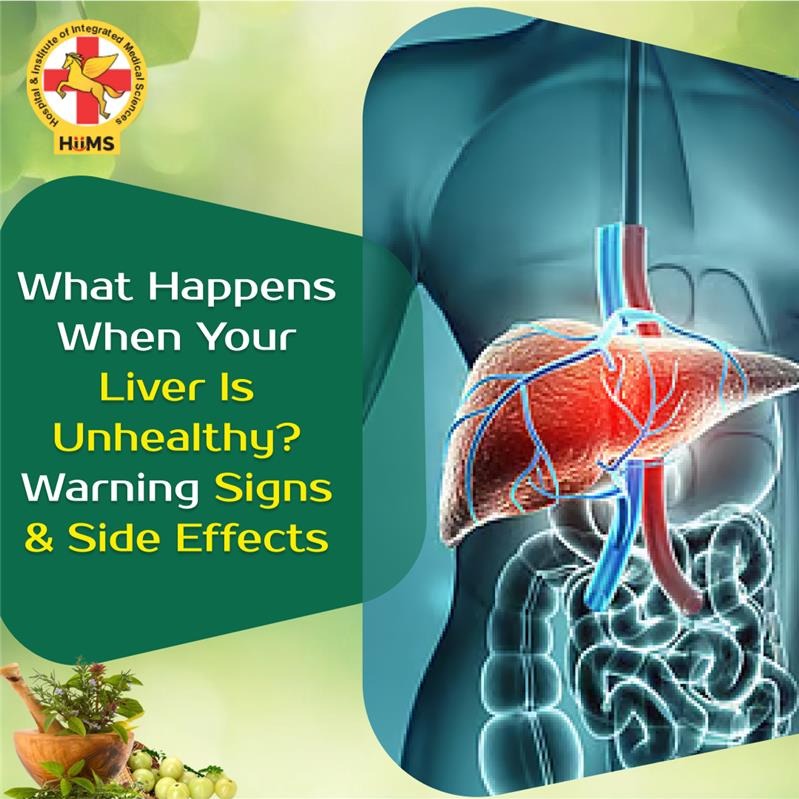
What Happens When Your Liver Is Unhealthy? Warning Signs & Side Effects
The body relies heavily on the liver for important functions every day. It filters toxins, supports digestion, stores nutrients, and plays a big role in keeping your blood clean. But when your liver starts struggling, it often doesn’t show obvious signs at first. Over time, however, an unhealthy liver can impact nearly every system in your body.
Understanding the early signs of an unhealthy liver can help you take the right steps before things become more serious. In this blog, we’ll break down what happens when liver health starts declining, what symptoms to look out for, and the common liver side effects that come with poor liver function.The liver works steadily and silently to keep the body functioning. It processes everything you eat or drink, helps in breaking down fats, and keeps the blood clean by filtering out waste. It also manages hormones, supports your immune system, and stores important vitamins and minerals.
When the liver starts to slow down or gets damaged, the effects don’t show up overnight. But slowly, poor liver function symptoms begin to appear and ignoring them can lead to more serious liver disease symptoms later on.
Early Signs of an Unhealthy Liver
In the early stages, signs of an unhealthy liver are often easy to miss or dismiss. But your body always sends signals, and you just need to pay attention.
Here are some common early signs:
Fatigue or feeling tired often: This is one of the first poor liver function symptoms, as your body struggles to filter toxins and maintain energy levels.
Loss of appetite or sudden weight changes: A stressed liver may disrupt digestion and metabolism.
Mild discomfort in the upper right abdomen: Some people report a dull ache or heaviness in the area where the liver sits.
Dark urine or light-colored stool: These signs may point to trouble with how the liver handles waste.
Itchy or irritated skin: When the liver isn’t working well, bile salts can collect in the body and cause itching.
Not everyone experiences all these signs. But if they continue for several weeks, it's worth paying attention.
HIIMS is a liver specialist hospital in Navi Mumbai that offers expert diagnosis and holistic treatment options.
Common Liver Side Effects and Complications
As liver health worsens, the symptoms become more noticeable and affect daily life. These liver side effects occur when damage continues over time.
Some of the most common include:
Jaundice: Yellowing of the skin or eyes can occur when the liver struggles to filter out bilirubin, a waste product. It’s a common sign linked to liver problems.
Swollen abdomen (ascites): Fluid buildup in the belly can result from pressure changes in liver blood vessels.
Nausea or vomiting: When the liver can’t process toxins well, you may feel unwell, especially after eating.
Swelling in legs and ankles: Another common liver side effect due to fluid imbalance.
Mental confusion or memory problems: Also called hepatic encephalopathy, this happens when toxins start affecting the brain because the liver isn't clearing them effectively.
These are more serious signs of an unhealthy liver and may indicate long-term liver stress or damage.
What Causes Poor Liver Health?
There isn’t just one reason for having an unhealthy liver. Often, it's a mix of lifestyle choices, infections, or underlying medical issues.
Here are common causes:
Excessive alcohol intake: One of the most well-known reasons for liver damage.
Fatty liver (due to poor diet or obesity): A growing problem, especially with high-sugar and high-fat diets.
Hepatitis infections: Especially Hepatitis B and C, which can silently damage the liver over time.
Use of certain medications or drugs: Some medicines can strain the liver when used long-term or in high doses.
Exposure to toxins: Environmental or chemical exposure can contribute to liver issues.
Lifestyle habits play a major role in liver function. Regular late nights, processed food, and high stress levels can also trigger poor liver function symptoms over time.
When to See a Doctor
It’s easy to ignore small changes, but liver problems often build up slowly. If you're noticing two or more of the symptoms listed, like constant fatigue, skin changes, or digestive issues, it’s wise to consult a healthcare provider.
Blood tests like liver function tests (LFTs) can help detect problems early. If caught in time, many liver issues can be managed with lifestyle adjustments, better nutrition, and medical support. HIIMS Navi Mumbai offers integrated care and early diagnosis for liver health.
Supporting Your Liver Naturally
While this blog doesn’t focus on treatment, here are some general practices that may help if you're trying to support liver health naturally:
Drink enough water and stay hydrated
Eat more fruits, vegetables, and whole grains
Avoid heavy alcohol use
Get regular exercise
Limit processed foods and added sugars
These simple steps can help prevent many liver side effects from developing.
Conclusion
Your liver may not complain loudly, but it always gives hints when something’s wrong. Understanding the signs of an unhealthy liver and acting early can make a big difference in how you feel and function day to day.
Whether it’s fatigue, changes in digestion, or swelling in unexpected areas, these poor liver function symptoms are your body’s way of asking for attention. If ignored, they can grow into more serious liver disease symptoms over time.
Paying attention to your body’s signals and going for regular check-ups can help catch issues early. After all, your liver works around the clock, it's only fair to support it back.
FAQs
1. What are early signs of an unhealthy liver?
Tiredness, low appetite, stomach discomfort, and dark urine are common signs of an unhealthy liver.
2. How do liver side effects impact digestion?
They can cause bloating, nausea, and difficulty digesting food.
3. What indicates poor liver function?
Fatigue, swelling, and confusion are key poor liver function symptoms, especially in later stages.
4. Are liver disease symptoms always easy to notice?
Some liver disease symptoms remain hidden until the condition worsens.