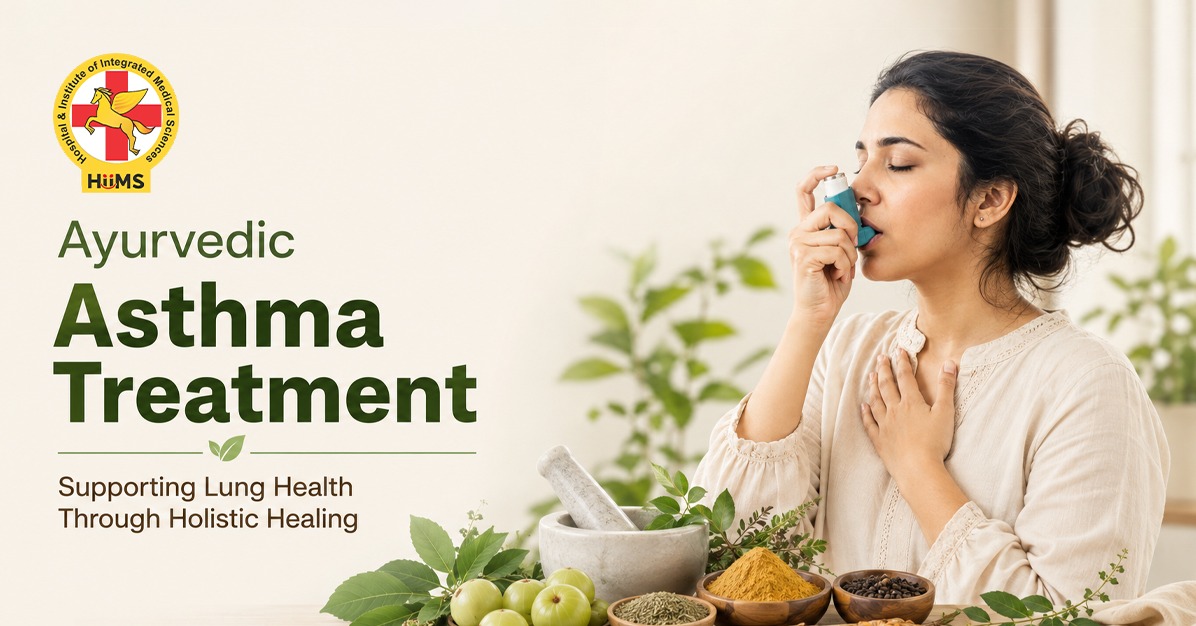
Asthma is a long-term respiratory condition that can make breathing difficult. It may cause re-asthma, which is a chronic lung disease that makes it challenging for one to breathe normally. Some of the conditions that result from asthma include wheezing, shortness of breath, coughing, and chest congestion. For many people, symptoms are triggered by exposure to dust, cold temperatures, pollen, smoke, and exercise. Along with clinical treatment, there are many who try natural remedies that help in maintaining the good health of their lungs.
According to Ayurvedic medicine, asthma is known as Tamaka Shwasa, which is a disease that arises due to the imbalance of both Vata and Kapha dosha. In Ayurvedic terms, the presence of too much of Kapha results in blockage of the air passages, and abnormal behaviour of Vata results in improper movement of the air. In this case, the Ayurvedic asthma treatment does not concentrate solely on management of the symptoms. Rather, this treatment focuses on improving the process of digestion, reducing the build-up of toxins in the body, proper breathing, and strengthening the respiratory system using food, herbal remedies, lifestyle modifications, and personalised treatments.
Understanding Asthma in Ayurveda
Asthma treatment in Ayurveda begins with identifying the imbalance responsible for breathing problems. As per Ayurveda, increased presence of Kapha in the respiratory system hampers the movements of Vata. Consequently, it causes difficulty in breathing and produces symptoms like wheezing, cough, and tightness of the chest.
In Ayurveda, treatment is usually divided into two phases.
1. Symptom management
During times of stress, it is important to manage any additional mucus formation, easy breathing, and any aggravation of doshas.
2. Long-term management of respiratory disorders
If the above-mentioned symptoms have been managed successfully, then the focus should lie on improving digestive system functions, strengthening immunity, and protecting the lungs from future infections.
Ayurvedic Therapies That Support Lung Health
For people with long-standing respiratory concerns, Ayurvedic physicians may recommend certain purification therapies based on the individual's health condition. These therapies should always be performed under expert supervision.
1. Vaman
Vamana is a carefully planned therapeutic procedure that helps remove excess Kapha from the upper respiratory tract. It may be considered in selected individuals after proper assessment.
2. Virechan Therapy
Virechana is the form of detoxification therapy that helps keep the digestion proper and aids in maintaining the flow of Vata inside the body.
3. Snehana and Swedana Therapies
These therapies involve massage using warm oils and then followed by steam treatment. This is used to break down mucus in the body and provides comfort to the chest region.
At Jeena Sikho HiiMS Bengaluru, Ayurvedic therapies are suggested after thorough assessment for matching the health condition of the individual.
Herbs Commonly Used in Natural Asthma Treatment
Herbs have traditionally been used in Ayurveda to ensure breathing wellness. Herbs are selected based on an individual’s body type and existing health conditions.
1. Vasaka
This plant has traditionally been used to keep breathing healthy by helping to expel excessive phlegm from the breathing passages.
2. Pushkarmool
This plant has traditionally been used in Ayurvedic practices to ensure smooth breathing.
3. Kantakari
Kantakari is a plant that helps to maintain healthy respiratory wellness and healthy breathing passages.
4. Yashtimadhu
Yashtimadhu is a plant which is also called 'liquorice' that has traditionally been used to heal sore throats and for respiratory wellness.
5. Sitopaladi Churna
The Sitopaladi Churna herbal mixture is one of the classic Ayurvedic formulations that have been used for healthy respiration and breathing.
These herbs should only be used on the advice of a professional Ayurvedic doctor since each person needs a tailor-made treatment.
Diet Tips During Asthma Treatment
Diet plays an important role in maintaining respiratory health according to Ayurveda. Consumption of light and easily digested food items could be beneficial for healthy digestion and minimising the risk of Kapha imbalance.
The commonly suggested practices in terms of dietary choices are:
Drink plenty of warm water during the day
Consume fresh cooked meals rather than refrigerated ones
Use some digestive spices such as ginger, turmeric, black pepper, garlic, etc.
Consume light and easily digested foods
Do not consume excessive fried food, processed sugar, cold drinks, and heavy milk products on recommendations of your practitioner
Good digestion is essential for Ayurvedic practice because poor digestion leads to the accumulation of Ama, which affects the state of health.
Lifestyle Habits That Support Respiratory Wellness
Lifestyle plays an important role alongside natural asthma treatment. Some simple daily habits that may help support lung health include:
Practise Anulom Vilom with correct supervision.
Do deep breathing exercises regularly.
Be active depending upon your health condition.
Don't smoke and don't be exposed to second-hand smoke.
Protect yourself from dust and pollution as far as possible.
Take proper sleep and keep yourself free from stress.
These habits can become a valuable part of an overall wellness routine.
Why Individualized Care Matters
Each individual has his own form of asthma. While some individuals may have asthmatic reactions based on seasons, others may be affected due to allergies, infections, or environment. The Ayurveda takes into consideration the individuality of each person and thus advises individualised treatment rather than offering a general treatment to all.
At Jeena Sikho HiiMS Bengaluru, trained Ayurvedic physicians analyse one’s condition, physique, digestion, lifestyle, and overall health before recommending appropriate treatments, diet, and herbs.
Conclusion
Ayurvedic asthma treatment takes a holistic approach in which emphasis is placed on improving lung wellness, balancing the doshas, improving digestion, and adopting better lifestyles. This holistic remedy involves using customised therapy, herbs in the right way, mindful eating, and breathing techniques in order to keep the lungs healthy rather than dealing with the symptoms only.
If you want to know more about asthma treatment through Ayurveda, you can visit the expert practitioners of Jeena Sikho HiiMS Bengaluru. You can also book a session with us through online VOPD consultation. Keep on taking asthma medicine prescribed by your doctor.
FAQs
1. Can Ayurveda assist with managing asthma?
Asthma management may be helped by Ayurveda through diet, lifestyle, herbal medicines, and therapy procedures. It needs to be done with the help of professionals.
2. What are the herbs used in Ayurvedic treatment for asthma?
Herbs like Vasaka, Pushkarmool, Kantakari, Yashtimadhu, and Sitopaladi Churna are used for the treatment of asthma.
3. Is Panchakarma treatment required for asthma?
Some types of Panchakarma may be advised to some patients after thorough diagnosis by the doctor.
4. What food must one avoid while suffering from asthma?
Some foods that must be avoided include cold beverages, processed food, fried foods, and dairy products.
5. Are breathing exercises beneficial for asthma?
Some breathing exercises like Anulom Vilom can help manage asthma with proper guidance.