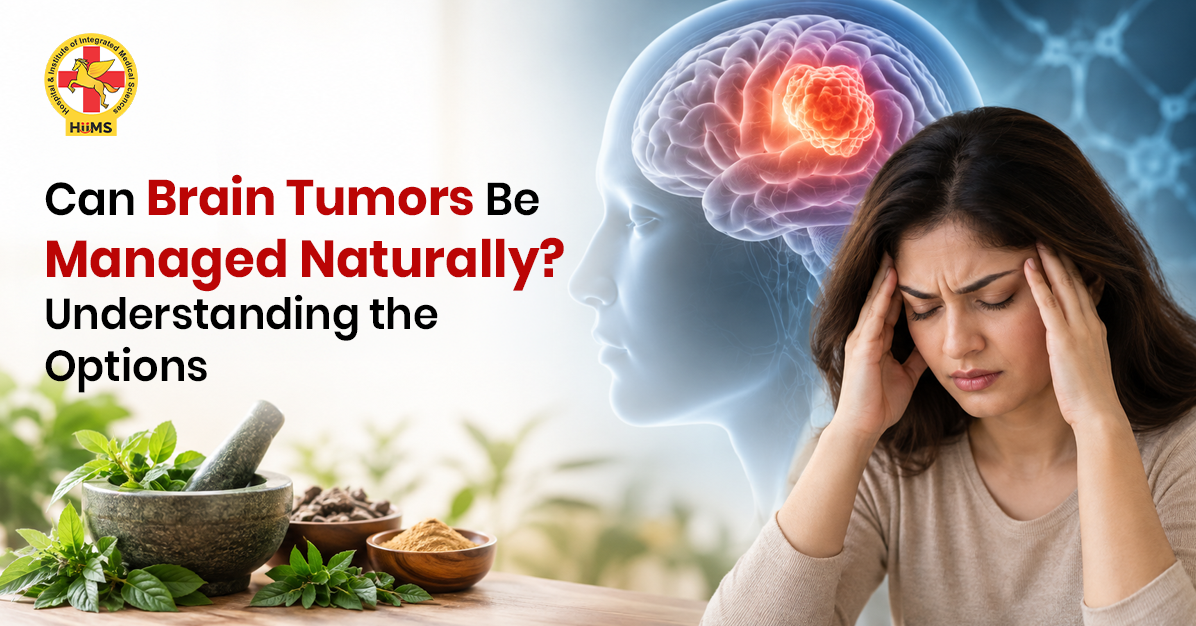
A brain tumor diagnosis changes everything overnight, for the patient and for the whole family around them. Hospital visits, treatment schedules, constant worry-it's a lot to process, and somewhere in the middle of all that, people start asking whether there's anything else that could help alongside whatever treatment is already underway.
Brain tumors are genuinely serious, and nothing here claims to replace medical care. What this blog looks at is what natural support can realistically offer, how symptoms get managed day to day, and what a more holistic approach to brain health might add to an existing treatment plan.
What is a Brain Tumor, Exactly?
A brain tumor is an abnormal growth of cells inside the brain or the tissue surrounding it. Some grow slowly and remain stationary; some are more aggressive and faster-spreading. Data from GLOBOCAN indicate that approximately 322,000 new cases of brain and CNS tumours were diagnosed worldwide in 2022. Though less frequent than many other cancers, it still represents major health problem globally. Few things you should know about brain tumors:
They can be benign (non-cancerous) or malignant
Symptoms depend heavily on where the tumor is located in the brain
Common effects include memory issues, headaches, vision changes, or trouble with speech and movement
Early detection generally makes the overall journey more manageable
Is Natural Brain Tumor Treatment Even a Real Option?
Here's where it's important to be upfront: natural brain tumor treatment isn't a substitute for what your doctor has already recommended. What it can offer is supportive care alongside that plan. At Jeena Sikho HiiMS Bengaluru, natural brain tumor treatment usually includes:
Herbal formulations aimed at supporting overall strength and immunity
Detox-based therapies to help ease the internal load on the body
Dietary correction to support digestion and energy levels through a demanding period
Panchakarma based therapies which form a core part of the supportive care here
Panchakarma therapies include Virechana for digestive cleansing, Basti to help balance Vata dosha, and Nasya, where medicated oils are administered through the nasal passages, based on the Ayurvedic principle that the nose connects directly to the head region.
The goal isn't to work in isolation; it's to support the person going through a genuinely tough medical journey, alongside whatever their doctor has already put in place.

How Do You Actually Manage Symptoms Day to Day?
Living with a brain tumor often means dealing with a mix of physical and emotional symptoms at once. Good brain tumor symptoms management usually looks at both together:
Managing fatigue through rest, gentle movement, and proper nutrition
Addressing headaches or pressure-related discomfort with proper medical guidance
Supporting mood and mental clarity, since brain tumors can genuinely affect both
Keeping close track of new or worsening symptoms through regular check-ins
None of this replaces medical monitoring; it's about making the day-to-day experience a little more manageable through a long, difficult stretch.
What Role Does Brain Health and Wellness Actually Play Here?
This is where a broader lens comes in. Brain health and wellness aren't just about the tumor itself; it's about supporting the nervous system, easing unnecessary internal stress and keeping the rest of the body functioning as well as it can during a tough period.
Ayurveda approaches this through diet, detox-based therapies, and daily routine, all aimed at reducing the internal burden on the body so it has more capacity to cope with an already demanding treatment journey.
A Real Example of What This Can Look Like
There is a documented case from Jeena Sikho HiiMS involving a patient who'd been dealing with a brain tumor for over seven years, having already spent a significant amount on treatment before it kept returning.
After starting an integrated care plan involving Ayurvedic therapies, detox support, and dietary correction, he reported feeling noticeably lighter within about two weeks, with some of the swelling and tightness around his face and eye easing up.
It's worth being clear here: the tumor itself hadn't disappeared, and he continued ongoing treatment and monitoring. What changed was his day-to-day comfort and overall outlook, which honestly matters a lot for someone going through something this long and draining.
Check more details here:
Brain Tumor Patient Success Story at HiiMS.
What Does Lifestyle Support for Brain Tumor Patients Actually Involve?
Beyond formal therapies, everyday habits genuinely shape how someone copes with a diagnosis like this. Lifestyle support for brain tumor patients typically includes:
Nutrient dense diet that is easily digestible and doesn’t put more strain on the digestive system
Gentle movement, depending on what the patient can actually manage day-to-day
Emotional & mental health support as a diagnosis like this effects so much more than just the body
A calm, structured daily routine that reduces unnecessary physical and emotional strain
Why Does the Emotional Side Matter So Much Here?
This part often gets overlooked in a purely clinical setting. A brain tumor doesn't just affect the body; it touches mental health, financial stability, and family relationships all at once.
Emotional support, whether through counseling, family involvement, or simply being treated as a person rather than a case file, tends to make a real difference in how someone experiences their treatment journey.
Conclusion
Brain tumors are complex, and there's no shortcut around proper medical care. What natural and lifestyle-based support can offer is a way to ease the burden alongside treatment, supporting comfort, strength, and overall well-being through a genuinely difficult time.

If you or someone in your family is navigating a brain tumor diagnosis and wants to understand how an integrated, supportive approach could fit alongside your current treatment, you can book a VOPD consultation with Jeena Sikho HiiMS Bengaluru and talk through the specifics with our team.
FAQ’s
1) Can natural treatment shrink a brain tumor on its own?
No, natural approaches are meant to support the body alongside medical treatment, not replace what your doctor has already recommended.
2) What kind of diet is usually recommended for brain tumor patients?
A light, nutrient-dense diet that's easy to digest is generally recommended, though it should be personalized to the patient's specific condition and stage.
3) Is Ayurveda safe to use alongside a doctor's prescribed treatment plan?
Many patients combine supportive Ayurvedic care with their existing treatment, but this should always be discussed openly with their treating doctor first.
4) How important is emotional support during brain tumor treatment?
Very important: the diagnosis affects mental health and family life significantly, and emotional support often plays a real role in how someone copes through the process.
5) Can lifestyle changes alone manage a brain tumor?
No, lifestyle changes are a complement to overall well-being and comfort, not a substitute for adequate medical diagnosis, monitoring, and treatment.
Disclaimer: The information provided on this blog is for general educational and informational purposes only. It is not intended to replace professional medical advice, diagnosis, or treatment. Always consult a qualified healthcare professional before making any changes to your diet, lifestyle, or treatment plan. Individual results may vary.