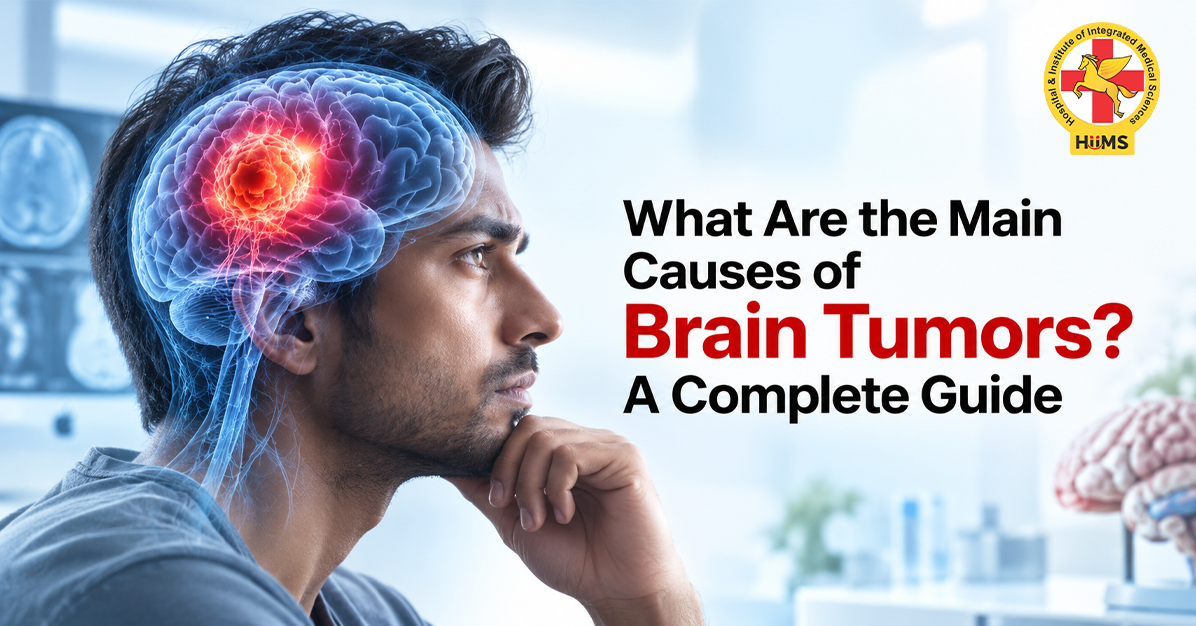
A brain tumor can raise a very personal question: what caused it? The answer is not always clear and simple. A tumor develops when cells in the brain or nearby tissues begin growing in an abnormal way, but doctors cannot identify one definite reason in many cases.
Changes in a cell’s DNA can affect how it grows and divides, yet those changes may happen during a person’s lifetime without an obvious outside trigger. A few factors, such as previous exposure to high-dose radiation and certain inherited conditions, are linked with a higher chance of particular tumors. Understanding these differences is important because a risk factor is not the same as a direct cause.
In this blog, we will look at the known causes of brain tumours, common risk factors, symptoms that deserve attention, and how Ayurveda can be included as part of a broader approach to health and wellbeing.
What Is a Brain Tumor?
A brain tumor is an abnormal growth of cells in the brain or in tissues around it. Not every tumor is cancerous, some remain contained, while others can grow into nearby tissues. Doctors generally distinguish between primary brain tumors, which begin in the brain or surrounding tissues, and secondary or metastatic tumors, which begin elsewhere in the body and later reach the brain. There are many types of brain tumors, and their effects can differ according to their location, size, type and rate of growth.
What Are the Main Causes of Brain Tumors?
When people search for brain tumor causes, they often expect a list of habits or foods responsible for the condition. Research does not provide such a simple answer. The American Cancer Society explains that the exact cause of most brain and spinal cord tumors is still not fully understood. Researchers know that changes in genes can interfere with the normal control of cell growth and division, but in many people, it remains unclear why those changes occurred.
Changes in Cell DNA
DNA works like an instruction guide inside our cells. When certain genes change, the usual signals that control cell growth and division can become disturbed. Several such changes may be involved in the development of a tumor. Most of these changes are acquired during life rather than passed down from parents, and they do not always have an identifiable cause. This is one reason the causes of brain tumours cannot be traced to one common factor for every patient.
Previous Exposure to Ionising Radiation
High-dose ionising radiation is one of the clearest environmental factors linked with some brain tumors. The risk is particularly associated with radiation treatment involving the head for another condition. Radiation-related tumors are uncommon, and the benefits of necessary radiation treatment may outweigh this later risk for people who need it.
Inherited Genetic Conditions
A small number of people have inherited conditions that increase their chance of developing particular brain or spinal cord tumors. These include neurofibromatosis, Li-Fraumeni syndrome, tuberous sclerosis and von Hippel-Lindau disease.
A Weakened Immune System
A severely weakened immune system is associated with a higher chance of primary central nervous system lymphoma, a specific type of tumor. This can occur in people with certain diseases or after treatments that suppress the immune system. It should not be taken to mean that low immunity is responsible for all brain cancer causes, because different tumors develop through different pathways.
Brain Tumor Risk Factors in Adults: What Do We Know?
Some brain tumor risk factors in adults are better established than others. Age can influence the likelihood of particular tumor types, while certain inherited syndromes can raise the risk of specific tumors. Previous exposure to ionising radiation is another recognised factor. At the same time, having a risk factor does not mean that a person will definitely develop a tumor. Many people have no identifiable risk factor when their tumor is diagnosed.
What About Mobile Phones, Head Injury and Diet?
This is an area where online information can become confusing. Research has not established a convincing link between brain tumors and cellphone use, head injury, diet or everyday electromagnetic fields. Some of these areas continue to be studied, but they should not be presented as proven brain tumor causes. Keeping this distinction clear can help readers avoid unnecessary fear and focus on information that has stronger scientific backing.
How Can Ayurveda Support Overall Brain and Body Wellness?
Ayurveda takes a wider view of health by giving attention to food habits, digestion, sleep, daily routine and the balance of Vata, Pitta and Kapha. At Jeena Sikho HiiMS, this perspective can be incorporated into an integrated plan according to a person's individual condition and healthcare needs.
Simple practices such as regular sleep, suitable meals, gentle yoga, breathing exercises and meditation can form part of a healthy routine. These measures are best understood as supportive wellness practices rather than a replacement for the evaluation or treatment of a diagnosed brain tumor.
An Integrated Approach at Jeena Sikho HiiMS
For someone dealing with a serious brain condition, care needs to be planned around the actual diagnosis, symptoms and overall health. Ayurveda may be considered alongside appropriate medical care, with attention to nutrition, routine, rest and general wellbeing. This approach also allows patients to discuss their concerns with healthcare professionals instead of relying on assumptions about the brain cancer causes.
Conclusion
There is no single explanation for all causes of brain tumours. In many cases, the reason remains unknown, while factors such as ionising radiation and certain inherited conditions are associated with particular tumors.
Paying attention to new or persistent symptoms and seeking timely evaluation remains important. Ayurveda can have a place in supportive wellness through appropriate food, sleep, daily routines, yoga and other practices suited to the individual.

If you are concerned about a brain-related health issue or want to understand your available care options, you can also opt for a VOPD consultation with expert doctors at Jeena Sikho HiiMS and discuss your concerns from the comfort of your home.
FAQs
Q1: What are the main causes of brain tumors?
Most brain tumors do not have one clearly identified cause; genetic changes, previous ionising radiation and certain inherited conditions are associated with some tumors.
Q2: What are the common signs of a brain tumor?
Persistent headaches, seizures, vision or speech changes, balance problems, weakness and changes in memory or behaviour can occur, depending on the tumor.
Q3: Are all brain tumors cancerous?
Brain tumors can be benign or malignant, and their effects depend on the tumor's type, location, size and growth pattern.
Q4: Can mobile phone use lead to a brain tumor?
Current research has not established a convincing link between cellphone use and brain tumors, although the subject continues to be studied.
Q5: Can brain tumors be prevented?
There is currently no established way to prevent most brain tumors because their causes remain unknown, limiting unnecessary radiation exposure is one recognised consideration.
Disclaimer: The information provided on this blog is for general educational and informational purposes only. It is not intended to replace professional medical advice, diagnosis, or treatment. Always consult a qualified healthcare professional before making any changes to your diet, lifestyle, or treatment plan. Individual results may vary.