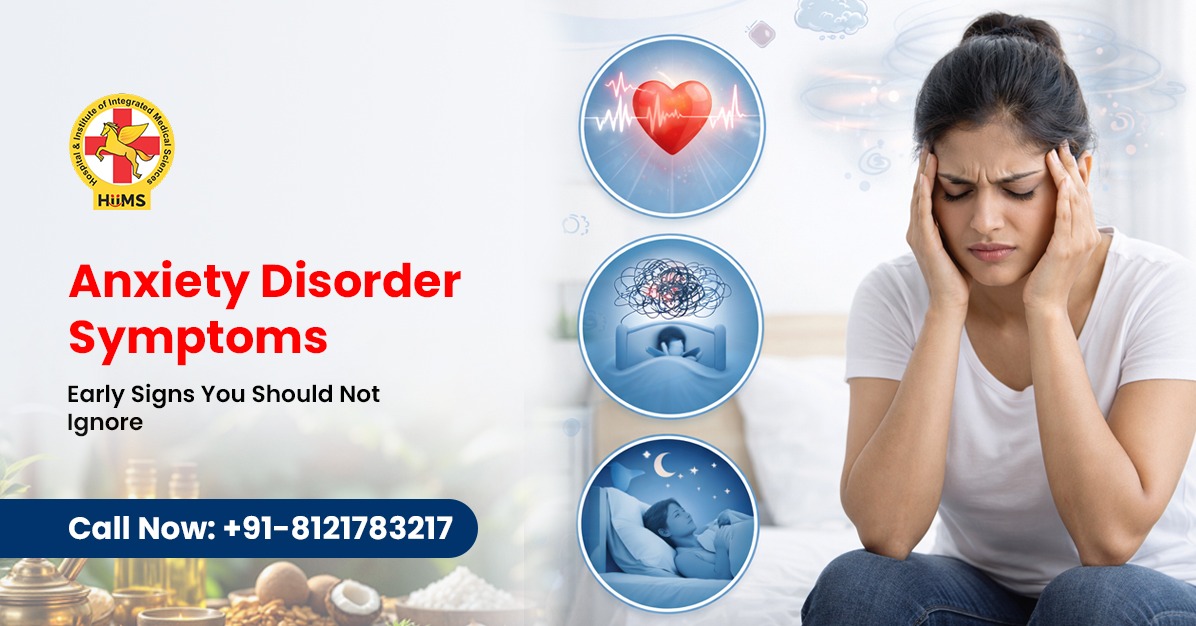
A little worry is normal in today’s routine life. Exams, job demands, family concerns, or health problems can make people anxious. But when fear and worry stay for a long time and start affecting daily life, it may not be just stress. It could be related to anxiety disorder symptoms. Many individuals do not take these early signs seriously and expect them to improve by themselves.
But understanding the problem early can help prevent serious health issues later.
An anxiety-related disorder is a common mental health condition that can affect people of any age. Students, working individuals, and older adults may experience it. At Jeena Sikho HiiMS Panchkula, we believe awareness helps in early healing. When people recognize the early signs of anxiety, they can act in time. This blog explains the early signs, common symptoms, causes, and easy ways to manage the problem in simple words.
What Is Anxiety Disorder?
Anxiety is a natural feeling. It helps us stay alert and careful in difficult situations. But when fear becomes too much and continues for weeks or months, it may turn into an anxiety-related disorder.
This condition can disturb sleep, appetite, focus, and even physical health. Many people do not recognise symptoms at the start. Many people may believe they are only being weak or thinking too much. Yet, this is a medical condition that needs timely attention and proper care. It can appear in several forms, such as:
Generalized Anxiety Disorder (GAD),
Panic Disorder,
Social Anxiety Disorder,
Phobias,
Each type has different patterns, but many of the common features are similar.
Early Signs of Anxiety You Should Notice
Understanding the early signs can help you take action before the condition becomes serious. Some common early signs include:
1. Constant Worry
If a person keeps worrying about small things every day, it may not be normal stress. This is one of the common symptoms that should not be ignored.
2. Restlessness
Feeling uneasy, unable to sit calmly, or always feeling on edge can be an early sign.
3. Trouble Sleeping
Difficulty in falling asleep or waking up many times at night is also among the common symptoms.
4. Difficulty in Concentration
It may become difficult for students to pay attention to their lessons. Working people may make small mistakes often. This can be one of the signs of anxiety disorder.
5. Irritability
Getting angry or upset very quickly without a strong reason can also point towards anxiety.
Recognizing these signs of anxiety can help in managing the problem before it grows.
Common Symptoms of Anxiety Disorder
As the condition progresses, the symptoms of anxiety disorder may become stronger. The condition can show both mental and physical signs.
Emotional Symptoms
Excessive fear
Feeling helpless
Negative thoughts
Fear of worst outcomes
These are clear symptoms that affect daily life and relationships.
Physical Symptoms
Many people do not know that anxiety also affects the body. Some physical anxiety disorder symptoms include:
Fast heartbeat
Sweating
Shaking hands
Shortness of breath
Chest tightness
Stomach problems
These signs may feel like a serious illness, but often they are linked to anxiety. If such signs appear regularly, medical advice should be taken.
What are the Causes of Anxiety-Related Disorders?
Understanding anxiety disorder causes can help in prevention and management. Different causes can be responsible for this condition. It usually happens due to a mix of factors:
1. Stressful Life Events
Loss of a loved one, exam pressure, financial problems, or job stress can trigger anxiety.
2. Family History
If someone in the family has anxiety-related issue, others may also have a higher risk.
3. Health Problems
People with ongoing diseases, hormonal changes, or thyroid problems can experience higher anxiety levels.
4. Substance Use
Excess use of caffeine, alcohol, or drugs can also lead to anxiety problems.
Knowing these causes of anxiety issues shows that anxiety is a health problem, not a weakness. It is a health condition that can be managed with the right support.
When Should You Seek Help?
Many people ignore anxiety disorder symptoms for months. But you should seek help if:
Worry is present almost every day
Anxiety affects your studies or work
You avoid social gatherings
You experience panic attacks
Physical anxiety symptoms disturb your routine
Persistent problems for several weeks need attention. Early consultation can reduces the future risks.
Anxiety Disorder Treatment at Jeena Sikho HiiMS Panchkula
At Jeena Sikho HiiMS Panchkula, we understand that mental health and physical health are connected. Proper anxiety disorder treatment depends on the condition and severity of the problem.
Treatment options may include:
1. Counselling and Therapy
Talking to a trained counsellor helps in understanding thoughts and fears. Therapy teaches simple ways to manage negative thinking and control stress. Along with counselling, Ayurvedic therapies like Shirodhara, Shiro Pichu, Shirovasti, and Abhyanga are also helpful in calming the mind. These therapies focus on relaxing the nervous system. Warm herbal oils are gently applied on the head or body to relieve stress, aid better sleep, and balance emotions. These therapies naturally support mental peace and assist in managing anxiety in a mild and soothing way.
2. Lifestyle Changes
Simple changes can make a big difference:
Regular exercise
Healthy diet
Proper sleep
Limiting caffeine
These steps work effectively to reduce the anxiety symptoms in a natural manner.
3. Breathing and Relaxation Techniques
Deep breathing, meditation, and yoga calm the mind and body. They are helpful in controlling anxiety disorder symptoms in daily life.
Early and proper treatment can improve quality of life and bring emotional balance.
Simple Tips to Manage Anxiety at Home
Alongside professional care, simple daily habits make a difference:
Talk about your feelings with family or friends
Maintain regularity in your daily tasks
Avoid overthinking small problems
Spend time in green spaces or nature
Practice thankfulness regularly
Small efforts like these can reduce stress and protect your mental health.
Conclusion
Anxiety happens to many people, but ignoring it can make everyday life more difficult. Noticing anxiety disorder symptoms early can help protect both mind and body. Ongoing worry, sleep disturbance, rapid heartbeat, and fear without clear reason should not be ignored. With proper guidance, healthy lifestyle changes, and timely treatment, recovery is possible.
At Jeena Sikho HiiMS Panchkula, we focus on overall well-being and support people in managing anxiety in a safe and natural way. If you or your loved one notice early signs, do not ignore them. Getting help on time can improve your life. Call +91 81217-83217 or email care@jeenasikho.com.
FAQs
1. Are panic attacks dangerous?
They may feel frightening, but with proper care and guidance, they can be managed.
2. Can this problem affect physical health?
Yes, it can bring on a fast heartbeat, excessive sweating, stomach upset, and problems with sleeping.
3. How long do such feelings usually last?
If the feelings stay almost every day for more than a few weeks, they need attention.
4. Are natural therapies helpful?
Under expert supervision, relaxation therapies may support mental peace.
5. Can lack of sleep make the condition worse?
Yes, poor sleep can increase worry and make a person feel more restless.