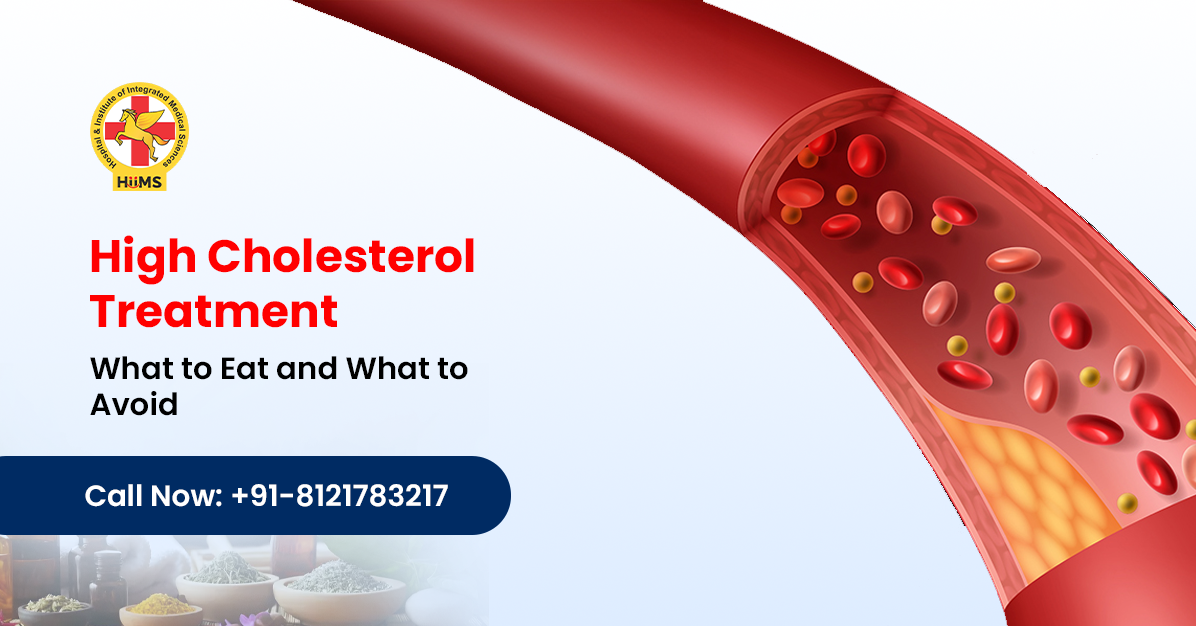
High cholesterol often appears unexpectedly. Many people feel healthy, remain active, and still notice raised values in their blood test reports. Cholesterol itself is not harmful. The body requires it for hormone production, cell repair, and normal daily functions. Trouble starts when poor eating habits, stress, irregular sleep, and limited physical movement slowly disturb this natural balance.
This is why high cholesterol treatment becomes necessary. Every day food choices strongly influence how cholesterol is managed in the body. What you eat daily affects how efficiently fats are digested and processed. Regular intake of fried, heavy, or processed foods weakens digestion and allows fat deposits to form in blood vessels.
At Jeena Sikho HiiMS Panchkula, cholesterol care focuses on disciplined eating, improving digestion, and gradual lifestyle correction. With clear guidance on foods to include and avoid, cholesterol can be controlled safely and steadily without fear or urgency.
What Is High Cholesterol and Its Causes
Before learning how to manage it, it is important to know what cholesterol is. Cholesterol is a fatty substance that circulates in the bloodstream. The body makes most of it, and the rest comes from food.
There are many causes of high cholesterol, and they usually develop over time. Common reasons include eating fried and packaged food, lack of physical activity, irregular meal timings, stress, poor sleep, smoking, and excess alcohol. Genetics and age are important factors in cholesterol risk.
Understanding the causes of high cholesterol helps people take early action. When digestion becomes weak, fats are not processed properly. This results in a slow build-up in blood vessels. These causes do not show pain early, which is why regular check-ups are important.
Signs That May Point to High Cholesterol
Most people do not notice clear warning signs. However, some high cholesterol symptoms may slowly appear. These include tiredness after small activity, heaviness after meals, shortness of breath while walking, poor stamina, or mild numbness in the hands and feet.
These signs are easy to ignore, but without timely action, they can increase gradually. Recognising high cholesterol symptoms early allows timely correction through diet and lifestyle changes.
When Should You Seek a Doctor for High Cholesterol
Many people ask when medical advice is needed. If cholesterol remains high despite lifestyle changes, or if there is a family history of heart problems, consultation is necessary. Those with diabetes, high blood pressure, or obesity should take extra care.
Seeking timely guidance helps avoid future complications. Proper monitoring ensures that high cholesterol treatment stays safe, balanced, and suitable for the individual.
What Does High Cholesterol Treatment Really Mean
High Cholesterol Treatment is not only about lowering the numbers on a report. Treatment focuses on better digestion, balanced fat metabolism, and healthier daily habits. In some cases, medicines are needed, but for many, diet and lifestyle correction is enough.
The aim of treating high cholesterol is steady improvement, not temporary solutions. Light, digestible meals, regular physical activity, stress balance, and proper sleep help maintain health over time. Learning how to control cholesterol naturally helps the body restore balance on its own.
Ayurvedic Insight into Cholesterol Levels
According to Ayurveda, cholesterol increases when digestion becomes weak, and fats are not processed properly by the body. It is seen as an indication of imbalance. The approach works on improving digestion, lightening the body, and removing internal obstructions.
High Cholesterol Management Approach at Jeena Sikho HiiMS Panchkula
At Jeena Sikho HiiMS Panchkula, cholesterol care follows a root-cause approach. The focus remains on food discipline, digestive strength, and lifestyle balance.
The centre is known for Cholesterol treatment in Panchkula that blends Ayurvedic wisdom with daily routine correction. Diet plans focus on fruits, vegetables, millets, fibre-rich foods, and light home meals. Herbs are suggested only after understanding individual needs.
This personalised approach to the treatment of high cholesterol allows patients to improve their cholesterol levels gradually, without pushing the body into sudden or extreme changes. Many individuals seeking cholesterol treatment in Panchkula choose this guided and natural form of care.
Helpful Ayurvedic Herbs for Cholesterol Support (With Proper Guidance)
Ayurvedic herbs are selected based on digestion, body type, and overall health to support natural cholesterol balance.
Commonly recommended herbs include:
Guggul supports the healthy fat metabolism and helps in managing the lipid levels.
Triphala, helps in improving the digestion and supports the natural detox processes.
Garlic, helps in maintain the healthy cholesterol levels and circulation.
Fenugreek supports the metabolism and digestive strength.
Turmeric aids the internal balance and overall wellness.
At Jeena Sikho HiiMS Panchkula, herbs are recommended only after a detailed evaluation, helping ensure safe, gradual, and personalised cholesterol management.
Diet Tips for Managing High Cholesterol Naturally
A simple, balanced diet helps improve digestion, reduce heaviness, and support long-term cholesterol management.
Dietary guidelines include:
Light, warm, and freshly prepared meals that are easy to digest.
Whole grains and traditional millets to support weight balance.
Fibre-rich vegetables such as spinach, cabbage, and broccoli.
Lentils, moong dal, and herbal teas for the digestive support.
Starting the day with warm water to promote the lightness in the body.
Avoiding deep-fried foods, heavy dairy, red meat, sugary items, excess salt, oily foods, and daytime sleeping.
By following disciplined food habits and avoiding heavy foods, patients can support digestion and maintain healthier cholesterol levels naturally.
Lifestyle Tips to Control High Cholesterol
Simple daily habits play a strong role in managing cholesterol levels and improving overall heart health.
Include freshly prepared, warm home-made food to support the digestive health.
Avoid fried, packaged, oily, and sugary foods that increase heaviness in the body.
Keep consistent meal schedules and skip late-night dinners.
Regular walking or gentle physical activity helps keep blood flow active.
Practices like Surya Namaskar, Kapalbhati, and Nadi Shodhan promote better blood circulation.
Practice deep breathing, meditation, and other relaxation methods to relieve stress.
Sleep well to allow your body to repair itself and stay in harmony.
Based on individual needs, Ayurvedic detox therapies like Panchakarma, Udwartana, or Hridya Basti may be advised under expert supervision.
Natural cholesterol care focuses on healthy eating, guided herbal support, and disciplined lifestyle practices.
Conclusion
Managing cholesterol does not need fear or stress. With proper food choices, a fixed daily routine, and small lifestyle changes, cholesterol levels can improve in a natural way. Understanding High Cholesterol Treatment helps people take control early and avoid complications later.
At Jeena Sikho HiiMS Panchkula, care focuses on digestion, balanced eating, and steady lifestyle correction. Learning how to control cholesterol patiently brings long-term benefits. When followed regularly, guided care helps keep cholesterol levels stable over time.
Visit Jeena Sikho HiiMS Panchkula today to start your guided heart and cholesterol care for a healthier tomorrow. Contact us at +918121783217 or email care@jeenasikho.com.
FAQs
Q1. What is high cholesterol?
High cholesterol occurs when fat levels in the blood rise beyond healthy limits.
Q2. Is cholesterol always harmful?
Cholesterol is needed by the body, but excess levels cause problems.
Q3. What are the common factors of high cholesterol?
Unhealthy diet, lack of exercise, stress, poor sleep, and family history.
Q4. Can high cholesterol show symptoms?
Most people do not feel symptoms in early stages.
Q5. How is high cholesterol detected?
It is detected through a blood test called a lipid profile.