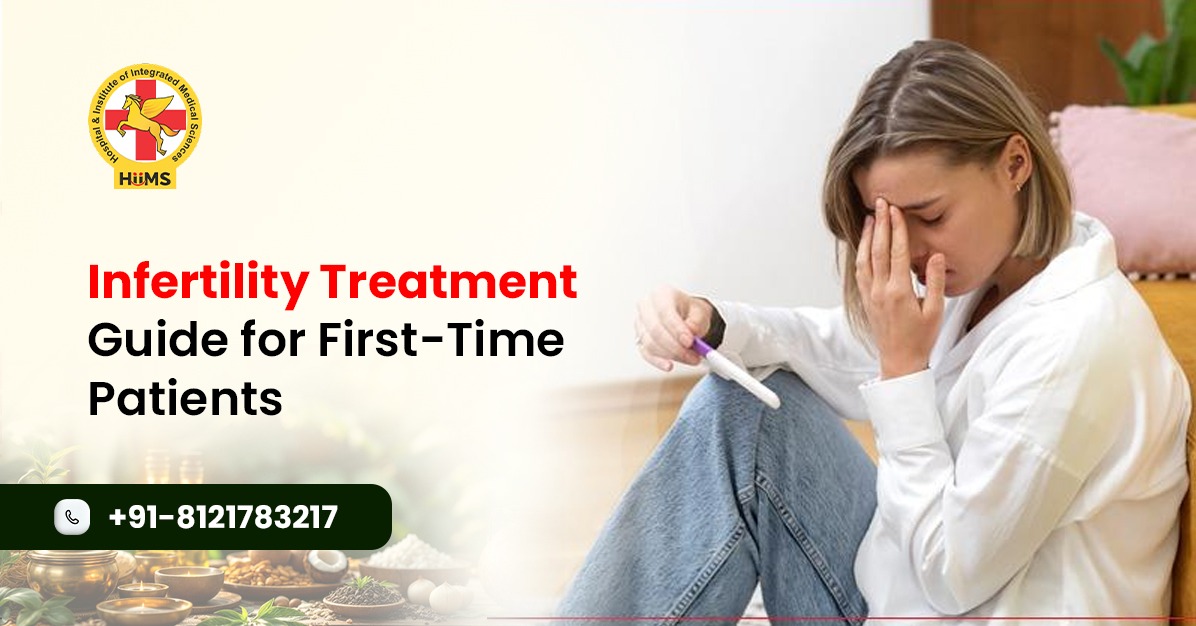
Starting infertility treatment for the first time can feel confusing and stressful. Many couples try for months, sometimes years, without getting clear answers. Infertility means difficulty in conceiving even after regular, unprotected marital life for a certain period. It does not mean something is permanently wrong. Often, it can be corrected with proper care.
For first-time patients, the first step is always proper evaluation. Doctors do not start treatment without knowing the cause. At Jeena Sikho HiiMS, we begin with a detailed consultation, medical history, and basic tests for both partners. Many couples are surprised to know that small changes in hormones, diet, or lifestyle can make a difference. Advanced treatments are needed only if simpler methods do not work.
Understanding Infertility Symptoms
Infertility symptoms can be subtle and sometimes ignored. Women may notice:
Irregular or missed periods
Very painful or very light periods
No ovulation or delayed cycles
Early pregnancy loss
Men may notice:
Low sperm count or weak sperm motility
Erectile or ejaculation problems
Fatigue or low energy
Past infections affecting reproductive organs
Sometimes these signs are missed, but they are important. Seeing a doctor early can make reproductive care easier.
Common Causes of Infertility
Knowing the causes of infertility helps in treatment. Some common reasons include:
Imbalance of hormones
Blocked fallopian tubes
Low or poor-quality sperm in men
Thyroid, diabetes and other lifestyle issues
Age-related fertility decline
Often, both partners contribute to the problem. Visiting an infertility specialist helps find the exact cause.
Male and Female Infertility Solutions
Male infertility treatment is designed to improve sperm count and hormonal health. Doctors may suggest lifestyle changes, medicines, or herbal supplements. Sometimes minor procedures or treatment of infections is needed.
Female infertility treatment deals with ovulation, hormone balance, and reproductive organ health. Medicines and diet changes may be advised. Panchakarma therapies like Vaman, Virechana, Basti, Nasya, and Uttar Basti help cleanse tissues and restore balance. Early treatment often avoids complicated procedures later.
Pregnancy Support Plan Without IVF
Every couple does not need IVF. The infertility treatment without IVF involves:
Ayurvedic and herbal support
Diet and lifestyle changes
Stress reduction, meditation, and yoga
Medicines for ovulation or sperm health
Panchakarma therapies to cleanse and rejuvenate
Doctors first understand the patient’s concerns and then plan the treatment. This allows safe and consistent improvement.
Ayurvedic and Panchakarma Approach for First-Time Patients
For first-time patients, the ayurvedic treatment always begins with a detailed consultation and understanding of body type, health history, and lifestyle. This helps in planning therapies gently and safely according to individual needs.
Panchakarma is a key Ayurvedic therapy used to support conception. The therapies support cleaning the reproductive organs, balancing hormones, and boosting overall energy. It includes detox procedures like Vaman, Virechana, Basti, Nasya, Raktamokshana, and Uttar Basti for women. Herbal formulations support the body to prepare for conception.
Herbs are an essential part. Shatavari strengthens the female reproductive system. Ashwagandha can reduce stress and also support reproductive health. Gokshura supports fertility in both men and women. Along with this, sattvic foods like millets, fruits, and warm meals are recommended. Simple yoga, breathing exercises, and meditation help keep the body calm and balanced.
At Jeena Sikho HiiMS Panchkula, Ayurvedic fertility care is done in stages for first-time patients:
Purification Phase (Beej Shuddhi): Detox of reproductive tissues
Preparation Phase (Garbh Shuddhi): Diet, hygiene, and wellness to prepare the womb
Conception Phase (Garbh Dharan): Natural conception encouraged by restoring balance
Pregnancy Care (Garbh Sanskar): Support for a healthy pregnancy and fetal development
Postnatal & Infant Care (Baal Sanskar): Care for mother and baby after delivery
This structured approach ensures gentle and effective care.
Lifestyle Changes That Improve Fertility Naturally
Along with treatments, lifestyle matters a lot. Healthy weight, avoiding stress, not using tobacco, cutting down alcohol, and eating right improve chances. Mild exercise, herbal support, and regular follow-ups help patients stay on track. Following this steadily increases the chances of conception.
Conclusion
First-time patients should know that fertility improvement program is not always complicated. Early detection of infertility symptoms, assessment of causes of infertility, and adherence to a structured treatment plan for both partners are crucial. Approaches may include medications, lifestyle modifications, ayurvedic infertility treatment, Panchakarma procedures, and herbal support.
At Jeena Sikho HiiMS Panchkula, couples receive stepwise guidance. Doctors monitor progress, adjust treatments, and provide counselling to reduce stress. Combining natural methods with medical supervision makes the process safe and supportive. Visiting an infertility specialist early can boost your chances of conception. Book a consultation today.
FAQs
Q1: When should I consult a doctor for infertility?
Consult a doctor if pregnancy does not happen after one year of trying. You may also visit the doctor in case of irregular periods or sperm issues.
Q2: Can infertility be treated naturally?
Doctors may manage infertility naturally through Ayurveda, herbs, and proper diet and lifestyle habits.
Q3: Does male infertility need separate treatment?
The male treatment plan aims to improve sperm count, hormones, and motility.
Q4: Do all couples need IVF treatment?
There is no such necessity. Couples prefer the treatment based on their situation. Most patients opt for natural and ayurvedic fertility management.
Q5: Is there any ayurvedic fertility hospital in Panchkula?
For fertility support in Panchkula, Jeena Sikho HiiMS provides experienced specialists and a balanced treatment approach.