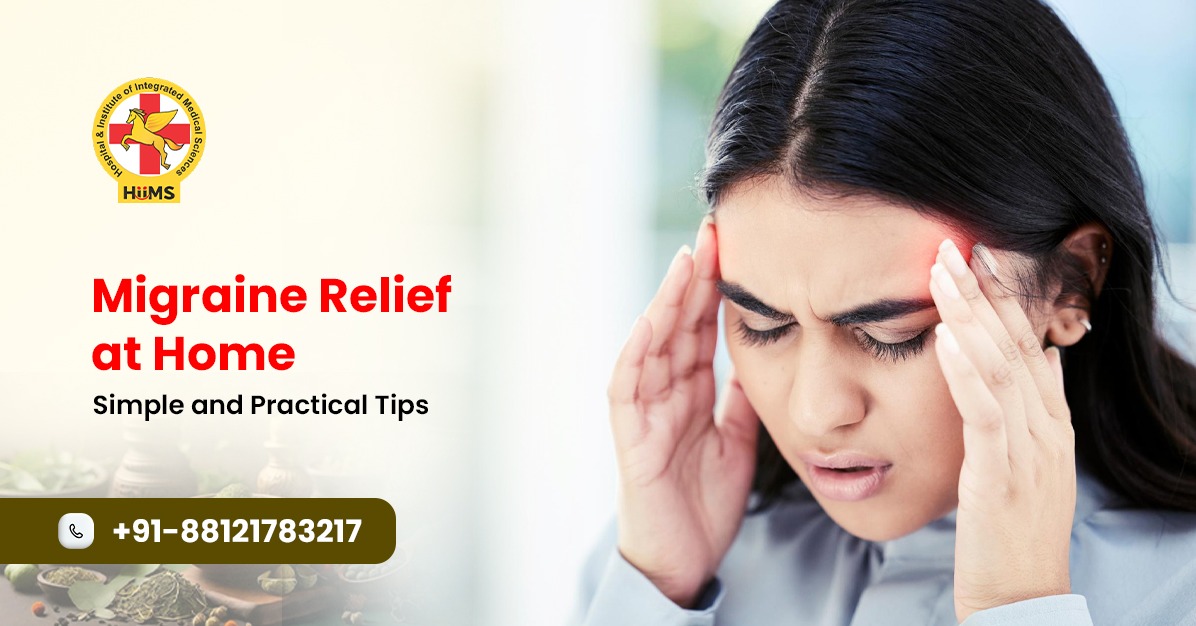
Migraine can interrupt a perfectly normal day without warning - meetings stop, screens blur, and even small sounds feel unbearable. One moment you are fine, then slowly the head starts feeling heavy, light becomes uncomfortable, and routine work feels difficult. Many people ignore early signs and continue working, which often makes it worse. Because of busy schedules and stress, migraine episodes are becoming common in adults and even younger individuals.
For this reason, many families now look for migraine relief at home before depending completely on medication. Home care does not mean avoiding medical advice. It simply means taking small, practical steps that help control triggers and reduce discomfort in mild cases. Often, small daily habits make a noticeable difference. In this article, we will discuss simple and practical tips, safe home-based methods, and when professional migraine treatment becomes necessary.
10 Practical Tips for Migraine Relief at Home
Below are practical steps that can help with migraine treatment at home when symptoms are mild or starting early.
1. Drink Water Slowly
Dehydration is a common trigger. Rather than drinking large amounts at once, sip water slowly. You may notice improvement within some time, especially if the episode began after long work hours.
2. Rest in a Quiet, Dark Room
Light and noise sensitivity are common in migraine. Switch off bright lights. Keep curtains closed. Lie down for 20-30 minutes. Even short rest sometimes helps settle the discomfort.
3. Apply a Cold Compress
Place a cold cloth or ice pack on the forehead or back of the neck. Do not apply ice directly to skin. This simple method often provides quick comfort when applied early.
4. Correct Your Sleep Routine
Irregular sleep can trigger migraine. It is better to sleep and wake up at the same time daily, even on weekends. Too much sleep can also act as a trigger for some individuals.
5. Eat Small, Timely Meals
Skipping meals is a common cause. Low blood sugar may lead to headache. Try eating light meals at regular intervals. Avoid very oily, processed, or excessively spicy food.
6. Gentle Neck and Shoulder Stretch
Long sitting hours increase muscle tension. Slow neck rotations and shoulder rolls release tightness. Do not do sudden movements. Keep it gentle and controlled.
7. Practice Deep Breathing
Sit comfortably and take slow breaths in through the nose, then gently breathe out through the mouth. Continue this for about five minutes. It helps the nerves settle down and keeps stress-related episodes more manageable.
8. Reduce Screen Exposure
Digital strain contributes to frequent headaches. Follow the 20-20-20 rule. After every 20 minutes of screen use, shift your focus to something about 20 feet away and hold it for 20 seconds. Adjust screen brightness to match room lighting.
9. Identify Food Triggers
Some people are sensitive to aged cheese, processed meats, chocolate, or excessive caffeine. You may notice patterns if you maintain a small diary. It is better to observe quietly rather than guess.
10. Try Mild Herbal Teas
Ginger tea or peppermint tea may provide comfort for some individuals. Keep it mild. Avoid very strong or concentrated forms. If you are unsure, consult a doctor before regular use.
Natural and Traditional Approaches
Many people prefer home remedies for migraine as part of a routine. However, remedies should be chosen carefully. Not everything suits everyone.
For those interested in natural migraine relief, Ayurveda suggests structured lifestyle correction. It focuses on balancing digestion, sleep, and stress. Under medical supervision, certain Panchakarma therapies are used in chronic cases:
Nasya
Virechana
Vamana
Raktamokshana
Basti
Shirodhara
These are not home procedures. They must be done only in a supervised clinical setting.
In Panchkula, many patients explore integrated care options. If someone is searching for migraine treatment in Panchkula, it is important to choose a hospital that evaluates overall health, not just symptoms.
When Home Care Is Not Enough
Home tips are helpful in early or mild stages. However, medical evaluation becomes important if migraine episodes are frequent, increasing in intensity, associated with blurred vision, repeated vomiting, or occur after a head injury.
Long-term self-treatment without proper assessment is not advisable. A structured diagnosis helps rule out other neurological conditions and ensures that treatment is planned carefully rather than relying on random medication.
Conclusion
Migraine does not settle with one shortcut method. It needs regular care - proper sleep, enough water, less stress, and simple daily discipline. Noticeable improvement is frequently observed after minor routine corrections are made. Sustained, modest efforts tend to be more effective than temporary, intensive adjustments.
If migraines continue despite following these tips, it is better to seek professional guidance. Jeena Sikho HiiMS offers detailed evaluation followed by individualised care planning tailored to each patient’s health profile. The approach emphasises comprehensive management instead of short-term symptom suppression. Individuals seeking structured and supervised migraine treatment in Panchkula may consider consulting the experienced specialists at Jeena Sikho HiiMS.
To schedule your consultation, connect with our team and take the next step toward better migraine management.
Address:
Plot No. 257-260, Amravati Enclave
Raipur, Panchkula, Haryana 134102
Phone Number: +91-8121783217
FAQs
1. Can migraine be controlled naturally?
Mild cases often show improvement following appropriate lifestyle adjustments and trigger identification.
2. How many migraine attacks per month are concerning?
Frequent monthly episodes should be evaluated by a doctor.
3. Is caffeine good or bad for migraine?
It varies; excess caffeine can trigger episodes in some people.
4. Are Panchakarma therapies safe?
They should only be done under trained medical supervision.
5. When should I seek hospital care for migraine?
Seek medical advice if symptoms become more intense or frequent.