If knee pain has started affecting your daily routine, you probably didn’t notice when it actually began. For many people, it’s not sudden. It builds slowly. One day it’s a slight discomfort while getting up; another day it’s stiffness after sitting too long. Then gradually, walking, climbing stairs, or even standing starts feeling different.
Most people ignore it in the beginning. Some take painkillers, some apply oils, and then move on. But the problem doesn’t really go away. It stays. And after a point, you realise you’ve started adjusting your life around that pain.
That’s usually when the search begins for something that doesn’t just give temporary relief but actually helps in managing it better. This is where ayurvedic treatment for knee pain is relevant.
Ayurvedic Treatment for Knee Pain
In Ayurveda, knee pain is not looked at as just a joint issue. It is usually connected with Vata imbalance. When Vata increases, it brings dryness into the body. In joints, that shows up as reduced lubrication, stiffness, and discomfort during movement.
You might notice it more in cold weather or after long sitting hours. That’s not random. It’s how the body responds when balance is disturbed.
Ayurvedic knee pain treatment doesn’t try to block pain instantly. Instead, it works gradually. Basically, the goal here is to increase mobility, restore joint mechanics and increase overall comfortable movement, slowly. It might take a little longer than a magic bullet fix but it's much more sustainable in the long run.
Treatment for Knee Pain Through Natural Therapies
When it comes to treatment for knee pain, therapies play a big role in Ayurveda. But these are not just surface-level massages like people often assume.
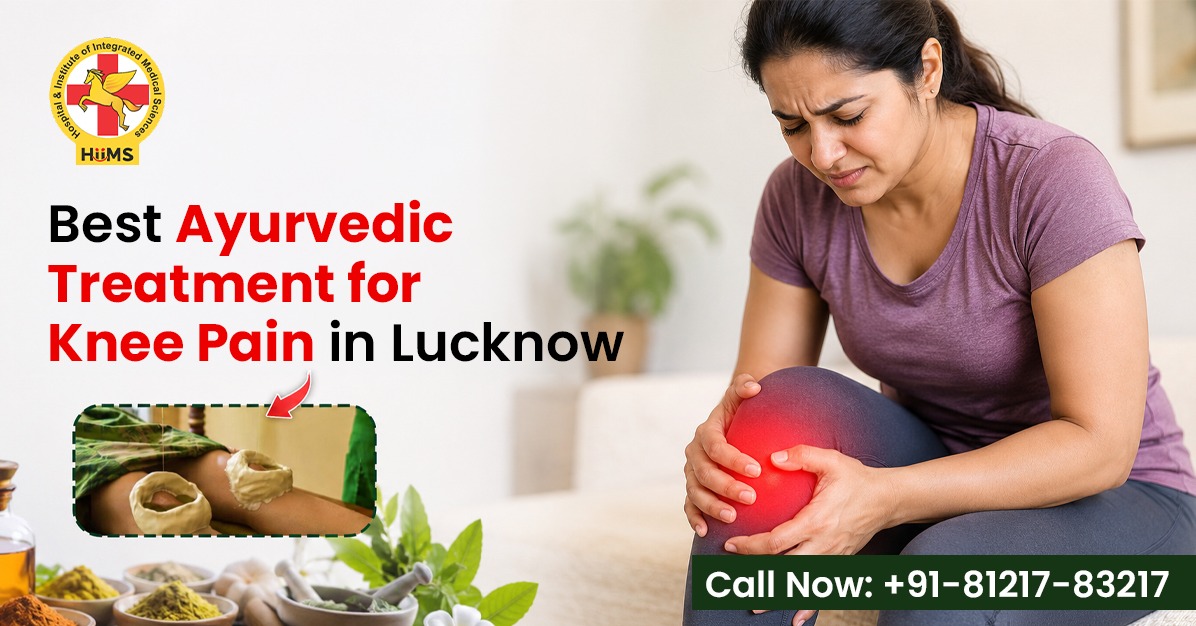
One of the commonly suggested therapies is Janu Basti. In this, warm medicated oil is held over the knee for a specific time. It may sound simple, but it helps in easing stiffness and improving movement when done properly.
Then there is Abhyanga. It’s a full-body oil massage, but the effect is not just on muscles. It supports circulation and reduces that tight, heavy feeling in the body.
In more persistent cases, Panchakarma therapies may be suggested. These are deeper processes aimed at clearing out what Ayurveda describes as accumulated toxins. Not something instant, but over time, people do notice changes in how their body feels.
Usually, these therapies are combined with basic routine changes. Without that, results don’t really hold.
Knee Pain Treatment in Lucknow with Ayurvedic Approach
Finding the right ayurvedic treatment for knee pain in lucknow is not always straightforward. There are many options, but not all follow a proper or consistent approach.
Ayurveda works best when the treatment is based on the individual. Knee pain is not the same for everyone. For some, it’s age-related. For others, it may be linked to weight, past injury, or even daily habits.
A proper setup looks at these factors first. Then the therapies are decided. Not the other way around. That difference matters more than people realise.
Knee Pain Treatment at Jeena Sikho HiiMS Hospital Lucknow
In Lucknow, Jeena Sikho HiiMS follows this kind of structured approach. Here, treatment is not limited to one therapy or a fixed plan. It usually includes a mix of Ayurveda, naturopathy, and guided routines depending on the person’s condition.
Therapies like Janu Basti, medicated oil applications, and supportive practices are used based on how the body responds. It’s not a setup that works for everyone.
Another thing is the focus on daily habits. Patients are guided on small changes in food, movement, and posture. Nothing extreme, but practical enough to follow. That combination tends to make the approach more manageable over time.
Why Ayurvedic Treatment for Knee Pain is Considered Different
One thing people often notice is that Ayurveda doesn’t rush the process. Instead of just targeting pain, it tries to understand why it keeps coming back. That includes looking at digestion, lifestyle, and overall balance in the body.
Because of these factors, results may not feel instant. But they don’t fade quickly either. For someone dealing with long-term knee pain, that difference can matter.
Conclusion
Knee pain may seem like a small issue in the beginning, but if left untreated, it can gradually affect your daily life and mobility. Choosing the right approach early can make a noticeable difference. For expert guidance, book a personalized Video Consultation (VOPD) and connect with experienced Ayurvedic doctors from the comfort of your home.

FAQs
1. What causes knee pain in our day-to-day lives?
Could be anything such as aging, overweight, injury or even prolonged sitting. As you age, your joints tend to become stiff and more painful to move.
2. Can Ayurvedic treatment ease long-term knee pain?
Following therapies and doing the exercises which are recommended gradually improves the function of joints and relieves stiffness.
3. How long does it take for Ayurvedic treatment to kick in?
That depends on every individual and actual circumstances, some people may notice feeling better rapidly, while some with long term health conditions will need more patience. Usually, persistence makes the difference.
4. Are therapies like Janu Basti safe?
When done by skilled surgeons, under their watchful eyes, it is safe. It is actually done with medicated oils, made as per individual.
5. Which lifestyle changes could help manage knee pain?
Staying active, having a healthy weight and limiting how much time you spend sitting down may be of help. A reminder it is usually best to make small changes to everyday life gradually rather than making a drastic change overnight!