In daily life, most people measure their well-being by following the daily routine easily, like morning energy, uninterrupted work and sleep that feels enough, so slow internal changes rarely indicate immediate concern.
Cholesterol levels generally shift because of repeated choices like rushed meals, frequent fried food, long sitting hours, and ongoing stress, and these patterns reshape metabolism over months without dramatic signs. When minor breathlessness, a sense of tiredness or a light heaviness in the chest are overlooked as fatigue, the link to blood lipids remains hidden and results show up only when a blood report is done.
This blog explains high cholesterol symptoms in simple terms, shows which early signals to watch for, and outlines practical steps you can take at home and with guidance. By the end you will know what small changes to notice and how early attention helps avoid bigger problems later. These signs need quick, planned action instead of panic.
Understanding Cholesterol in Simple Terms
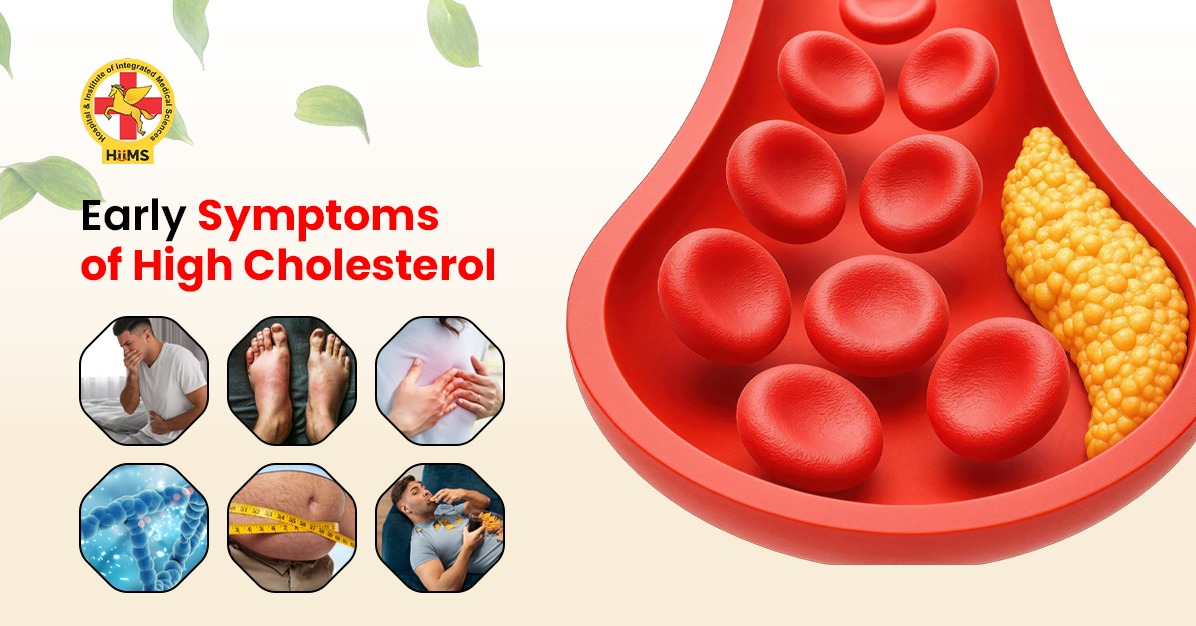
Cholesterol is a waxy, fat-like substance the body uses to repair cells and make certain hormones, with most produced internally and a smaller amount coming from food. There are two key types of cholesterol: LDL, which can build up fat in artery walls, and HDL, which helps clear it away. When LDL rises and HDL decreases, arteries slowly accumulate fat, and circulation becomes less efficient.
That mismatch between internal change and outward feeling is why cholesterol symptoms generally appear only a little later, and learning to notice cholesterol symptoms early helps initiate screening.
Why High Cholesterol Rarely Shows Clear Symptoms Early
The human body is subject to subtle adjustments, hiding small fluctuations in stamina or slight changes in sleep that people attribute to routine stress. Because these problems are unclear, they are often not linked to lipid changes until tests reveal the difference. Paying attention to repeating, mild complaints helps catch the symptoms of high cholesterol sooner, and noting small patterns makes taking timely steps easier.
Early High Cholesterol Symptoms You Should Not Ignore
These high cholesterol symptoms often begin quietly but repeat with time.
Unusual tiredness during normal activities: Feeling exhausted after routine tasks despite rest can mean tissues receive less oxygen and is worth checking.
Breathlessness during mild effort: Shortness of breath on climbing the stairs or during a short walk suggests early circulation tension.
Chest discomfort or heaviness: A feeling of pressure or heaviness during physical activity or stress differs from sharp pain and should require evaluation.
Numbness, coldness, or tingling in limbs: Intermittent numbness or persistent cold sensations in hands or feet sometimes reflect reduced peripheral flow.
Dizziness or frequent head heaviness: Light-headed episodes or a recurring sense of head pressure may indicate lower blood flow to the brain.
Visible changes on skin or eyes: Small yellowish patches near the eyelids or tiny deposits on the skin can appear when lipid handling changes.
Common Reasons Behind These Signs
Daily patterns affect the risk like eating fried and processed foods frequently increase lipid burden, long sitting reduces circulation, irregular meals upset digestion, and chronic stress or poor sleep disturb metabolism. These patterns raise the chance of cholesterol symptoms.
Who Is More Likely to Notice Symptoms Earlier
A family history of lipid problems, major weight gain, diabetes or thyroid imbalance raises the likelihood of earlier problems, and age-related metabolic slowdown also increases vulnerability. For these groups, routine awareness and monitoring are particularly valuable.
When to Consult a Cholesterol Doctor
If tiredness, breathlessness, recurring chest heaviness, persistent dizziness or visible skin changes recur, seek professional review. A cholesterol doctor assesses diet, daily routine and reports together to design a personalised plan that favours gradual correction and clear monitoring rather than immediate escalation. If you notice several high cholesterol symptoms together, ask for a focused lipid check.
Natural Approaches and Cholesterol Medicine
Lifestyle correction is the first line of natural treatment; consistent meal timing, fibre-rich foods, daily gentle movement and steady sleep improve metabolic balance.
Natural supportive options and selected cleansing protocols may be considered as part of a broader plan; these approaches are discussed openly with the patient before any cholesterol medicine is considered.
Conclusion
Spotting high cholesterol symptoms early turns a potential crisis into measured care, and steady lifestyle changes protect the heart more reliably than last-minute measures. Repeated minor issues; tiredness that does not resolve, breathlessness with everyday physical activity, general chest heaviness, or subtle skin changes deserve a check and targeted tests that look beyond a single number.
Communicating with a practitioner who reviews routine, digestion and habits helps create a tailored plan and reduces the need for urgent aggressive steps. Start with modest changes and monitoring, and reach out for personalised care when symptoms persist or reports change; early response builds lasting benefit. Early attention builds confidence and keeps treatment measured, progressive and sustainable.
For guidance, contact Jeena Sikho HiiMS at +918121783217or email care@jeenasikho.com.
FAQs
Q1: What are the most common high cholesterol symptoms?
Unexplained tiredness, mild breathlessness and chest heaviness are high cholesterol symptoms.
Q2: How do cholesterol symptoms usually begin?
Cholesterol symptoms often start as repeating mild fatigue or intermittent numbness.
Q3: When should I see a cholesterol doctor?
See a cholesterol doctor when symptoms persist or tests show change.
Q4: Can lifestyle changes reduce symptoms of high cholesterol?
Diet, movement and sleep improvements often reduce symptoms of high cholesterol.
Q5: Is natural cholesterol medicine effective?
Natural methods support balance, and a clinician decides on cholesterol medicine based on reports, symptoms, and overall routine rather than using it by default.