When you get your blood test results back, seeing all the numbers next to "cholesterol" can feel confusing. Most of us know that high cholesterol is something to watch out for, but not all cholesterol is bad for you. In fact, one specific type High-Density Lipoprotein, commonly known as HDL is something you actually want more of.
Think of HDL as the internal cleaning crew for your bloodstream. It travels through your arteries, picks up excess, loose cholesterol, and carries it back to your liver so it can be safely broken down and removed from your body. Because higher levels of HDL protect your blood vessels from clogging up, learning how to increase HDL cholesterol naturally is one of the most effective steps you can take for long-term heart health.
Why HDL Cholesterol Matters for Heart Health
Low-Density Lipoprotein (LDL), often called bad cholesterol. When you have too much LDL circulating in your blood it can stick to the inner walls of your arteries, forming hard patches called plaque. Over time plaque narrows your blood vessels and makes it harder for blood to flow smoothly.
HDL acts as a natural buffer against this process. It cleans arterial walls, reduces internal blood vessel inflammation and helps keep your circulation smooth and flexible.
When doctors check your lipid profile, they look for healthy target numbers. For men, an HDL level of 40 mg/dL or higher is considered healthy. For women, an HDL level of 50 mg/dL or higher is ideal. Optimal level for everyone is reaching 60 mg/dL or above provides the highest level of protective benefits for your cardiovascular system.
If your numbers are lower than ideal, don't worry. Knowing how to raise good cholesterol starts with small, simple changes to your daily kitchen habits and physical routine.
Best Foods to Increase HDL Cholesterol
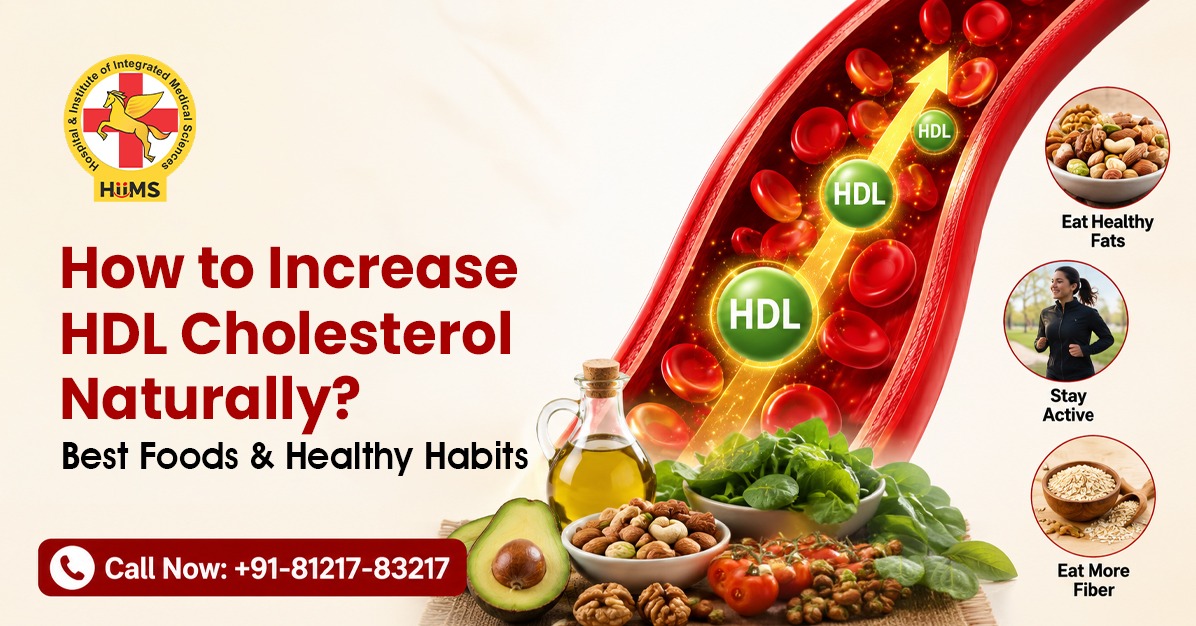
The food you put on your plate every day directly influences your blood chemistry. To boost your good cholesterol, you don't need restrictive diets; you simply need to choose nutrient dense, healthy fats and high fiber plant foods.
Healthy Plant-Based Fats
Replacing saturated and artificial trans fats with healthy unsaturated fats is one of the fastest ways to improve your lipid balance.
Extra Virgin Olive Oil: Packed with heart-healthy fats and antioxidants, olive oil helps raise HDL while lowering vascular inflammation. Use it in salad dressings or for low heat cooking
Avocados: Rich in heart healthy fats and soluble fibre. Avocados help keep your good cholesterol high while keeping bad cholesterol in check.
Nuts and Seeds: Walnuts, almonds, chia seeds and flaxseeds are exceptional HDL cholesterol foods; they are loaded with omega-3 fatty acids, plant sterols, and healthy fats that support clear arteries.
Soluble Fiber & Antioxidant-Rich Produce
Soluble fiber acts like a sponge in your digestive tract, binding to excess cholesterol and helping your body flush it out
Oats and Barley: Starting your morning with oatmeal gives your body a dose of beta-glucan a type of soluble fiber that supports healthy blood lipids
Legumes and Beans: Lentils, chickpeas, black beans, and kidney beans are rich in fibre and plant proteins that keep you full while protecting your heart.
Berries and Leafy Greens: Blueberries, strawberries, spinach and kale contain antioxidants that prevent cholesterol from oxidizing in your bloodstream
Eating these wholesome foods to increase HDL cholesterol gives your body the exact raw materials it needs to build a stronger cardiovascular system.
Daily Healthy Habits to Increase HDL
Combining nutritious food with daily physical habits creates a powerful effect that increases your good cholesterol levels.
Get Moving with Regular Aerobic Exercise
Physical activity is one of the single most effective triggers for raising HDL. When you exercise, your body produces specific enzymes that help transfer cholesterol from your blood vessels back to the liver.
Aim for at least 30 minutes of moderate aerobic exercise 5 days a week
Activities like brisk walking, cycling, swimming, jogging, or dancing work wonderfully.
Even short 10 minute movement breaks throughout your workday add up over time.
Limit Added Sugars and Refined Carbohydrates
While healthy fats boost HDL, refined sugars and processed carbs do the exact opposite. Eating too much white bread, bakery items, sugary drinks and packaged snacks spikes your blood sugar and lowers your HDL while raising harmful blood fats called triglycerides.
Maintain a Healthy Body Weight
Carrying extra weight, especially around the stomach area, is directly linked to lower HDL levels. Losing even 5% to 10% of excess body weight can significantly boost your good cholesterol and lower your overall cardiac workload.
Quit Smoking and Manage Stress
If you smoke, quitting provides almost immediate rewards for your heart. Within just a few weeks of stopping, your circulation improves, and your HDL numbers begin to rise. Additionally, managing chronic stress through adequate sleep and quiet relaxation helps keep stress hormones from disrupting your metabolic health.
Making these simple routines a part of your life proves to be the most reliable healthy habits to increase HDL over the long run.
Herbal Support for a Healthy Heart
Several traditional herbs have been used for centuries to support clean circulation and metabolic health
Arjuna: Renowned as a natural cardiotonic, Arjuna bark powder helps strengthen heart muscles and supports healthy blood vessel tone.
Guggul: This natural resin helps balance lipid levels, supporting healthy fat metabolism in the liver.
Garlic: Eating raw or lightly cooked garlic helps improve circulation, prevent blood vessel stiffness and support balanced cholesterol ratios.
Ayurvedic Support at Jeena Sikho HiiMS Hospital Lucknow
Jeena Sikho HiiMS Hospital Lucknow offers compassionate guidance and natural treatment plans to help individuals who want to increase HDL cholesterol.
At Jeena Sikho HiiMS, expert doctors evaluate your health from a root-cause perspective. By integrating pH balanced diet, Panchakarma detoxification, Yoga and Pranayama and herbal support, HiiMS provides a complete plan for restoring heart health.
Conclusion
Taking care of your heart doesn't require drastic or complicated measures. Understanding how to increase HDL cholesterol naturally simply comes down to eating heart healthy foods, staying physically active, managing stress and eliminating refined sugars and smoking.
If you are looking for natural heart care treatment you can take guidance from Jeena Sikho HiiMS experts. Whether you prefer visiting hospitals or consulting senior doctors online through a convenient VOPD (video consultation) from home, personalised medical guidance is always within reach. Take small, consistent steps today, and give your cardiovascular system the care and vitality it deserves.

FAQs
Q1. What is considered a healthy HDL cholesterol level for men and women?
An HDL level of 40 mg/dL or higher is recommended for men, while women should aim for 50 mg/dL or higher. Reaching 60 mg/dL or above provides optimal cardiovascular protection for everyone.
Q2. How fast can I increase HDL cholesterol through diet and exercise changes?
With consistent diet changes, weekly aerobic exercise, and weight management, most people begin to see positive improvements in their lipid profile within 6 to 8 weeks.
Q3. What are the most effective foods to increase HDL cholesterol in a daily diet?
Extra virgin olive oil, avocados, walnuts, almonds, flaxseeds, oats, beans, and fresh berries are among the best everyday foods for raising good cholesterol.
Q4. Can high-sugar diets lower my HDL levels even if I avoid bad fats?
Yes, eating high amounts of refined sugar and simple carbohydrates increases blood triglycerides and directly suppresses your HDL cholesterol levels, even if you don't eat fried or fatty foods.
Q5. Are there natural herbs that can support healthy HDL levels?
Arjuna, Guggul, and raw garlic are some herbs that help support metabolism, clear blood vessels and maintain balanced lipid ratio.