Sometimes the body keeps giving pain in small portions instead of creating one major problem all at once. A person may feel slight heaviness near the lower back for a few days, notice burning during urination once in a while, or suddenly feel thirsty more often than usual.
Since these changes do not immediately disturb daily life, most people continue their routine without paying serious attention to them. This is one reason the signs of kidney stones are often ignored during the starting stage. Many people connect these changes with tiredness, irregular meals, body strain, or digestion issues rather than kidney health.
After a few days, a person may start noticing repeated urinary irritation, pressure near the waist, or other body changes that do not feel normal. In the beginning, these kidney stone symptoms often feel small and easy to ignore, but noticing the early signs of kidney stones on time may help prevent stronger pain and other problems later.
In this blog, you will understand the common symptoms, causes, warning situations, and the importance of timely care in very simple language.
Understanding Kidney Stones
Kidney stones are hard deposits made from minerals and salts that collect inside the kidneys over time. Sometimes these stones remain very small and pass naturally through urine without creating major trouble. In some people, however, the stones become larger and start affecting the normal flow of urine. As the stones move through the urinary tract, they may create irritation, pressure, or pain in nearby areas.
Why Do Kidney Stones Develop?
Low water intake is considered one of the common reasons behind kidney stone formation because concentrated urine allows minerals to collect together more easily. Apart from dehydration, excessive salt intake, poor eating habits, obesity, family history, certain medical conditions, and holding urine for long periods may also increase the risk.
Early Signs of Kidney Stones You Should Not Ignore
Pain Near the Lower Back or Side
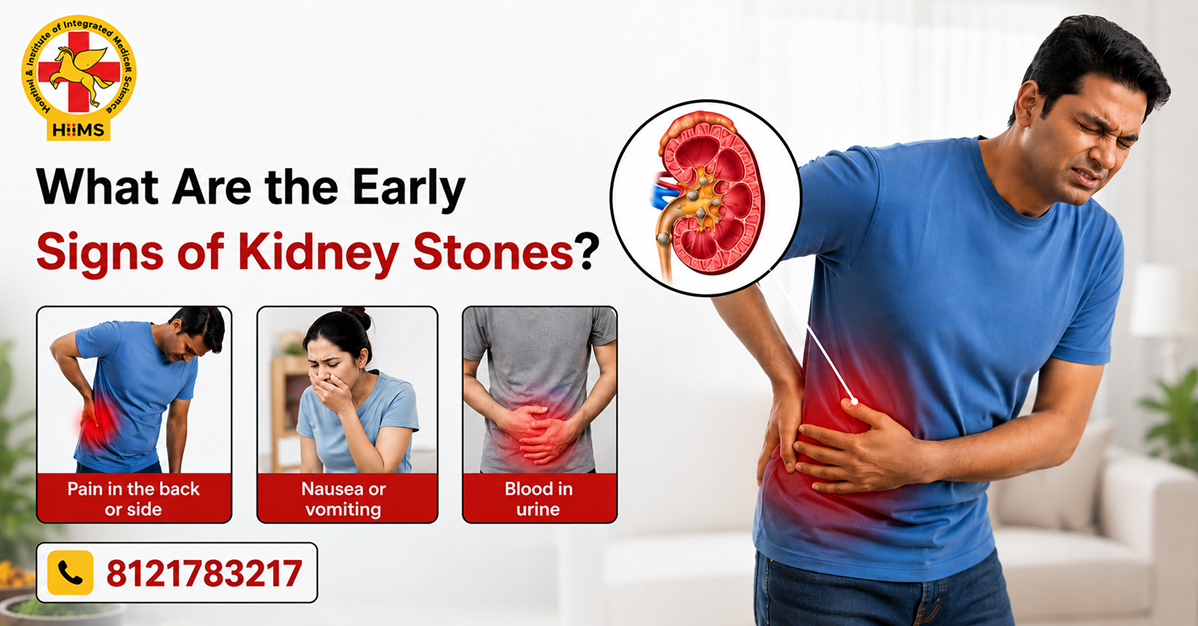
A dull ache near the lower back or side of the waist is among the common warning signs of kidney stones. In the beginning, the pain may feel similar to ordinary body strain or tiredness after work. The discomfort may return again after some time and can slowly move toward the lower abdomen or groin area. Many people feel that the pain increases for a while, settles down, and then starts again later during the day.
Burning Sensation While Passing Urine
Burning or irritation during urination can also point toward the early signs of kidney stones. As the stone moves through the urinary tract, it may create friction inside the passage, leading to discomfort while passing urine.
Frequent Need to Urinate
People dealing with kidney stones may suddenly feel the need to urinate more often than usual. Even after visiting the washroom, the urge may return again within a short time. This can happen when the stone shifts lower in the urinary tract and creates pressure near the bladder area. Among the different signs of kidney stones, this symptom often gets ignored because it feels temporary in the beginning.
Blood in the Urine
Urine may appear pink, light red, or brownish because of irritation caused by kidney stones. When stones rub against the urinary tract lining, slight bleeding may occur. This is one of the noticeable kidney stone symptoms that should not be ignored, even if the amount of blood appears very small.
Cloudy Urine or Strong Smell
Changes in urine appearance may also indicate a developing urinary problem. Some people notice cloudy urine, while others experience a stronger smell than usual. Concentrated urine, irritation, or infection related to stones may lead to these changes. Such symptoms are often noticed together with other warning signs of kidney stones.
Nausea and Vomiting
Kidney stone pain sometimes affects nearby nerves connected with the stomach area. Because of this, some people experience nausea, vomiting, or loss of appetite. At first, many fail to connect stomach discomfort with urinary problems, which is why the symptom often creates confusion.
Fever and Chills
Fever along with urinary discomfort should never be ignored. It may indicate infection connected with kidney stones and requires proper medical attention. If fever appears together with weakness, burning urination, or back pain, timely care becomes important. These are considered more serious early signs of kidney stones.
Difficulty Sitting Comfortably
Kidney stone pain often moves from one area to another instead of remaining fixed in one place. Some people keep changing positions because sitting or lying comfortably becomes difficult. The discomfort may suddenly increase for some time and then settle again, making the pain feel unpredictable.
Reduced Urine Flow
Sometimes the urine does not pass properly because the stone blocks part of the urinary passage. A person may feel like using the washroom again and again, but very little urine comes out each time. If this keeps happening for many days, the discomfort may slowly become worse.
Weakness and Dehydration
Continuous dehydration may increase pressure on the kidneys and support faster stone formation. Many people dealing with stones also complain about weakness, tiredness, or low energy throughout the day. Recognizing these signs of kidney stones early may help avoid worsening discomfort later.
When Should You See a Doctor?
Healthcare attention becomes important when pain becomes severe, blood appears repeatedly in urine, vomiting continues, fever develops, or urination becomes difficult.
Repeated kidney stone symptoms should not be ignored because delayed attention may increase the chances of infection and other complications. Seeking timely healthcare guidance may help manage the condition before it starts affecting daily activities more seriously.
Can Early Care Help Prevent Complications?
Paying attention to symptoms during the beginning stage may help reduce discomfort before the condition becomes more serious. Proper hydration, balanced eating habits, and timely medical guidance often support better kidney health.
Many people also choose supportive ayurvedic wellness approaches that focus on hydration, digestion balance, and disciplined lifestyle habits along with proper care. Understanding the warning signs of kidney stones early often helps people respond before daily activities become heavily affected.
Conclusion
Many people continue ignoring urinary discomfort or side pain until the condition starts interfering with everyday life. The body usually gives several small indications before the pain becomes severe, and understanding the signs of kidney stones at the right time may help prevent unnecessary complications later. Paying attention to hydration, eating habits, and unusual symptoms can support better kidney health over time.
If burning urination, blood in urine, or lower back discomfort continues repeatedly, timely healthcare guidance becomes important. You can also opt for an online video consultation (VOPD) for your health concerns with expert doctors at Jeena Sikho HiiMS Lucknow.

FAQs
Q1: What are the first signs of kidney stones?
Lower back discomfort, burning during urination, and repeated urge to pass urine are commonly noticed during the early stage.
Q2: Can dehydration increase the risk of kidney stones?
Low water intake may make urine more concentrated, which can increase mineral buildup inside the kidneys.
Q3: Why does urine color change during kidney stones?
Kidney stones may irritate the urinary tract lining and sometimes lead to pink, red, or brownish urine.
Q4: Does kidney stone pain stay in one place?
The pain may change from the lower back toward the abdomen or groin as the stone moves through the urinary tract.
Q5: When should someone seek medical attention for kidney stones?
Persistent pain, fever, blood in urine, vomiting, or difficulty passing urine should not be ignored.