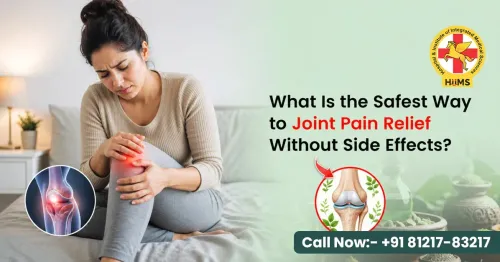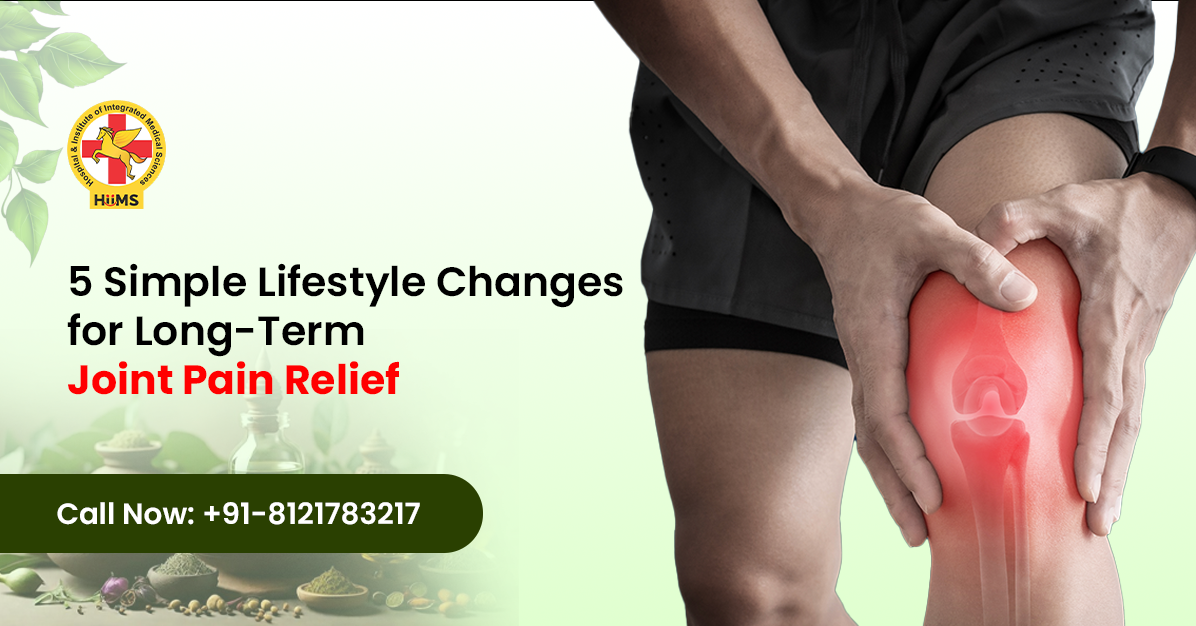
Joint pain is no longer a problem only for older people. Nowadays, even young adults suffer from knee pain, back stiffness, shoulder discomfort, and overall body weakness. Long sitting hours, bad posture, little physical activity, stress, and unhealthy food habits slowly affect joint health. Many people ignore early signs and depend only on painkillers, which give temporary relief but do not solve the root cause. If you are searching for natural and lasting joint pain relief, it is important to understand that healing starts with lifestyle changes. Small daily habits, when followed consistently, can reduce stiffness, improve movement, and support joint strength.
At Jeena Sikho HiiMS, doctors usually advise patients to follow healthy daily habits along with medical treatment for better long-term results. No matter whether you consult a joint pain doctor or a specialist, lifestyle correction always remains an important part of treatment. In this blog, we will talk about five simple changes that can help you deal with joint pain in a natural way.
Understanding Joint Pain
Joint pain means pain, stiffness, or discomfort in areas like the knees, shoulders, back, and neck. Because of this, normal movements can become difficult. Over time, it can start affecting daily life. Joint pain can happen due to poor posture, injury, arthritis, excess body weight, or weak bones. Lack of exercise and an unhealthy diet also increase the risk. Long-term stress on joints makes the problem worse. Common signs include morning stiffness, swelling, pain while walking, and limited movement. Some people notice cracking sounds or weakness in their joints. If these symptoms continue, it is better to seek medical advice.
5 Effective Lifestyle Tips for Long-Term Joint Comfort
Little changes in everyday habits can really help reduce joint pain and improve movement over time. When done regularly, they help the body heal on its own and protect joint health in the long run.
1. Stay Active with Gentle Exercises
Complete rest may feel good for a short time, but it makes joints weaker in the long run. Regular movement keeps joints flexible and improves blood flow. Activities like walking, light stretching, yoga, swimming, and cycling are good for joint health. Avoid sudden, intense workouts, and take guidance from a joint pain specialist when needed. At Jeena Sikho HiiMS, patients are advised to follow customized movement routines to improve recovery.
2. Follow a Joint-Friendly Diet
What you eat directly affects inflammation in your body. An unhealthy diet can increase inflammation and pain, whereas balanced nutrition supports recovery. Include fresh fruits, vegetables, turmeric, ginger, nuts, healthy oils, and enough water in your daily diet. Stay away from fried food, too much sugar, packaged snacks, and soft drinks. Eating right helps your joints and keeps you feeling active.
3. Maintain a Healthy Body Weight
Extra body weight puts pressure on the knees, hips, and spine, which can lead to faster joint damage. Even losing a little weight can reduce stress on the joints and improve movement. A joint pain doctor may suggest the right diet and lifestyle changes. Balanced eating and regular activity help maintain long-term joint health.
4. Improve Your Posture and Daily Habits
Wrong sitting and standing posture silently damages joints. Sitting for too long without breaks and bending wrongly can increase body strain. Try to sit straight with back support, keep your screen at eye level, take small breaks every hour, and avoid sudden bending. Good posture keeps your spine and joints safe.
5. Manage Stress and Get Proper Sleep
Too much stress tightens the muscles and makes pain worse, while lack of sleep slows down healing. Try to get 7–8 hours of good sleep every day. Practice deep breathing, light meditation, and go for calm walks whenever you can. Reducing mobile and screen use at night also helps improve sleep quality.
Joint Pain Therapies That Support Better Movement
For long-term joint comfort, proper therapies play an important role along with lifestyle changes. A joint pain doctor or joint pain specialist may suggest traditional treatments based on your pain location and condition. Therapies like Janu Basti help strengthen weak knees, while Kati Basti relaxes a tired lower back. Greeva Basti supports neck and shoulder mobility, and Pristha Basti works on full-back stiffness. For deep-seated pain, Agnikarma is often included in joint pain treatment plans. Methods like Janu Pichu, Janu Dhara, and Patra Potli Sweden also help reduce tightness and improve circulation. When these therapies are followed under expert guidance, they support smoother movement and long-term joint pain relief.
Conclusion
True relief comes with regular care, healthy habits, and the right medical guidance. Gentle exercise, balanced eating, weight management, good posture, and quality sleep slowly help improve joint health. If pain continues even after lifestyle changes, experts at Jeena Sikho HiiMS can help you understand the main cause and offer personal care. With proper support, many people get back to living comfortably. For gentle support, you may contact Jeena Sikho HiiMS at +91- 8121783217 or care@jeenasikho.com.
FAQs
1. Can lifestyle changes really help in joint pain relief?
Staying active, eating well, and getting enough rest slowly helps keep joints healthy.
2. When should I consult a joint pain doctor?
If pain continues for weeks, gets worse, or limits your daily activities, you should seek medical advice.
3. Is yoga good for joint pain?
When done gently and correctly, yoga helps improve strength, balance, and flexibility.
4. Can weight loss reduce joint pain?
Losing extra weight reduces pressure on joints, especially in the lower body.
5. Do I need lifelong treatment for joint pain?
Many people feel better with timely care and healthy lifestyle changes.