Anxiety is something many people go through, but honestly, not everyone understands what it really feels like. It’s not just overthinking or everyday stress. It can slowly start affecting your sleep, your focus, your energy, even your body. Some days you manage it fine, and then suddenly there are days when it just takes over everything.
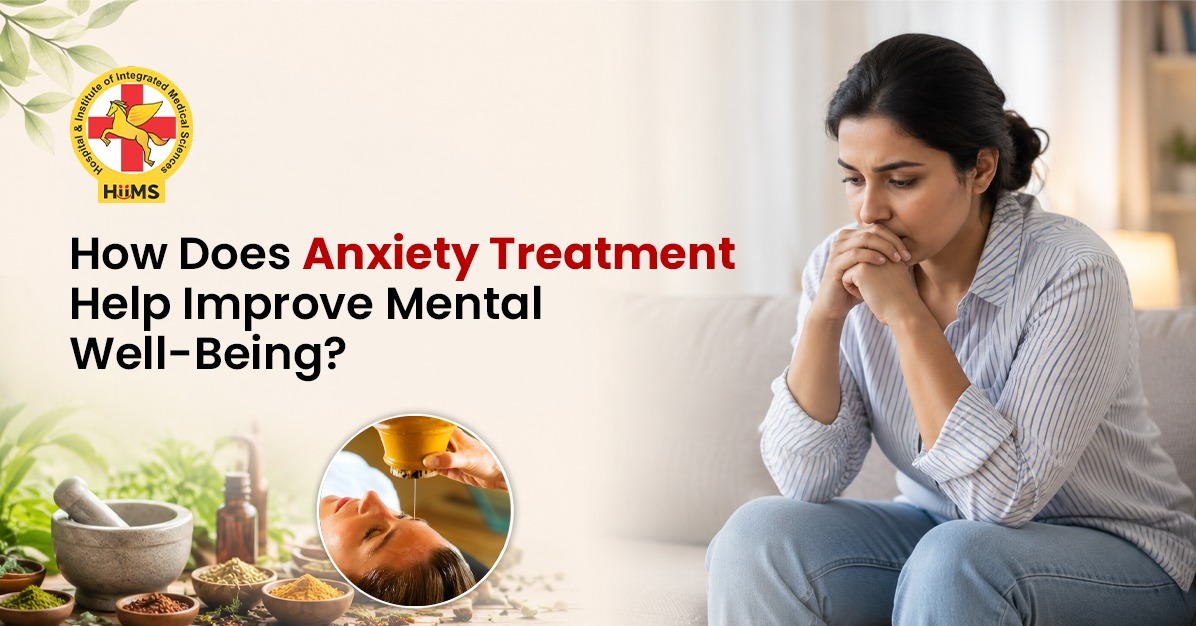
That’s usually the point where people start thinking about anxiety treatment. Not because they want a quick fix, but because they’re tired of feeling stuck in the same cycle again and again. Treatment is not really about stopping anxiety completely. It’s all about knowing yourself and managing yourself, without getting too stressed out each time you do.
The purpose of this blog is to explain everything in a simple manner. No big words or any kind of long, detailed explanations. Just how anxiety treatment works, why anxiety causes really are, and how small but effective changes can be made to enhance your mental state.
What Causes Anxiety?
Before talking about treatment, it helps to look at what’s behind it. Most of the time, anxiety doesn’t come from just one thing.
Constant stress or pressure: Ongoing mental load that keeps the mind active.
Things you have been through which are still with you: emotional memories which influence you currently.
Irregular life, less sleep: routines that do not help in stabilisation of mental process and stamina.
Thinking the same thing over and over again: a cyclic thinking pattern which increases anxious states and mental fatigue.
Sometimes you can’t even point to one exact reason. It’s just a mix of everything.
How Anxiety Treatment Actually Helps?
There isn’t just one method that works for everyone. It depends on the person. But there are a few common ways that treatment helps.
1. Understanding Your Thought Patterns
One of the symptoms of an anxiety attack includes the way your mind tends to replay thoughts again and again. This may include thinking about all negative possibilities or overanalysing everything. The therapy helps you distance yourself from such thoughts, making it easier for you to recognise them.
2. Calming the Physical Side of Anxiety
Even though anxiety is linked to mental issues, one has to remember that it can be experienced physically as well.
Increased heart rate: The heart will race.
Restlessness: Difficulty relaxing and sitting still.
Tightness in chest: a pressure in the chest.
Difficulty sleeping: insomnia.
Simple things like breathing techniques or relaxation practices may look small, but they actually help calm your system. That’s where anxiety attack treatment becomes useful: handling the moment when everything feels too intense.
3. Building Small Daily Habits
One mistake people make is looking for instant relief. But what really works is small, daily habits.
Stabilising your sleep pattern will ensure greater mental stability and more energy throughout the day.
Having a structure in your day will clear your mind and reduce unwanted stress on your mind.
Time out from thinking all the time is a great way to settle the mind down and avoid overloading.
Remove a trigger over time: this will bring down stress-inducing circumstances slowly.
They are not an instant change but they all count for more when they add up.
4. Getting the Right Guidance
There are times when handling everything alone just feels too much. Talking to someone who understands makes a difference. Not just to share what you feel, but to actually learn ways to manage it better.
A Natural Way to Support Anxiety Care
At places like Jeena Sikho HiiMS, anxiety care is usually looked at from a broader perspective. It’s not just about one solution. It can include simple lifestyle changes, calming techniques, and supportive practices that help you feel more stable over time. The focus is not on quick relief but on building something that actually lasts.
Conclusion
Anxiety treatment doesn’t mean you’ll never feel stressed again. That’s not realistic. But it does help you handle things differently. You start noticing your patterns, you respond better, and slowly, things don’t feel as heavy as they used to.
If anxiety has been affecting your daily life, even in small ways, understanding it is the first step. You don’t need to figure everything out at once. Just starting somewhere is enough. If you’re looking for guidance, you can explore both in-person and online (VOPD) consultation options to get the right direction based on your situation. Taking that first step, even a small one, can make a real difference over time.
FAQs
1. What is the best anxiety treatment?
Since each person approaches the management of anxiety differently, and it could include the therapy, lifestyle modification, and even medication.
2. Is it possible to recover from anxiety without any external influence?
It is possible if the anxiety is mild, but in other cases, there is a need for intervention.
3. Why does one suffer from anxiety?
The major reasons for anxiety attacks include stress, excessive thinking, past experiences, and unhealthy lifestyle practices.
4. How effective is anxiety attack treatment?
These treatments make it easier for patients to manage with symptoms such as rapid heartbeats, panicking, and breathing troubles.
5. Is an online consultation beneficial for anxiety?
As it enables patients to know about their problem and deal with it accordingly.